
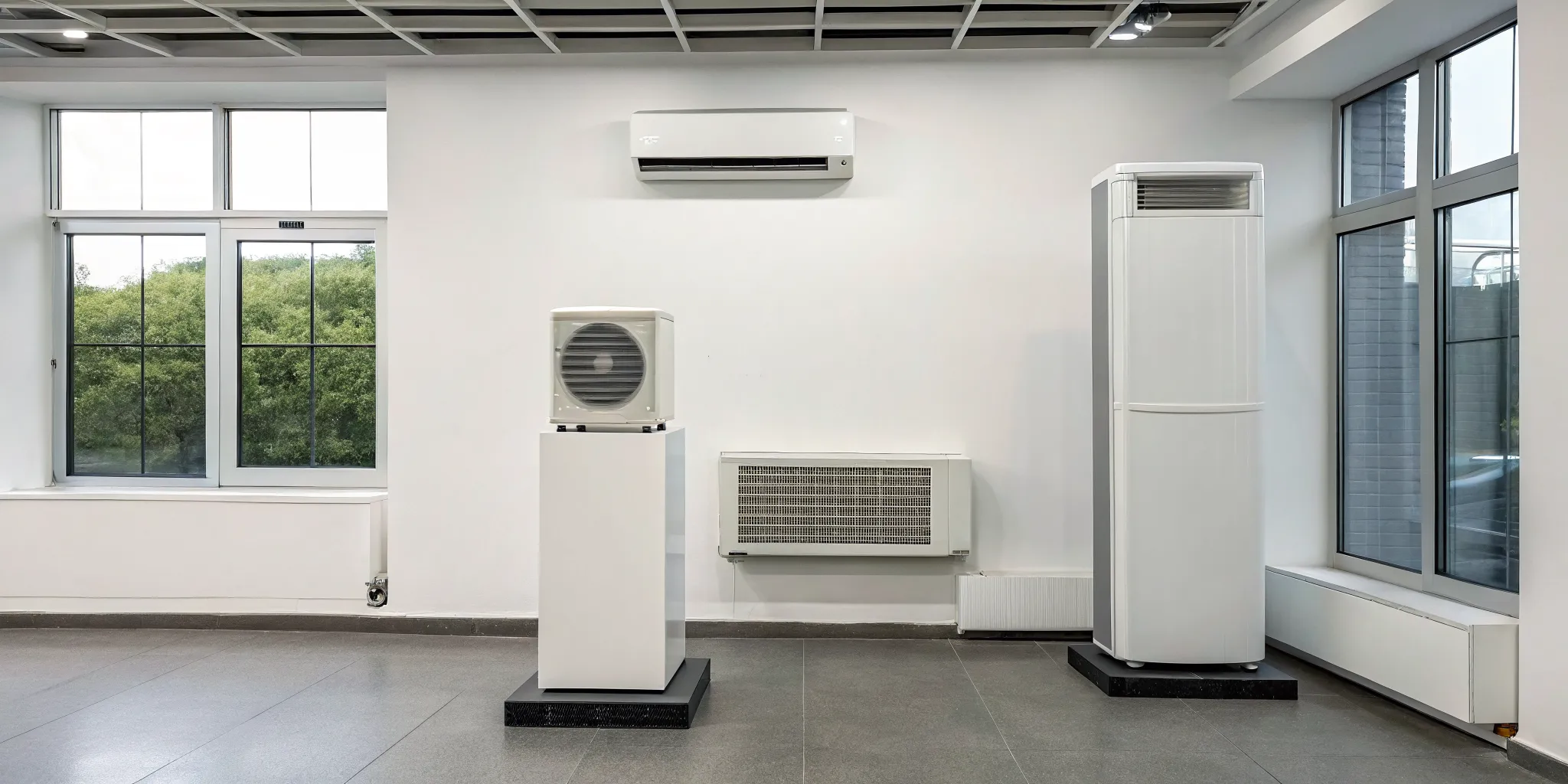
That moment when the summer electricity bill arrives can be a real gut punch, especially here in Northern California. You want to stay cool, but you don’t want to pay a fortune for it. The good news is that modern air conditioners have come a long way, and upgrading your system can drastically cut those costs. But with so many options, finding the best energy efficient air conditioner feels like a huge task. This guide is here to help. We’ll break down the confusing jargon, explain what ratings like SEER2 actually mean, and show you how to choose a system that keeps your home comfortable and your wallet happy.
Key Takeaways
- Think long-term value, not just upfront cost: A high-efficiency AC pays for itself over time with lower energy bills. You can also reduce the initial price by taking advantage of federal tax credits and local utility rebates.
- Prioritize variable-speed technology: A high SEER2 rating is a good start, but the real savings come from a variable-speed compressor. This technology provides consistent temperatures and better humidity control by using significantly less energy than older on-or-off systems.
- Insist on a proper installation and sizing: Even the best AC will underperform if it's the wrong size for your home or connected to leaky ducts. A professional installation that includes a detailed load calculation is critical to ensure your new system runs efficiently and saves you money.
What Makes an AC Energy Efficient?
When you're shopping for a new air conditioner, "energy efficient" is a term you'll see everywhere. But what does it actually mean? It’s not just a sticker on the box. True efficiency comes down to a few key factors: official performance ratings, third-party certifications, and the technology running inside the unit. Understanding these elements will help you choose a system that keeps your home comfortable without sending your electricity bill through the roof. Let's look at what makes the biggest difference.
SEER vs. SEER2: What's the Difference?
The main way to measure an AC's efficiency is its SEER, or Seasonal Energy Efficiency Ratio, rating. Recently, the Department of Energy updated this metric to SEER2, which provides a more accurate picture of how an air conditioner will perform in a real home. Think of it like this: SEER was the old test, and SEER2 is the new, tougher final exam that better reflects real-world conditions.
As of 2025, new standards require a minimum SEER2 rating between 13.4 and 14.3, depending on your region. The most efficient models can reach a SEER2 of 26 or higher. A higher number means greater efficiency, which translates directly to lower energy costs for you over the life of the unit.
Why ENERGY STAR Certification Matters
You’ve probably seen the blue ENERGY STAR sticker on appliances before. It’s a reliable indicator that a product meets strict energy efficiency guidelines set by the U.S. Environmental Protection Agency (EPA). But for those who want the best of the best, look for the "ENERGY STAR Most Efficient" label. This special designation is given only to the top-tier products in their category each year.
Choosing an ENERGY STAR certified AC is a simple way to ensure you’re getting a high-performing, money-saving unit without having to become an HVAC expert yourself. It’s a seal of approval that takes the guesswork out of finding an efficient model.
How Variable Speed and Inverter Tech Work
Older air conditioners work like a light switch: they’re either all the way on or all the way off. This constant starting and stopping uses a lot of energy. Modern, high-efficiency ACs use variable-speed compressors with inverter technology. Think of it like the gas pedal in your car. Instead of slamming on the brakes and then flooring it, this technology allows the AC to make small, continuous adjustments.
It runs at lower speeds for longer periods, maintaining a consistent temperature and saving an impressive 30-50% on energy compared to older models. This smarter approach to cooling is a key feature in our top-tier air conditioning installation options.
Central, Window, or Mini-Split: Which Is Most Energy Efficient?
When you're looking for a new air conditioner, energy efficiency is probably at the top of your list. A more efficient unit means lower energy bills and a smaller carbon footprint, which is a win-win. But with several types on the market, it can be tough to figure out which one is the real winner. The truth is, the most efficient AC for you depends on your home's layout and your cooling needs. Let's break down the three main players: central, window, and ductless mini-split systems.
Central Air Conditioners
Central air conditioners are the go-to for cooling your entire house. These systems provide consistent comfort by distributing cool air through a network of ducts. The most efficient models are incredibly effective, with some achieving a Seasonal Energy Efficiency Ratio (SEER) of 26 or higher. Many modern central ACs use variable-capacity compressors, which save a lot of energy by running at lower speeds when full power isn't needed. If you're looking for whole-home cooling solutions, a high-efficiency central system or a heat pump, which handles both heating and cooling, can lead to significant savings on your energy bills over time.
Window Air Conditioners
If you only need to cool a single room or a small space, a window AC unit can be a great choice. While they aren't designed for whole-home cooling, modern window units have come a long way in efficiency. Look for models with inverter technology, which can use about 40% less energy than older, non-inverter units. The best ones can reach a Combined Energy Efficiency Ratio (CEER) of 15 or more, offering quiet and effective cooling without a huge spike in your electricity bill. They are a cost-effective option for targeted cooling in bedrooms, home offices, or small apartments.
Ductless Mini-Split Systems
Often considered the champions of energy efficiency, ductless mini-split systems offer powerful cooling without the need for ductwork. This is a huge advantage, as traditional ducts can lose a lot of cool air through leaks. Mini-splits allow you to create different temperature "zones" in your home, so you only cool the rooms you're using. Many systems have impressive ratings that exceed 25 SEER2. Thanks to their variable-speed compressors, they can adjust their output precisely, saving 30% to 50% more energy than older, fixed-speed models. They are an excellent choice for both new constructions and homes without existing ductwork.
Our Top Picks for Energy-Efficient ACs
With so many options on the market, picking the right energy-efficient AC can feel like a huge task. To make it easier, we've put together a list of our top picks, covering the best central, mini-split, and even window units that stand out for their efficiency and performance. Remember, the perfect AC for you depends on your home's specific layout and needs, so this list is a great starting point for your research. Let's look at some of the leading models.
Carrier Infinity 26 (Central AC)
The Carrier Infinity 26 is a powerhouse when it comes to whole-home cooling. It boasts an incredible SEER2 rating of up to 26, placing it at the top of the class for efficiency. What makes this unit so special is its variable-speed operation. Instead of just blasting on and off, it adjusts its cooling output in tiny increments to precisely match your home's temperature needs. This results in more consistent comfort, better humidity control, and significant energy savings on your monthly bills. Think of it as the cruise control for your home’s climate. It’s a premium investment that pays off in both comfort and long-term value, making it a fantastic choice for our residential services clients.
Lennox SL28XCV (Central AC)
Another top contender in the central air category is the Lennox SL28XCV. Just like the Carrier model, it achieves a remarkable SEER2 rating of up to 26, making it one of the most efficient units you can buy. This system uses advanced technology to deliver optimal comfort while using the least amount of energy possible. For homeowners in the Central Valley and Sacramento, where summer heat can be intense, this level of efficiency can lead to substantial savings. Getting these results hinges on proper installation, which is why working with a trusted professional is so important for any new AC unit.
Mitsubishi Electric Hyper-Heat Series (Mini-Split)
If you're looking for a flexible solution, the Mitsubishi Electric Hyper-Heat Series is an excellent choice. These ductless mini-splits offer impressive cooling efficiency with SEER2 ratings up to 25. But what really sets them apart is their heating capability. The "Hyper-Heat" technology provides reliable and efficient warmth even in colder temperatures, making it a true year-round system. This makes it perfect for room additions, garages, or homes without existing ductwork. You can find more details on how these systems perform in various climates. It’s a versatile option for creating customized comfort zones throughout your home.
Daikin Mini-Split Series
Daikin is another leading name in the mini-split world, and for good reason. Their systems highlight one of the biggest advantages of going ductless: no energy loss from leaky ductwork. Central systems can lose a significant amount of cooled air through ducts, but mini-splits deliver it directly into the room. Daikin systems also excel at zoning, allowing you to set different temperatures for different rooms. This means you don't have to waste money cooling an empty guest room. It’s a smart, efficient approach to home comfort that gives you complete control and helps cut down on energy waste.
Midea U-Series (Window AC)
For those who need a window unit, the Midea U-Series is a game-changer. It features a clever U-shaped design that lets you close your window while the AC is installed. This not only creates a better seal to keep cool air in and hot air out but also dramatically reduces noise. The compressor sits outside your window, so you get the cooling power without the loud hum typical of other window units. It’s an innovative design that makes window air conditioning more efficient and much quieter. This model proves that you don't have to sacrifice peace and quiet for a cool room.
LG Dual Inverter (Window AC)
The LG Dual Inverter is another top-tier window unit known for its quiet performance and excellent efficiency. It operates at a hushed 44 decibels in sleep mode, which is about as quiet as a library. This is thanks to its dual inverter compressor, which constantly adjusts its speed to maintain the desired temperature without noisy on-and-off cycling. As an ENERGY STAR-certified model, it’s designed to keep your energy bills low. If you need to cool a single room and want a unit that won't disrupt your sleep or conversations, the LG Dual Inverter is one of the best options available.
Key Features of an Energy-Efficient AC
When you’re shopping for a new air conditioner, the SEER2 rating is a great starting point, but it doesn’t tell the whole story. Several key features work together to determine how efficiently a system will cool your home and how much you’ll actually save on your energy bills. Understanding these technologies will help you look past the marketing and choose a unit that delivers on its promises of comfort and savings. From the compressor that powers the system to the thermostat that controls it, each component plays a vital role. Let’s break down the most important features to look for.
Variable-Speed Compressors
Think of a traditional air conditioner’s compressor like a light switch: it’s either all the way on or all the way off. It blasts cold air until the room hits the target temperature, then shuts down completely. A variable-speed compressor, on the other hand, works more like a dimmer switch. It adjusts its speed up or down to precisely match your home’s cooling needs at any given moment. This allows the AC to run for longer periods at a much lower speed, which is far more efficient. This inverter technology not only saves a significant amount of energy but also provides more consistent temperatures and better humidity control.
Smart Thermostat Compatibility
A high-efficiency air conditioner is smart, but pairing it with a smart thermostat makes it a genius. These thermostats go beyond simple scheduling. They learn your family’s routines, sense when you’re home or away, and can even adjust based on local weather forecasts to optimize your cooling schedule. When you connect a smart thermostat to a modern AC, you gain precise control over your home’s climate from anywhere. This seamless integration can reduce your energy costs even further, giving you maximum comfort for minimal expense. It’s a small addition that makes a huge difference in managing your home’s heating and cooling.
Zoning Capability
Why pay to cool the entire house when you’re only using one or two rooms? That’s the question that zoning answers. A zoned system allows you to divide your home into different areas and control the temperature in each one independently. This is a fantastic feature for homes with multiple stories, rooms that get a lot of sun, or guest rooms that are rarely used. While central air systems can be modified for zoning, ductless mini-splits are the champions of this concept. Each indoor unit creates its own zone, completely eliminating the energy loss that can happen with leaky ductwork and giving you ultimate control over your comfort.
Refrigerant Type
The refrigerant is the lifeblood of your air conditioner, absorbing heat from inside your home and releasing it outside. For decades, the standard refrigerant was R-22, which was later found to be harmful to the ozone layer. Today, older refrigerants are being phased out, and modern, energy-efficient air conditioners use more environmentally friendly alternatives like R-410A, R-32, or R-454B. Choosing a system with a current-generation refrigerant is crucial. It not only means your AC has a smaller environmental footprint but also ensures you’ll have access to parts and service for years to come, as older refrigerants become scarce and expensive.
Noise Levels
An old, clunky air conditioner can be incredibly disruptive, with loud humming and jarring start-up sounds that can ruin a quiet evening at home. Thankfully, manufacturers have made huge strides in making their units whisper-quiet. The same features that make an AC efficient, like variable-speed compressors and advanced insulation, also help reduce its operating noise. Modern systems are measured in decibels (dB), and many of the best air conditioners run so quietly you’ll barely notice they’re on. This is a quality-of-life improvement that you’ll appreciate every single day, especially if the outdoor unit is located near a bedroom window or patio.
Does Your Climate Impact Your AC Choice?
Absolutely. The best air conditioner for a foggy coastal home in the Bay Area isn't necessarily the right fit for a house baking in the Sacramento summer sun. Your local climate is one of the most important factors in choosing an efficient and effective system. Thinking about your area’s specific weather patterns will help you find a unit that keeps you comfortable without sending your energy bills through the roof. For instance, the extreme heat in the Central Valley demands a powerful and highly efficient system, while milder areas might prioritize a unit with more flexibility.
For the varied temperatures we see across Northern California, a heat pump is often an excellent all-in-one solution. These systems are incredibly efficient at both cooling your home during a heatwave and providing warmth on chilly winter mornings. Instead of needing separate AC and furnace units, a single heat pump can handle it all, which can save you money and simplify your home's systems.
Another fantastic option, especially for homes without existing ductwork or with specific cooling challenges, is a ductless mini-split system. These units are champions of efficiency because they deliver cool air directly into a room, avoiding the energy loss that can happen with leaky ducts. They also allow for room-by-room temperature zoning, which is perfect if your upstairs gets much hotter than your downstairs or if you want to cool your home office without freezing the rest of the house. Ultimately, matching the system type to your climate and home layout is the key to long-term comfort and savings.
How Much Can You Really Save with a High-Efficiency AC?
Let's talk about the big question on everyone's mind: is a high-efficiency air conditioner really worth the higher price tag? It’s a fair question. When you see the initial cost, it’s easy to feel a little sticker shock. But it’s helpful to think of it less as a purchase and more as an investment in your home’s long-term comfort and your wallet. The savings are not just a possibility; they are a significant benefit that adds up quickly, especially with the warm weather we get here in the Bay Area and Central Valley.
Over the lifespan of your new AC, which can be 15 years or more, a high-efficiency model can save you thousands of dollars. We’re talking about real money that stays in your bank account instead of going to the utility company each month. The key is to look beyond the initial price and consider the total cost of ownership. A less expensive, lower-efficiency unit might seem like a deal at first, but it will cost you more every single month in higher energy bills. When you factor in those ongoing costs, the high-efficiency unit often comes out as the clear winner. Our team can help you explore all the residential services available to find the perfect fit for your home and budget.
Calculating Your Energy Bill Savings
So, what do these savings look like in actual numbers? While your exact savings will depend on your home, your habits, and local electricity rates, the data is pretty compelling. For example, upgrading from a standard 13.4 SEER2 unit to a high-efficiency 20 SEER2 system can save you between $500 and $1,000 per year. Over the 15-year life of the system, that could add up to more than $10,000 in savings.
If you’re replacing an even older unit, say one that’s 10 to 15 years old with a SEER rating of 10 or less, your savings will be even more dramatic. Think of it as getting a huge discount on your summer cooling costs, year after year.
Balancing Upfront Cost and Long-Term Value
The best way to understand the value of a high-efficiency AC is to look at its payback period. This is the time it takes for your energy savings to completely cover the extra cost of the more efficient unit. For most homeowners, a high-efficiency air conditioner pays for itself in about five to eight years. After that break-even point, all the money you save on energy is pure savings for the rest of the unit's life.
To get the most value, look for models that have earned the ENERGY STAR Most Efficient label, as these are the top performers in energy conservation. A qualified technician can give you a personalized estimate based on your home’s size, insulation, and your family’s cooling needs. If you’re ready to see what your potential savings could be, contact us for an honest recommendation.
Finding Rebates and Tax Credits for Your New AC
A new, high-efficiency air conditioner is a fantastic investment in your home's comfort and can lead to significant long-term savings on your energy bills. But let's be honest, the upfront cost can feel a little steep. The good news is you don't have to shoulder the entire expense on your own. Federal, state, and local programs offer a variety of rebates and tax credits designed to make energy-efficient upgrades more accessible for homeowners, helping you save money while also reducing strain on the power grid.
These incentives can shave hundreds, or even thousands, of dollars off the final price of your new system. The trick is knowing where to look and which programs you qualify for. It can feel like a lot to sort through, but understanding the main types of incentives is the first step. Some, like tax credits, reduce the amount of income tax you owe at the end of the year. Others, like rebates, provide an immediate discount or a check in the mail after your purchase. We can help you select a system that not only meets your cooling needs but also qualifies for these valuable programs. If you have questions about which incentives apply to your home in the Bay Area, Central Valley, or Sacramento, feel free to contact us for guidance. Our team stays current on these programs to make sure you get the maximum savings possible.
Federal Tax Credits
One of the most significant incentives comes directly from the federal government. The Energy Efficient Home Improvement Tax Credit gives homeowners a way to reduce their taxable income for installing qualifying high-efficiency equipment. You can claim a credit for 30% of the project cost, with the maximum amount depending on the type of equipment you install. For example, installing a qualifying heat pump could make you eligible for a credit of up to $2,000. These federal tax credits apply to specific systems that meet high energy-efficiency standards, so it’s important to choose the right model to ensure you can take advantage of the savings come tax time.
Local Utility Rebates
Beyond federal incentives, your local utility company is another great source for savings. Many providers across the Bay Area, Central Valley, and Sacramento offer rebates to customers who purchase and install energy-efficient appliances, including central air conditioners and heat pumps. These programs vary by provider, so it’s a good idea to check your utility’s website for current offers. Often, you can combine these rebates with federal tax credits, allowing you to stack your savings. We can help you identify which of our residential services and systems qualify for rebates from your specific utility provider, making the process much simpler.
California-Specific Incentives
Living in California gives you access to additional programs aimed at promoting a greener grid. The state is a leader in energy conservation and offers unique incentives to encourage homeowners to make eco-friendly upgrades. Initiatives like Energy Upgrade California provide homeowners with resources, tools, and financial incentives to improve their home’s energy efficiency. These state and regional programs can provide another layer of savings on top of utility rebates and federal credits. When you work with us, we’ll help you identify all available incentives to ensure you get the best possible value on your new air conditioning system.
How to Choose the Right Energy-Efficient AC
Picking the right energy-efficient air conditioner involves more than just comparing SEER2 ratings and brand names. The most important factors are how a system fits your specific home. A high-tech AC won't deliver on its promises if it’s not sized correctly or connected to leaky ducts. To make sure you get the comfort and savings you expect, let’s walk through the three most critical steps in the selection process.
Consider Your Ductwork
Think of your ductwork as the highway system for your home's conditioned air. If those highways are full of potholes (leaks) or are too narrow (undersized), your AC system can't work effectively. Even the most efficient air conditioner will struggle, forcing it to run longer and harder to cool your home. This wastes energy, drives up your utility bills, and can lead to uneven temperatures from room to room. Before you invest in a new unit, it’s a smart move to have a professional inspect your existing ducts. A well-sealed and properly sized duct system is essential for getting the performance you’re paying for from any new air conditioning installation.
Why the Right Size AC Matters
When it comes to air conditioners, bigger is definitely not better. An oversized AC will cool your home too quickly, shutting off before it has a chance to remove humidity from the air. This leads to that cold, clammy feeling and causes the system to cycle on and off frequently, which wastes energy and puts extra wear on its components. On the other hand, an undersized unit will run constantly without ever reaching the set temperature. A qualified technician will perform a "Manual J" load calculation to determine the perfect size for your home. This detailed analysis considers everything from your home's square footage and insulation levels to window types and local climate, ensuring your new AC is sized just right.
When to Call a Professional
Choosing and installing an energy-efficient AC is not a DIY project. Finding a trustworthy contractor is the single most important step you can take. A professional does more than just connect the unit; they are your partner in creating a complete home comfort system. They will perform the crucial sizing calculation, evaluate your ductwork, and ensure the unit is installed according to manufacturer specifications, which is often required to keep your warranty valid. An expert installation guarantees your system runs at peak efficiency from day one, giving you peace of mind and maximizing your long-term energy savings. If you’re ready to find the right fit for your home, the best first step is to schedule a consultation with an experienced team.
Frequently Asked Questions
What’s the most important rating to look for when shopping for a new AC? You should focus on the SEER2 rating. This is the newest and most accurate standard from the Department of Energy for measuring an air conditioner's efficiency. While you might still see the older SEER rating, SEER2 uses more realistic testing conditions that better reflect how a unit will perform in your actual home. A higher SEER2 number means greater efficiency and lower energy bills, so it's the best metric for comparing modern systems.
My house doesn't have ducts. What's my most efficient cooling option? This is a perfect situation for a ductless mini-split system. These systems are often more efficient than central air because they don't lose any cool air through leaky ductwork. They consist of an outdoor unit connected to one or more indoor units, allowing you to create different temperature zones in your home. This means you can cool just the rooms you're using, which saves a lot of energy and gives you precise comfort control.
How do I know if my current air conditioner is inefficient and needs replacing? There are a few clear signs. If your energy bills seem unusually high in the summer, your AC requires frequent repairs, or your home has hot and cold spots, your system is likely struggling. Another major indicator is age; if your unit is more than 10 to 15 years old, it's running on outdated, inefficient technology. A professional evaluation can give you a clear picture of its performance and help you decide if it's time for an upgrade.
Is a high-efficiency AC really worth the cost if I live in a place with milder summers? Yes, it's still a very smart investment. Even in more temperate climates, an efficient system saves you money whenever it runs. Many high-efficiency models, like heat pumps, are also excellent at providing warmth during cooler months, giving you a single, cost-effective system for year-round comfort. The consistent temperatures and superior humidity control also greatly improve your home's overall feel, a benefit you'll appreciate on any warm day.
Can I just buy a highly-rated AC and have a handyman install it to save money? This is one area where you definitely shouldn't cut corners. Proper installation is just as critical as the quality of the unit itself. A professional technician will perform a detailed load calculation to ensure the AC is the right size for your home, inspect your ductwork for leaks, and install the unit to the manufacturer's exact specifications. An improper installation can reduce efficiency, void your warranty, and lead to a much shorter lifespan for the system.
Comments