
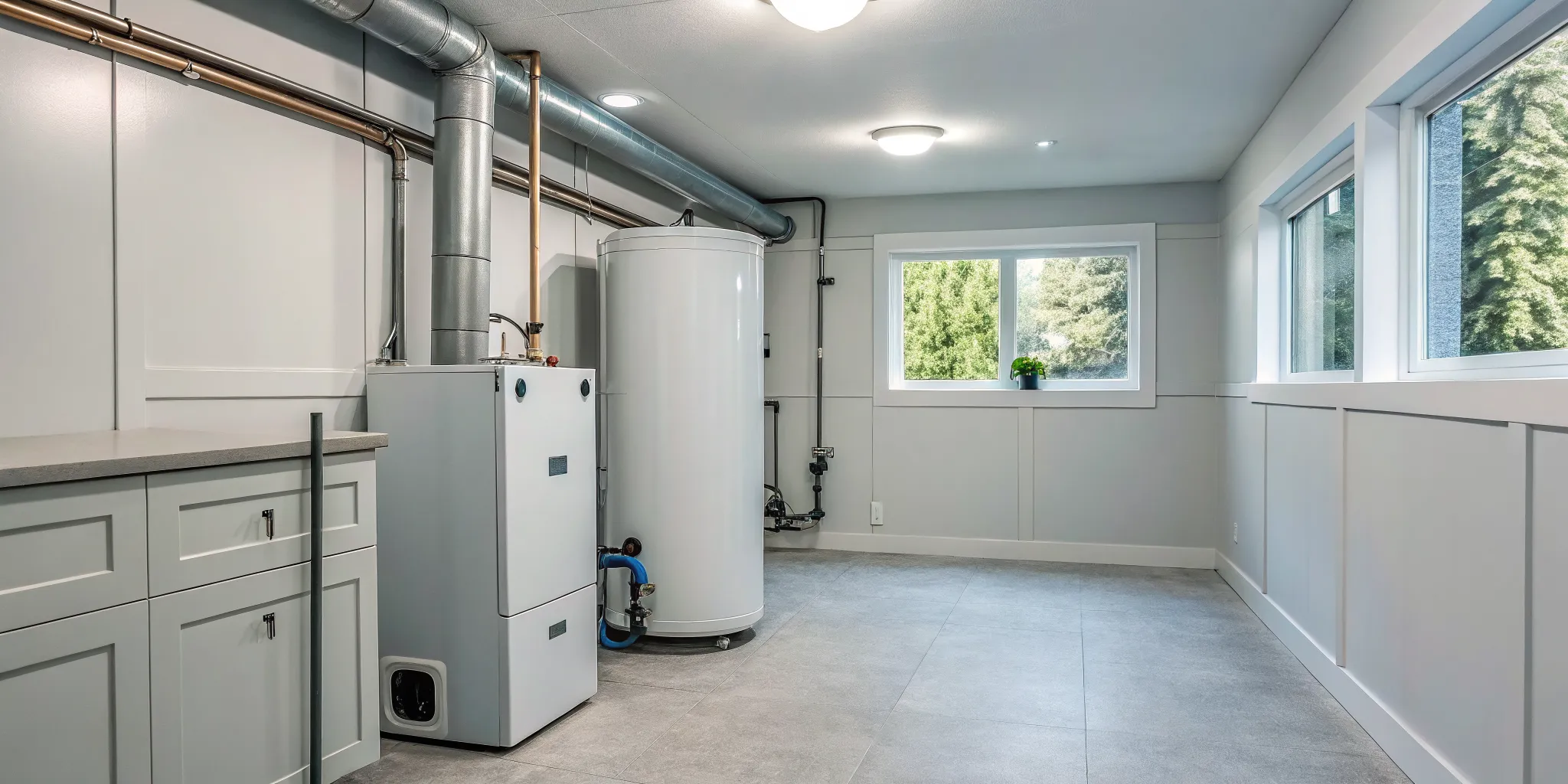
That sinking feeling when you open your winter energy bill is a familiar one for many homeowners. If you’ve noticed your heating costs climbing steadily year after year, it’s easy to blame rising energy prices. However, the real culprit might be sitting in your basement or closet. An aging furnace loses its efficiency over time, forcing it to work harder and burn more fuel to keep you warm. This leads to a tough decision: should you pay for another expensive repair or invest in a replacement? Understanding the key signs you need a new furnace can help you make a smart financial choice, preventing you from pouring money into a system that’s already on its way out.
Key Takeaways
- Know the signs of a failing furnace: Pay attention to clues like an age over 15 years, rising energy bills, and frequent repairs. These are your furnace's way of telling you it's time to start planning for a replacement.
- Prioritize simple maintenance: The easiest way to extend your furnace's life is through consistent care. Changing your air filters every one to three months, keeping vents clear, and scheduling an annual professional tune-up are the most effective ways to keep your system running efficiently.
- Make a smart replacement decision: When facing a costly fix, use the 50% rule; if a repair costs more than half of a new unit, replacement is the better long-term investment. A professional installation is also crucial for ensuring the efficiency and longevity of your new system.
How Long Does a Furnace Last?
Thinking about your furnace isn't something you do every day, but knowing its expected lifespan can save you from a lot of stress and unexpected costs. A furnace is one of your home's most important and expensive appliances, and like any hardworking machine, it won't last forever. The good news is that you can get a solid two decades of reliable service from a modern furnace, but that number isn't guaranteed. Several factors, from the type of unit you have to how well you care for it, play a huge role in its longevity. Understanding these factors helps you know when to repair a problem and when it’s time to start planning for a replacement.
What's the Average Furnace Lifespan?
On average, you can expect a furnace to last between 15 and 20 years. Think of this as the golden window for most residential systems. If your furnace was installed around the time the first iPhone came out, it’s likely nearing the end of its effective service life. While some high-end models might push past the 20-year mark with exceptional care, and some budget units might fall short, this 15-to-20-year range is a reliable benchmark. It’s the point where technology starts to become outdated, efficiency begins to drop, and the risk of a major breakdown increases. Knowing this timeline helps you budget and plan ahead, so you aren't caught by surprise on a cold winter night.
What Affects Your Furnace's Lifespan?
That 15-to-20-year lifespan isn't a given; it depends heavily on a few key things. First is the quality of the installation. A furnace that’s improperly sized or installed will struggle from day one, leading to inefficient operation and a shorter life. This is why professional installation is so critical. Second is maintenance. Just like your car needs regular oil changes, your furnace needs annual tune-ups. Consistent routine HVAC maintenance keeps your system running efficiently, prevents wear and tear, and catches small issues before they turn into costly repairs. Neglecting it is one of the fastest ways to shorten your furnace's life and potentially void your warranty.
When to Consider a Replacement
The most obvious sign it's time to think about a replacement is age. If your furnace is creeping up on 15 years, you should start planning, even if it seems to be working fine. Another major clue is your utility bill. Have you noticed your heating costs climbing year after year, even when the weather isn't any colder? That’s a sign your furnace is losing its efficiency and has to work much harder to heat your home. When you find yourself weighing the cost of another expensive repair against the age of your system, a replacement often becomes the more sensible financial choice. If you're unsure, we can provide an honest recommendation based on your system's condition.
8 Signs It's Time for a New Furnace
Knowing when to repair your furnace versus when to replace it can feel like a guessing game. While a quick fix might seem tempting, ignoring the warning signs of a failing system can lead to bigger headaches, higher costs, and even safety risks down the road. If you’re starting to wonder whether your furnace can make it through another winter, you’re in the right place. Let’s walk through the eight most common signs that your furnace is telling you it’s time for an upgrade. Paying attention to these clues can help you make a smart, proactive decision for your home or business.
1. It's Over 15 Years Old
Age is more than just a number when it comes to your furnace. Most gas furnaces have a lifespan of about 15 to 20 years. If yours is in that range, it’s living on borrowed time, even if it hasn't had a major breakdown yet. As furnaces age, their parts wear out, their efficiency drops, and the risk of failure increases. Think of it like an old car; you might be able to keep it running with constant repairs, but at a certain point, a new model becomes the more reliable and economical choice. An older unit is simply working harder to produce the same amount of heat, which means you’re paying more for less comfort.
2. Your Energy Bills Are on the Rise
Have you noticed your heating bills creeping up each winter, even when your thermostat setting stays the same? That’s a classic sign of a furnace losing its efficiency. Over time, wear and tear forces the system to run longer and burn more fuel to heat your space. According to the U.S. Department of Energy, heating accounts for a significant chunk of your utility bill, so an inefficient furnace can make a real dent in your budget. If you’re seeing a steady increase in your energy costs without any other explanation, your furnace is likely the culprit. Upgrading to a modern, high-efficiency model can lead to immediate savings.
3. Your Home Has Hot and Cold Spots
Your furnace’s main job is to distribute warm air evenly throughout your home. If you’re bundling up in the living room while another room feels like a sauna, your system isn't doing its job correctly. These hot and cold spots indicate that your furnace can no longer circulate air effectively. This could be due to its age, a problem with the motor, or an issue with its internal components. In some cases, the furnace might even start blowing cool air. This uneven heating is not just uncomfortable; it’s a clear signal that your furnace is struggling to keep up with your home’s demands.
4. You're Paying for Frequent Repairs
A repair call every few years is one thing, but if you and your HVAC technician are on a first-name basis, it’s time to reevaluate. Calling for one repair after another is a strong indicator that your furnace is nearing the end of its life. The costs of these service calls can add up quickly, and you may find yourself pouring money into a system that’s bound to fail completely. If you’re facing a particularly expensive repair, like a cracked heat exchanger, the cost might be half as much as a brand-new unit. Instead of continuing to patch up an old system, that money is often better invested in a full furnace replacement.
5. You Hear Strange Noises
Your furnace should operate quietly in the background. If it has started making strange noises, it’s crying out for help. Loud banging, popping, or booming sounds could indicate a problem with your burners, while rattling might point to loose panels or parts. A high-pitched squealing or whining noise often signals an issue with the blower motor or belt. Don’t dismiss these sounds as normal signs of aging. They are warnings that something is wrong internally, and ignoring them could lead to a complete system breakdown. If you hear any unusual noises, it’s best to have a professional from our residential services team take a look right away.
6. You Notice Odd Smells
Unusual odors coming from your vents are a major red flag that should never be ignored. While you might notice a faint burning smell the first time you turn on your furnace for the season as dust burns off, other odors are far more serious. A strong, pungent smell could mean you have a cracked heat exchanger, which can leak dangerous carbon monoxide into your home. If you ever smell rotten eggs, that’s a sign of a potential gas leak. In that case, you should leave your home immediately, call your gas company, and then contact a professional for an emergency heating system repair.
7. There's More Dust and Soot
Is your home dustier than usual? Does it feel dry or stuffy? An aging furnace can be to blame. As furnaces get older, they become less effective at filtering the air, leading to a decline in your home’s indoor air quality. You might notice an increase in dust, soot, or allergens circulating through your vents. This can aggravate allergies and respiratory issues for everyone in your household. A new furnace with a modern filtration system can not only heat your home more efficiently but also help keep your air cleaner and healthier. This is especially important for maintaining a comfortable environment in your home or for your employees in a commercial setting.
8. It Struggles to Turn On or Stay Running
A healthy furnace should turn on, run its heating cycle, and shut off without any issues. If you notice your furnace has trouble starting up, or if it turns on and off frequently without reaching the set temperature, something is wrong. This frequent cycling, known as "short cycling," puts excessive strain on the components and is a clear sign of a problem. It could be caused by a faulty thermostat, an overheating system, or incorrect sizing. Whatever the cause, a furnace that can’t run properly is unreliable and inefficient. If your system is constantly struggling, it’s time to contact us for an inspection.
What Noises and Smells Are a Red Flag?
Your furnace is one of those appliances you probably don’t think about until it stops working. But sometimes, it sends clear warning signs before it gives out completely. While a gentle hum during operation is perfectly normal, certain sounds and smells are your furnace’s way of crying for help. Ignoring them can lead to more expensive repairs down the line or, worse, create a serious safety hazard for your family. Think of your furnace like a car; you wouldn't ignore a clanking engine or the smell of burning oil, and the same principle applies here.
Paying attention to what you hear and smell can tell you a lot about your furnace's health and when it’s time to call in a professional. These sensory clues are often the earliest indicators of a failing component, an electrical problem, or even a dangerous leak. For instance, a new rattling sound might just be a loose screw, but it could also be a sign of a failing blower motor. A faint burning smell could be dust burning off at the start of the season, but a persistent, acrid odor points to something more serious. Understanding the difference is key to keeping your home safe and warm. If your system is acting up in any way, it’s always better to be safe and have it inspected by a qualified technician. Our team provides comprehensive residential services to diagnose and fix these exact issues.
Bangs, Rattles, and Clanks
If your furnace sounds like it’s preparing for a drum solo, it’s time to listen up. Loud bangs, persistent rattles, or high-pitched screeching are not normal operating noises. A loud bang when the furnace kicks on could signal delayed ignition, where gas has built up before lighting. Rattling might mean a loose panel or that parts inside the blower assembly are coming undone. A screeching or squealing sound often points to a problem with the motor bearings or a worn-out belt. These aren't just annoyances; they are signs of mechanical problems that need immediate attention. Continuing to run a furnace making these noises can cause a complete system failure. If you hear any of these sounds, it’s best to schedule a heating system repair before the problem gets worse.
Burning Smells or Gas Odors
Your sense of smell is a powerful tool for detecting furnace problems. If you notice a strong burning odor, especially one that smells like plastic or melting wires, it could indicate an electrical issue or an overheating motor. In this case, you should turn off the furnace at the circuit breaker and call for service right away to prevent a potential fire. Even more urgent is the smell of rotten eggs. Natural gas is odorless, so utility companies add a substance to give it that distinct smell. If you smell rotten eggs, you could have a gas leak. Leave your home immediately with all people and pets, and call your gas company from a safe distance. Do not use your phone, flip any switches, or do anything that could create a spark.
Warning Signs of a Carbon Monoxide Leak
Carbon monoxide (CO) is known as the "silent killer" because it's a colorless, odorless gas that can be fatal. Since you can't smell it, you must rely on other warning signs. The most important safety measure is having working carbon monoxide detectors on every level of your home, especially near sleeping areas. If your CO detector ever goes off, evacuate your home immediately and call 911 or the fire department. A malfunctioning furnace with a cracked heat exchanger is a common source of CO leaks. While you won't smell the CO itself, you might notice other signs of a faulty furnace, like soot streaks around the unit or excess moisture on windows. Don't take chances with CO; regular furnace maintenance is key to catching potential issues early.
Repair or Replace Your Furnace?
Deciding whether to fix a failing furnace or invest in a new one can feel overwhelming. You want to make a smart financial choice without sacrificing your family’s comfort, especially during a cold snap. While every situation is unique, a few key guidelines can help you determine the best path forward. By looking at the cost of repairs, potential energy savings, and the overall condition of your unit, you can make a confident decision for your home and budget.
What Is the 50% Rule?
A helpful guideline for this decision is the 50% rule. It’s a simple cost-benefit analysis: if a repair is going to cost more than half the price of a brand-new furnace, it’s usually more cost-effective to replace the unit. Pouring a significant amount of money into an aging system often leads to more repairs down the road. Instead of facing one expensive fix after another, that money is better invested in a reliable, modern system that comes with a new warranty. This rule helps you avoid a financial sinkhole and puts your investment toward long-term comfort and peace of mind.
Calculate Your Potential Energy Savings
If your heating bills are creeping up every year, your old furnace is likely the culprit. As furnaces age, they lose their efficiency and have to work harder and burn more fuel to produce the same amount of heat. A new, high-efficiency furnace can significantly lower your monthly gas bill and reduce your home's environmental impact. While it's an upfront investment, the long-term savings can be substantial. If you suspect your unit is losing efficiency, it's a good idea to have a professional inspect your system and discuss what a new furnace could save you.
When a New Furnace Is the Smarter Choice
Sometimes, the decision is clear. If your furnace is over 15 years old, it’s already operating on borrowed time, as most last between 15 and 20 years. At this age, even if a repair seems minor, it’s often the first of many. Other definite signs include a furnace that blows cool air or can’t keep your home at the set temperature. You should also look for visible signs of deterioration, like rust or cracks on the unit itself. These issues indicate that the system is failing and a replacement is the safest and most practical choice for your residential services needs.
How to Choose the Right Replacement Furnace
Picking a new furnace is a big decision, but it doesn’t have to be overwhelming. It’s about more than just brand names; it’s about finding a system that perfectly matches your home and your budget. A furnace that's the right size, has the right efficiency rating, and is installed by a professional will keep you comfortable for years while keeping your energy bills in check. Getting these three factors right is the key to making a smart, long-term investment in your home’s comfort. Let's walk through what you need to know to make the best choice for your home or business.
Why Furnace Size Matters
It’s a common myth that a bigger furnace will heat your home better. In reality, a furnace that’s too large is just as problematic as one that’s too small. An oversized unit will heat your space too quickly and shut off, a process called short cycling. This constant starting and stopping creates uncomfortable temperature swings, puts extra wear and tear on components, and wastes energy. On the other hand, an undersized furnace will run constantly without ever reaching your desired temperature. A professional technician determines the perfect size by performing a load calculation, which considers your home’s square footage, insulation, window type, and local climate to ensure your new system is just right for your residential services.
Decode Energy Efficiency Ratings (AFUE)
When you shop for a new furnace, you'll see an AFUE rating on every model. AFUE stands for Annual Fuel Utilization Efficiency, and it tells you how much of the fuel your furnace consumes is actually converted into heat. For example, a furnace with a 95% AFUE rating turns 95 cents of every dollar you spend on fuel into warmth. The remaining 5% is lost through the chimney. While high-efficiency models with ratings of 90% or more may cost more upfront, they can significantly lower your monthly energy bills. Since a gas furnace often starts losing efficiency after the 15-year mark, upgrading to a modern, high-AFUE model is a smart way to invest in your home's comfort for the long term.
The Importance of Professional Installation
You can buy the most advanced, energy-efficient furnace on the market, but it won't perform well without proper installation. A poor installation job can lead to a whole host of problems, including reduced efficiency, frequent breakdowns, and even safety risks. It can also shorten the system's lifespan and void the manufacturer's warranty. Working with a licensed and experienced team ensures every component is connected correctly, the system is calibrated for optimal performance, and all safety checks are completed. This quality workmanship is the final, crucial step to guaranteeing your new furnace runs safely and efficiently for years. If you’re ready to discuss your options, contact us for an honest recommendation.
Common Furnace Myths That Cost You Money
When it comes to heating your home, there's a lot of advice floating around. Unfortunately, some of the most common tips are actually myths that can lead to higher energy bills, unnecessary strain on your system, and even premature furnace failure. Let's clear the air and debunk a few of the most persistent furnace myths so you can keep your home comfortable and your wallet happy.
Myth: A Bigger Furnace Is Always Better
It seems logical, right? A more powerful furnace should heat your home faster and more effectively. In reality, a furnace that’s too large for your space is just as problematic as one that’s too small. An oversized unit will heat the space too quickly, leading to short, frequent cycles. This constant starting and stopping wastes energy, causes excessive wear and tear on components, and creates uncomfortable temperature swings. Getting the size right is a science. A professional technician will perform a detailed calculation to ensure your new furnace is perfectly matched to your home’s needs, giving you consistent warmth and optimal efficiency.
Myth: Closing Vents in Unused Rooms Saves Energy
This is one of the most common and damaging myths out there. Your furnace and ductwork are designed as a balanced system, created to handle a specific airflow volume. When you close vents, you disrupt that balance. It’s like pinching a garden hose; the pressure builds up inside the ducts, which can lead to leaks, strain your furnace’s blower motor, and even cause the heat exchanger to overheat and crack. Instead of saving money, you could be forcing your system to work harder and setting yourself up for an expensive repair. If you want to control temperatures in different areas, a zoning system is a much safer and more effective solution.
Myth: Maintenance Is Only for Broken Systems
Waiting until your furnace breaks down to call for service is a reactive approach that almost always costs more in the long run. Think of it like your car; you wouldn't skip oil changes and wait for the engine to seize. Professional HVAC maintenance is preventative care for one of your home’s most important investments. During a tune-up, a technician cleans, inspects, and adjusts critical components, catching small issues like frayed wires or a struggling motor before they turn into a complete system failure on the coldest night of the year. An annual check-up keeps your furnace running safely and efficiently, extending its lifespan and preventing costly emergency calls.
Myth: All Furnaces Have the Same Lifespan
It’s easy to assume that every furnace is built to last for a set number of years, but that’s simply not true. While most modern furnaces have an average lifespan of 15 to 20 years, several factors can shorten or extend that timeline. The quality of the original installation, the brand and model of the unit, your local climate, and how often you use it all play a role. However, the single biggest factor you can control is maintenance. A furnace that receives an annual professional tune-up and regular filter changes will consistently outperform and outlast one that is neglected, saving you from the cost of a premature replacement.
How to Get More Life Out of Your Furnace
A new furnace is a big investment, so you want it to last. Thankfully, extending its lifespan is easier than you might think. With a few simple habits, you can keep your system running efficiently for years, saving money on energy bills and delaying a costly replacement. Here are the three most important things you can do.
Change Your Air Filters Regularly
This is the easiest and most impactful thing you can do for your furnace. Regularly changing your filters is a simple yet crucial step in maintaining your HVAC system's efficiency and improving your home's air quality. When a filter gets clogged with dust and debris, it forces your furnace to work harder to pull air through. This extra strain can lead to overheating and unnecessary wear. A clean filter allows for smooth airflow, helping your system operate efficiently and reducing breakdown risks. Check your filter monthly and plan to replace it every one to three months.
Keep Vents and Registers Clear
Your furnace needs to breathe. Blocked vents disrupt the airflow your system was designed for, creating pressure imbalances that strain the motor. Make sure furniture, rugs, and curtains aren't covering your supply or return air vents. A properly sized system is designed to run in balanced intervals, which supports comfort and efficiency. When airflow is restricted, your furnace has to run longer to heat your home, wasting energy and accelerating wear. Take a quick walk through your home and ensure every vent has plenty of space to do its job.
Schedule an Annual Professional Tune-Up
While changing filters and clearing vents are great DIY tasks, some jobs are best left to the experts. Scheduling an annual tune-up is the best way to ensure your furnace is safe and running at its best. During an inspection, a technician will clean internal components, check electrical connections, and test safety controls. Regular HVAC maintenance helps identify minor problems that could lead to costly home heating repair down the line. Think of it as a preventative check-up that catches small issues before they become major headaches, ultimately keeping your system reliable and extending its life.
Ready for a Furnace Upgrade? We're Here to Help
If you've been dealing with a furnace that just can't seem to keep up, you're probably wondering if it's time for a change. Deciding between another repair and a full replacement can be tough, but certain signs make the choice a lot clearer. First, consider the age of your furnace. Most systems have a lifespan of about 15 to 20 years. If yours is in that range, it’s likely approaching the end of its reliable service life. You might also notice you're paying for more frequent and costly repairs. As one Trane guide points out, this is one of the most obvious signs that your furnace is on its way out. Instead of pouring more money into an aging unit, investing in a new one is often the more economical choice.
Is your home not as cozy as it used to be? If you're dealing with cold spots or rooms that never seem to get warm, your furnace is struggling to distribute heat evenly. An unexplained spike in your energy bills is another major red flag. This usually means your system is working much harder to produce the same amount of heat, losing efficiency and costing you money. Our team can help you find a new, energy-efficient model that provides consistent warmth and lowers your monthly costs.
Finally, pay attention to any unusual smells. A strong odor of burning plastic or gas is a serious safety concern that requires immediate action. If you notice anything like this, turn off your furnace and call a professional right away. Recognizing these signs can be stressful, but you don't have to figure it out alone. If your furnace is showing its age, our team offers honest recommendations for heating system repair and installation. We're here to help you assess your options and find the right solution to keep your home safe and comfortable.
Related Articles
- When to Replace Your Furnace: Warning Signs and Tips
- How Long Does a Furnace Last?
- When to Replace a Furnace
- Routine HVAC Maintenance
- Commercial Heating Services
Frequently Asked Questions
My furnace is about 15 years old but seems to work fine. Do I really need to replace it? That's a great question, and it's smart to think ahead. Even if your furnace seems to be running without issues, a system that's 15 years or older is operating on borrowed time. Its internal parts are worn, its efficiency has likely dropped (costing you more on utility bills), and the risk of a sudden breakdown on a cold night increases significantly. Thinking about a replacement now allows you to research your options and make a calm, informed decision, rather than a rushed one in an emergency.
What's the single most important thing I can do to make my furnace last longer? Without a doubt, the most impactful thing you can do is change your air filter regularly. A clogged filter forces your furnace to work much harder to circulate air, which puts a lot of strain on its most important components, like the blower motor. This simple task, which only takes a few minutes every one to three months, is the easiest way to keep your system running efficiently, prevent unnecessary wear, and extend its life.
How can I tell if a furnace repair is too expensive? A good rule of thumb is the 50% rule. If you're facing a repair that costs 50% or more of what a brand new furnace would cost, replacement is almost always the better financial choice. Pouring a large sum of money into an aging system often just delays the inevitable and can lead to more repair bills down the road. Investing that money in a new, reliable unit with a fresh warranty is a much smarter long-term decision.
Is a high-efficiency furnace really worth the extra cost? Yes, in most cases, it is. While a high-efficiency furnace with a high AFUE rating has a larger price tag upfront, it can save you a significant amount of money on your monthly heating bills. Think of it as an investment that pays you back over time. Because these models convert more fuel directly into heat for your home, they waste less energy. Over the 15 to 20 year lifespan of the furnace, those monthly savings really add up.
My furnace is making a weird noise, but it's still heating. Can I wait to get it checked? Please don't wait. Strange noises like banging, rattling, or squealing are mechanical warning signs that something is wrong internally. While the system might still produce heat for now, ignoring the sound could allow a small problem to turn into a catastrophic failure. Getting it inspected early is not only a safety precaution but can also save you from a much more expensive and complicated repair later on.
Comments