
If your furnace has stopped heating or is making an unfamiliar sound, you may want to know the cost for a furnace service call before scheduling. There is no single published rate that fits every visit: the estimate depends on the system, the issue, timing, and what a technician finds. Understanding the parts of an estimate can help you ask useful questions and compare the work being proposed.
Call Airteks at (510) 719-0621
What does a furnace service call cover?
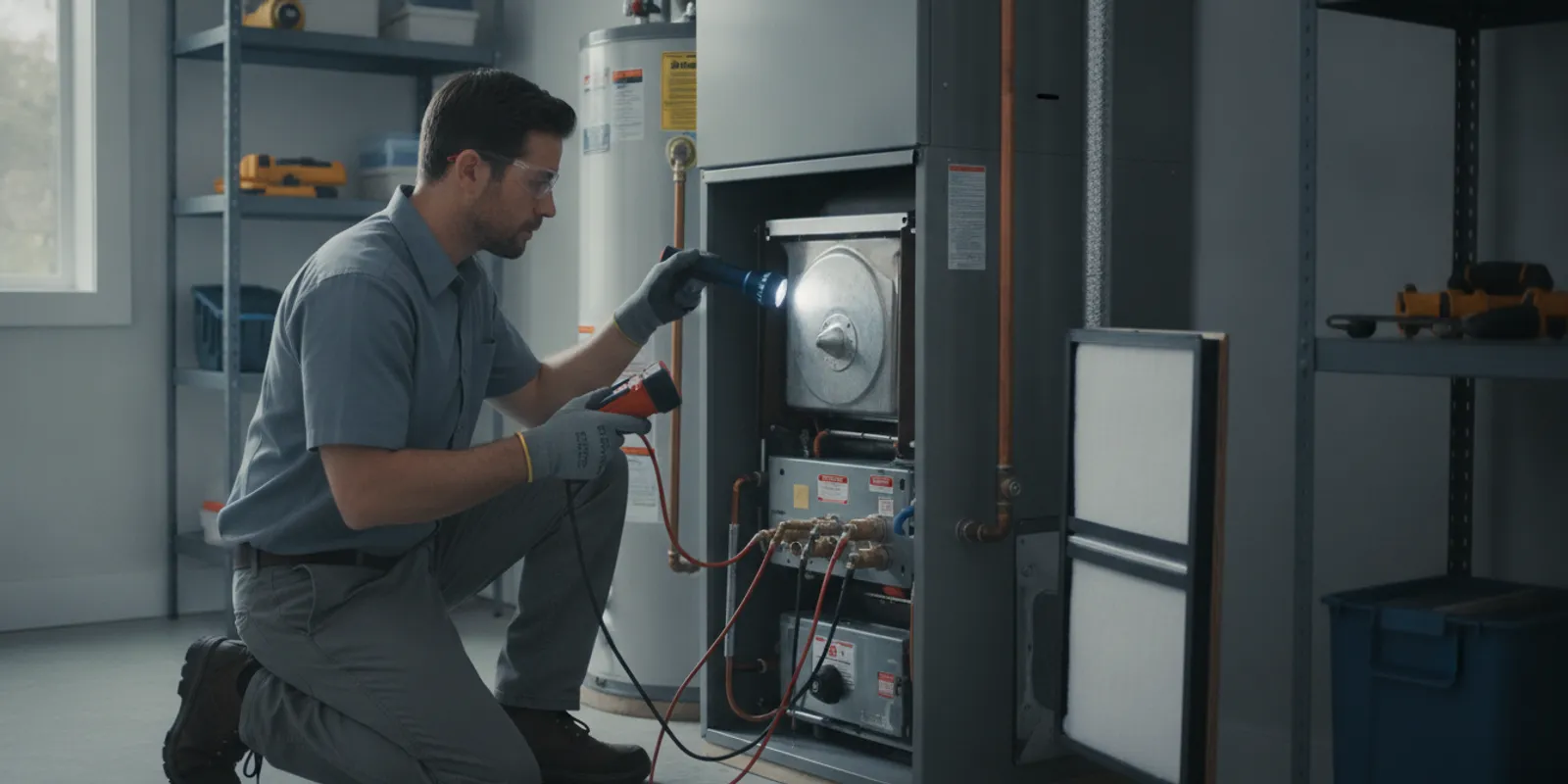
A service call is a visit to assess a heating concern. It may include hearing how the problem developed, inspecting relevant furnace components and controls, and performing checks that help identify a likely cause. The visit is not automatically the same as a completed repair. After the assessment, the technician may explain the findings and provide an estimate for repair work.
Before scheduling, ask what the quoted visit includes. Is the charge for diagnosis only? Does it cover a certain amount of assessment time or particular checks? Are repair labor and parts separate? Could extra testing, difficult access, or a return visit change the estimate? These are sensible questions, not assumptions about how every contractor bills.
It also helps to distinguish a diagnostic result from a confirmed repair plan. A symptom can point toward several possible causes. A furnace that stops shortly after starting, for example, does not by itself identify which component or condition is responsible. The purpose of assessment is to gather enough information to explain a recommendation rather than guess from one observation.
What affects the cost for a furnace service call?
The cost for a furnace service call can vary because the work required varies. These factors commonly shape the estimate and the conversation around it:
- The reported symptom. A furnace that will not start may require a different diagnostic path from one that runs but leaves some rooms cool. A clear description helps focus the visit, but a symptom alone does not prove which part has failed.
- System type and condition. Furnace design, age, prior repairs, and connected equipment can affect what needs inspection. An intermittent problem may take more observation to assess than a fault that occurs consistently.
- Access and setup. The furnace location and available working space affect the steps needed to inspect it. An open utility area may be easier to access than a cramped closet, attic, or mechanical room with restricted entry.
- Testing required. Some issues are straightforward to narrow down; others require checks that distinguish among several possible causes. Ask what additional testing is being proposed and why.
- Repair scope. The diagnostic visit and repair are separate parts of the work. Labor, parts, and any follow-up depend on what the evaluation finds.
- Timing and urgency. Scheduling outside routine hours may involve different availability or terms. Ask how an urgent or after-hours request is handled before authorizing service.
For example, a homeowner describing a steady, repeatable failure may be able to give the technician a clear starting point. If the furnace works for part of the day and then stops without a consistent pattern, more information may be needed to understand the conditions around each event. Neither case guarantees a particular amount of work or price; the estimate should reflect what is actually included.
Airteks provides heating repair and installation across Northern California, including the Bay Area, Central Valley, and Sacramento region. Review its residential heating services and ask which visit terms apply to your equipment and reported concern.
How do diagnostic and repair estimates differ?
A diagnostic estimate concerns the assessment visit. A repair estimate describes the work proposed after the cause has been evaluated. It may list labor, parts, and steps needed to restore operation. A firm repair estimate may not be possible until inspection identifies the issue and the work it requires.
| Estimate item | What it generally describes | Question to ask |
|---|---|---|
| Service or diagnostic visit | Assessment of the reported furnace concern under the contractor’s stated terms | What checks and time are included? |
| Repair labor | Work proposed to address the diagnosed issue | Which tasks are included, and could more work be needed? |
| Parts | Components proposed for replacement, if needed | Which part is being replaced, and what did the assessment show? |
| Additional testing or follow-up | Further assessment, access, or a return visit if the first evaluation is not enough | Will you explain the added scope and get approval first? |
Use this comparison as a checklist, not a universal price schedule. Providers may define a service visit differently. A written estimate should help you see what is included, what is optional, and what requires further approval. If a revised estimate follows testing, ask what new information changed the proposed scope.
Consider two hypothetical estimates for the same reported symptom. One may list an assessment visit only, while another may explain that the diagnostic charge is credited toward a repair if authorized. Those terms are not interchangeable, and the figures cannot be compared fairly without reading the scope. Ask each provider to separate assessment, repair labor, parts, and any possible follow-up so you can compare like with like.
What information should you gather before calling?
You do not need to diagnose the furnace yourself. A few safe observations can make the conversation more useful and help a technician prepare. Record only what you can observe without opening the equipment or handling its components:
- Note when the problem began and whether it happens constantly or intermittently.
- Describe the symptom plainly: no heat, brief operation, a new sound, or uneven temperatures.
- Write down any thermostat display or error code. Do not remove furnace panels to look for one.
- Share the make and model if the equipment label is accessible without moving or opening anything.
- Mention recent service, thermostat changes, or a power interruption that may be relevant.
- Ask about the diagnostic charge, what the visit covers, and how repair approval works.
For example, “the furnace starts, runs for a few minutes, then stops” is more helpful than “it is broken.” If the issue happens only at certain times, note when it occurs and what you observe immediately before it stops. These details do not replace testing, but they give the technician a clearer starting point.
Keep the notes factual. Avoid taking apart equipment, resetting a unit repeatedly to reproduce a failure, or attempting a repair. If you notice a warning sign such as an alarm, smoke, soot, or an unusual odor, share that information when you request help. For a routine no-heat concern, see Airteks’ furnace repair service and discuss next steps for your situation.
How can you compare furnace service estimates?
Compare scope, not just totals. A lower initial visit charge may cover fewer checks, while a higher amount may include a broader assessment or different terms. Ask each provider the same questions and record the answers in the same categories:
- Is the amount for diagnosis only, or does it include repair work?
- Which labor, parts, and testing are included?
- Will additional work begin only after I approve a revised estimate?
- Are there separate charges for after-hours scheduling or a return visit?
- What happens if the first test does not identify the cause?
- Will the technician explain why a replacement part is recommended?
Request the recommendation in writing when possible. It should describe the observed issue, proposed work, and important exclusions. If more than one solution is reasonable, ask what each option addresses and whether it is a limited repair or a broader correction. Clear descriptions let you decide without having to guess what a line item means.
It can help to separate an immediate repair from optional or preventive work. Ask which item addresses the current fault, which items are intended to reduce future problems, and what the trade-offs are if you postpone each one. This is not a reason to skip appropriate maintenance; it is a way to understand the purpose and timing of every recommendation. Airteks’ HVAC maintenance information can help distinguish planned upkeep from diagnosis of an active breakdown.
If two estimates differ, put them side by side. For each one, note the visit charge, diagnostic scope, repair labor, parts, testing, timing terms, and follow-up. A difference in total may reflect a difference in included work rather than simply a difference in price. If a line item is unclear, ask the provider to explain it before you approve the work.
How do safety and standards relate to a service visit?
A furnace assessment is also an opportunity to raise safety concerns about equipment operation. The U.S. Consumer Product Safety Commission provides public guidance on consumer product and carbon monoxide safety. Consult the CPSC safety information for general guidance about household hazards and alarms.
This general information does not set a contractor’s service-call charge or predict what a particular furnace needs. Do not open combustion components, bypass controls, or continue running equipment when there are warning signs. Tell the technician about an alarm, soot, unusual odor, or repeated shutdown. If you believe there is an immediate danger, leave the area and contact the appropriate emergency service or utility provider.
When should you request service?
Arrange an evaluation when the furnace repeatedly fails to heat, shuts off unexpectedly, makes a new or worsening noise, or shows a warning that normal thermostat settings do not resolve. Do not keep resetting equipment if the problem returns. Avoid removing panels or handling wiring, gas connections, or internal components.
For a business or school, include the affected area, the number of zones or occupants impacted, and any operating constraints in the first conversation. Commercial equipment, building access, and approval steps may differ from a home visit. Airteks offers commercial HVAC service; explain the building type and the issue so the appropriate next step can be discussed.
A useful service request is specific without attempting a diagnosis. “The heat is unavailable in two offices, and the thermostat is displaying an alert” gives context about the impact and observed condition. For a home, note whether the concern affects the whole house or only certain rooms. The technician can then evaluate the equipment and controls rather than relying on a guess about the cause.
What happens during the visit?
The exact process depends on the complaint and equipment, but the basic sequence is straightforward. First, explain the symptoms and any safety concerns. The technician can inspect relevant equipment and controls, perform checks appropriate to the reported issue, and explain what the findings support. If more than one possible cause remains, ask what additional test could distinguish them and whether it changes the estimate.
Before authorizing a repair, confirm the proposed task, parts, labor, and any conditions that could add work. Ask whether the furnace will be checked after the repair and what signs should prompt a follow-up call. If the first visit cannot resolve the problem because a part must be obtained or more evaluation is needed, clarify the next step and any return-visit terms.
For an intermittent problem, share a short timeline: time of day, thermostat setting, how long the system ran, and what happened just before it stopped. Do not stage a failure by repeatedly cycling the equipment if doing so could create a safety concern. A factual timeline may help the technician understand the pattern without unnecessary trial and error.
Ask for a plain explanation of the finding. You might ask: What did you observe? What does that tell you? What work do you recommend now? What is not included in this estimate? If the answer is that further testing is needed, ask what it will establish. These questions keep the discussion focused on evidence, options, and approval rather than technical terms you may not use every day.
How can you prepare the home or building?
Simple preparation can keep the visit focused. Make a clear path to the thermostat and furnace, secure pets, and gather prior service paperwork or equipment details you already have. Do not move heavy objects, open the cabinet, or disconnect anything to make access easier. If entry requires a key, a building contact, or permission to use a mechanical room, arrange that ahead of the appointment.
For a business or school, identify who can approve work and who can explain the building schedule. Note whether the reported problem affects one room, a zone, or several areas. Share access rules and operating limits before the technician arrives. If an authorized decision-maker will not be present, agree in advance on how estimates and approval requests should be handled.
Prior records can also help. If you have an earlier invoice, a maintenance note, or a record of a previous repair, keep it available and mention any recurring symptom. You do not need to assemble a complete service history; even a short note about when a similar problem occurred can help put the current concern in context.
Where can property owners ask about an estimate?
Airteks serves residential and commercial customers across the Bay Area, Central Valley, and Sacramento region. When requesting service, describe the furnace concern, property type, and location. Airteks can explain the next step and the estimate details that apply to the situation; the amount depends on the work required rather than a universal published service-call rate.
Use the Airteks contact page to make an inquiry. Homeowners considering planned upkeep can also review the gas furnace tune-up guide. A tune-up is planned maintenance, while a service call for a malfunction starts with assessing a current problem; ask which type of visit fits your concern.
When you call, have your notes ready and ask what the visit charge covers before confirming an appointment. If comparing providers, record each answer in the same categories: diagnostic visit, repair labor, parts, added testing, and possible return visit. This comparison is more useful than a bare quote because it shows what each estimate actually includes.
Call Airteks at (510) 719-0621
Frequently Asked Questions
Is a service call the same as a furnace repair?
No. A service call is the visit to assess the problem. Repair work may be recommended after the technician identifies a likely cause, and its labor and parts may be estimated separately. Ask what the visit charge covers before authorizing it.
Can I get a firm repair price before diagnosis?
The general scope may sometimes be apparent from the reported symptom, but the exact repair can depend on inspection and testing. Ask what can be estimated from the information available and confirm that added work requires your approval.
Does the lowest diagnostic charge always mean the lowest bill?
Not necessarily. Providers may include different services in the visit charge, and repair work depends on the findings. Compare what is included, how additional work is approved, and whether a return visit could involve another charge.
What should I do if my furnace stops outside regular hours?
Ask the contractor about current availability and any after-hours terms. If there is an immediate safety concern such as suspected gas or smoke, leave the area and contact the relevant emergency service or utility provider instead of inspecting the equipment yourself.
A clear description of the problem and a written explanation of the proposed work make it easier to understand a furnace service-call estimate and decide on the next step.
Comments