
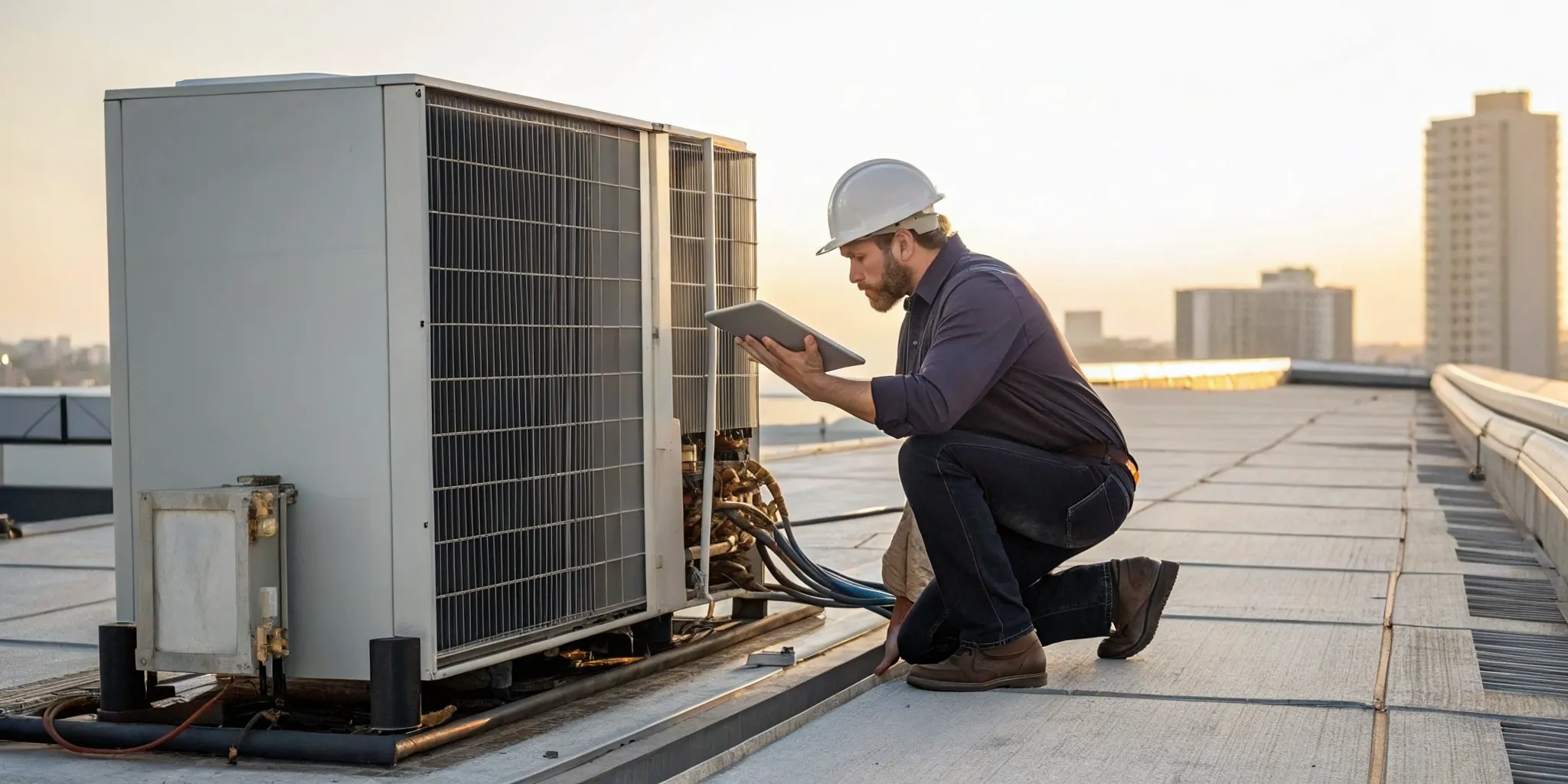
When your HVAC system starts acting up, the temptation to search for a quick online tutorial and fix it yourself is strong. While a DIY approach can feel empowering, these systems are incredibly complex and involve high-voltage electricity and chemical refrigerants that can be dangerous without proper training. Hiring a professional HVAC contractor is about more than just convenience; it’s about safety, protecting your warranty, and ensuring the job is done right the first time. Before you reach for your toolbox, let’s explore why calling a pro is the smarter, safer, and more cost-effective decision for your home or business in the long run.
Key Takeaways
- Think beyond emergency repairs: A great HVAC contractor is a long-term partner who handles everything from proper system installation and routine maintenance to solutions that improve your indoor air quality, ensuring your comfort year-round.
- Do your homework to find a trusted pro: Protect your investment by verifying a contractor's license and insurance, reading online reviews to gauge their reputation, and insisting on a detailed, itemized quote before making a decision.
- Hiring a pro is safer and saves money: Trying to fix your HVAC system yourself can be dangerous, void your warranty, and lead to more expensive problems; a professional handles the job safely and correctly, protecting your wallet from costly mistakes.
What Is an HVAC Contractor?
An HVAC contractor is a trained professional who installs, maintains, and repairs your heating, ventilation, and air conditioning systems. Think of them as the experts you call to keep your indoor climate comfortable and the air you breathe clean. They handle everything from fixing a broken furnace in winter to installing a new air conditioner before a summer heatwave. A good contractor provides solutions for both your home and your business, making sure your environment is perfectly controlled no matter the season.
For Your Home
When it comes to your house, an HVAC contractor focuses on your specific residential needs. The systems in homes are typically single, stand-alone units designed to efficiently heat or cool a smaller, contained space. You might find your unit in the backyard, on the side of the house, or tucked away in an attic. A residential specialist understands the unique challenges of home comfort, like ensuring even temperatures across different rooms or improving indoor air quality for your family. They provide essential residential services that keep your personal space comfortable year-round, from routine maintenance to emergency repairs.
For Your Business
An HVAC contractor working on commercial properties deals with a completely different scale of complexity. Businesses and large facilities require powerful, intricate systems to manage heating and cooling across vast spaces. These systems are far more complex than residential units and demand advanced training and specialized equipment to service properly. A commercial contractor is also well-versed in the specific building codes and regulations your business must follow, including ventilation and health standards. They provide expert commercial services to ensure your employees and customers are comfortable and your operations run smoothly.
Home vs. Business: What's the Difference?
While both residential and commercial contractors work to control temperature, the job requirements are worlds apart. You can't simply hire any contractor for a commercial job; it requires a distinct level of expertise. Residential systems are built for a single-family’s needs, while commercial systems are often modular and can be customized to cool specific zones within a large building. The design and functionality are fundamentally different, from the complex drainage systems of commercial units to their placement, which is often on the roof. This is why it’s important to hire a contractor with proven experience in the right setting for your property.
What Services Do HVAC Contractors Offer?
An HVAC contractor does a lot more than just fix your air conditioner when it breaks on a hot day. Think of them as your go-to expert for everything related to your home’s or business’s heating, ventilation, and air conditioning. Their services cover the entire lifecycle of your system, from the day it’s installed to its final replacement years later. They handle installations, diagnose and fix problems, perform routine check-ups, and even help improve the quality of the air you breathe indoors. A good contractor provides a complete solution to keep your space comfortable and your system running efficiently all year long.
Installing and Replacing Your System
Whether you’re building a new property or your old furnace has finally given up, an HVAC contractor handles the entire installation and replacement process. A professional will assess your space to determine its unique heating and cooling needs, ensuring you don’t end up with a system that’s too big or too small for your home or business. They recommend the right equipment and then manage the full air conditioning installation, from removing the old unit to connecting and testing the new one. This ensures your system is set up for maximum efficiency and a long lifespan from day one, giving you peace of mind that the job was done right.
Fixing Problems with Repairs and Diagnostics
When your heat goes out in the middle of winter or your AC starts making a strange noise, an HVAC contractor is who you call. They are trained to be system detectives, using specialized tools and their expertise to diagnose the root cause of the problem. Instead of just applying a temporary fix, they get to the heart of the issue to provide a lasting solution. Whether it’s a faulty thermostat, a refrigerant leak, or a worn-out motor, they have the skills to perform an effective heating system repair. This professional approach ensures your system operates safely and efficiently, preventing the same problem from popping up again.
Keeping Things Running with Routine Maintenance
The best way to avoid emergency repairs is with regular, preventative care. HVAC contractors offer routine maintenance plans to keep your system in top shape. During a maintenance visit, a technician will inspect, clean, and tune up your entire system. This includes cleaning coils, checking electrical connections, lubricating moving parts, and changing filters. This proactive service helps catch small issues before they become major, expensive breakdowns. Scheduling routine HVAC maintenance not only extends the life of your equipment but also ensures it runs at peak efficiency, which can help lower your monthly energy bills.
Improving Your Air Quality and Efficiency
A contractor’s job isn’t just about temperature; it’s also about the overall comfort and health of your indoor environment. Many HVAC professionals offer services designed to improve your indoor air quality. They can recommend and install whole-home air purifiers, filtration systems, humidifiers, or dehumidifiers to help you breathe easier. If your ductwork is old or leaky, they can seal or replace it to improve efficiency and prevent dust and allergens from circulating through your home. These commercial services and residential solutions create a healthier, more comfortable space while ensuring your HVAC system isn’t working harder than it needs to.
How to Find a Contractor You Can Trust
Finding someone to work on your home or business’s HVAC system can feel like a big decision, because it is. This system is one of the most expensive and important components of your property, responsible for your comfort and safety. The right contractor will not only fix your immediate problem but also help you maintain your system for years to come. The wrong one can lead to shoddy work, unexpected costs, and even safety hazards. So, how do you sort the pros from the rest? It comes down to doing a little bit of homework. By focusing on a few key areas, you can feel confident in your choice. You’ll want to verify their credentials, check out their reputation with past customers, and make sure their experience aligns with what you need. Taking these steps will help you find a reliable partner for all your heating and cooling needs.
Check for Licenses, Certifications, and Insurance
First things first, a legitimate HVAC contractor must be properly licensed and insured. A state license confirms they have met the minimum requirements to perform HVAC work legally. Don't just take their word for it; ask for their license number and verify it. Beyond that, look for certifications from organizations like North American Technician Excellence (NATE); this shows their technicians have proven their knowledge through rigorous testing. Most importantly, confirm they have both liability insurance and worker's compensation. This protects you from any financial responsibility if an accident happens on your property. A trustworthy contractor will readily provide proof of these credentials, so don't be shy about asking.
Read Online Reviews and Ask for References
Online reviews are your best friend when vetting a contractor. Check out what previous customers are saying on sites like Google, Yelp, and the Better Business Bureau. Look for patterns in the feedback. Are customers consistently praising their professionalism, timeliness, and fair pricing? Pay attention to how the company responds to negative reviews, too. A professional response that aims to solve the problem is a great sign. For a deeper look, ask the contractor for a few references you can call. Speaking directly with a past customer gives you a chance to ask specific questions about their experience and the quality of the work performed. This is a great way to gauge their reliability before you commit.
Look at Their Experience and Specialization
Not all HVAC experience is created equal. A contractor who has been in business for decades likely has a solid track record and a deep understanding of local homes and climate needs. Experience also points to stability; a company that has been around for a long time is more likely to be there if you need them down the road. It's also smart to check their specialization. Do you need help with a large-scale commercial system or a simple repair for your home's air conditioner? Find a contractor whose expertise matches your project. A company with highly trained technicians and a reputation for quality work is always the best choice for keeping your system running smoothly.
What to Look for When Comparing HVAC Contractors
Once you’ve narrowed down your list to a few licensed and reputable contractors, it’s time to dig a little deeper. Choosing the right HVAC partner isn’t just about finding the lowest price; it’s about finding the best value for your investment. A great contractor will be a long-term partner in keeping your home or business comfortable and efficient. To make the right choice, you’ll want to compare companies on a few key points that go beyond the initial estimate. Looking at their quotes, warranties, payment options, and emergency availability will give you a complete picture of the service you can expect to receive.
Get Clear, Detailed Quotes
When you request a quote, you should receive more than just a final number. A trustworthy contractor will provide a clear, itemized estimate that breaks down all the costs, including the specific equipment models, materials, and labor charges. This level of detail allows you to make an informed, apples-to-apples comparison between different companies and helps you spot any potential hidden fees. Don’t be afraid to ask questions if something isn’t clear. A professional will be happy to walk you through their proposal. Getting a detailed quote is your first real look into a company’s transparency and customer service style, so pay close attention to how they handle this process.
Understand the Warranties and Guarantees
An HVAC system is a major purchase, and you want to know it’s protected. When comparing contractors, make sure you understand the warranties they offer. There are typically two types: a manufacturer's warranty, which covers the equipment itself, and a labor warranty, which covers the installation work performed by the contractor. A confident and reliable HVAC contractor will stand behind their workmanship with a clear guarantee. Always ask for these details in writing so you know exactly what’s covered and for how long. This protection provides peace of mind, ensuring you won’t be left with unexpected repair bills if something goes wrong down the line.
Ask About Financing and Discounts
Let’s be honest, a new heating or cooling system can be a significant expense. A good contractor understands this and will often have options to make the investment more manageable. Before you make a final decision, ask each company about their available financing plans. Many offer flexible payment options that can fit your budget. It’s also a great idea to inquire about any current promotions, manufacturer rebates, or seasonal discounts they might be running. Sometimes, these savings can make it possible to afford a higher-efficiency unit, which will save you even more money on your energy bills over time. Don't hesitate to explore these financing options to find a solution that works for you.
Confirm Their Availability for Emergencies
Your air conditioner or furnace rarely breaks down at a convenient time. It’s more likely to happen during a heatwave or a cold snap, and you’ll want help fast. Before you commit to a contractor, confirm their availability for emergency services. Do they offer support 24/7? What are their typical response times for urgent calls? Understanding their emergency protocols is crucial for both homeowners and business owners. For a business, a system failure can mean shutting down operations, so knowing you have a dependable team for commercial services on call is essential for continuity. This is a key factor in choosing a contractor you can count on for years to come.
Is It Worth Hiring a Pro Instead of DIY?
When your heater or air conditioner acts up, it’s tempting to search for a quick fix online and try to tackle it yourself. While the DIY spirit is admirable, HVAC systems are complex and can be dangerous to work on without proper training. Hiring a professional contractor might seem like an extra expense, but it often saves you time, money, and a lot of headaches. Before you grab your toolbox, let’s walk through why calling a pro is almost always the smarter, safer, and more cost-effective choice for your home or business.
The Safety Risks of Going DIY
Your HVAC system involves high-voltage electricity, natural gas lines, and chemical refrigerants. Mishandling any of these can lead to serious injury, electrocution, or even carbon monoxide poisoning. An amateur mistake could create a fire hazard or cause a refrigerant leak, which is harmful to both your family and the environment. Professional technicians are trained to handle these materials safely and follow strict protocols to prevent accidents. Ensuring your safety is the number one reason to leave HVAC work to someone with the right experience and equipment. Don't risk your well-being for a problem that a trained expert can solve securely and efficiently.
How a Pro Saves You Money in the Long Run
The initial cost of a service call might make you pause, but a DIY attempt can end up being far more expensive. A small mistake could turn a simple repair into a major system failure, forcing you to pay for a complete replacement. Even if your DIY fix seems to work, it might reduce your system's efficiency, leading to higher energy bills every month. A professional diagnoses the root cause of the problem correctly the first time, performing a lasting repair that restores your system to peak performance. This professional approach prevents future breakdowns and keeps your utility costs down, saving you significant money over time.
Protecting Your Warranty and Staying Compliant
Most HVAC manufacturers require installation and service to be performed by a licensed contractor to keep the warranty valid. If you try to fix it yourself and something goes wrong, you could void your warranty entirely, leaving you on the hook for the full cost of any future repairs. Additionally, many HVAC projects require permits to ensure they meet local building codes. A professional contractor handles all the necessary paperwork and guarantees their work is compliant. Choosing a licensed team for your residential services protects your investment and gives you peace of mind knowing everything is done by the book.
Finding the Right HVAC Contractor for Your Needs
Once you decide to hire a professional, the key is finding one you can trust. Start by looking for a contractor with a strong local reputation. Check online reviews and ask friends or neighbors for referrals to get a sense of their reliability and the quality of their work. A trustworthy company will be transparent about its licensing, insurance, and experience. When you find a potential contractor, don't hesitate to ask questions and get a detailed quote. Taking the time to find the right partner ensures your HVAC system is in good hands. If you’re ready to work with a team that values honesty and quality, contact us today.
Frequently Asked Questions
Does it matter if I hire a residential or commercial HVAC contractor? Yes, it absolutely matters. While both work on heating and cooling, the systems are completely different. Commercial HVAC systems are much larger, more complex, and have to meet specific business regulations and ventilation codes. A contractor who specializes in residential units likely won't have the training or equipment to properly service a commercial property. Always hire a contractor whose expertise matches your specific needs to ensure the job is done correctly and safely.
How often should I have my HVAC system serviced? A good rule of thumb is to have your system professionally serviced once a year. The best approach is to schedule an air conditioning tune-up in the spring before it gets hot and a heating system check-up in the fall before you need the furnace. This regular maintenance helps catch small problems before they become expensive emergencies, keeps your system running efficiently, and can even help lower your monthly energy bills.
What’s the first thing I should check when vetting an HVAC contractor? Before you look at anything else, confirm that the contractor is licensed and fully insured. A state license proves they have met the legal requirements for performing HVAC work, and insurance protects you from liability if an accident occurs on your property. A trustworthy professional will have no problem providing you with their license number and proof of insurance, so don't hesitate to ask for it.
Is the cheapest quote always the best option? Not usually. While it's tempting to go with the lowest price, an unusually cheap quote can be a red flag. It might indicate that the contractor is using subpar equipment, cutting corners on safety, or isn't properly insured. Instead of focusing only on the price, compare the detailed, itemized quotes to see what you are actually getting. The best value comes from a fair price that includes quality work, reliable equipment, and a solid warranty.
Are there any HVAC repairs I can safely do myself? For your safety and to protect your system, you should leave almost all repairs to a trained professional. The only tasks a homeowner should typically handle are basic maintenance, like regularly changing the air filter and clearing away leaves or debris from the outdoor unit. Anything that involves opening up the system, handling electrical wiring, or dealing with refrigerants is dangerous and can easily cause more damage or void your warranty.
Comments