
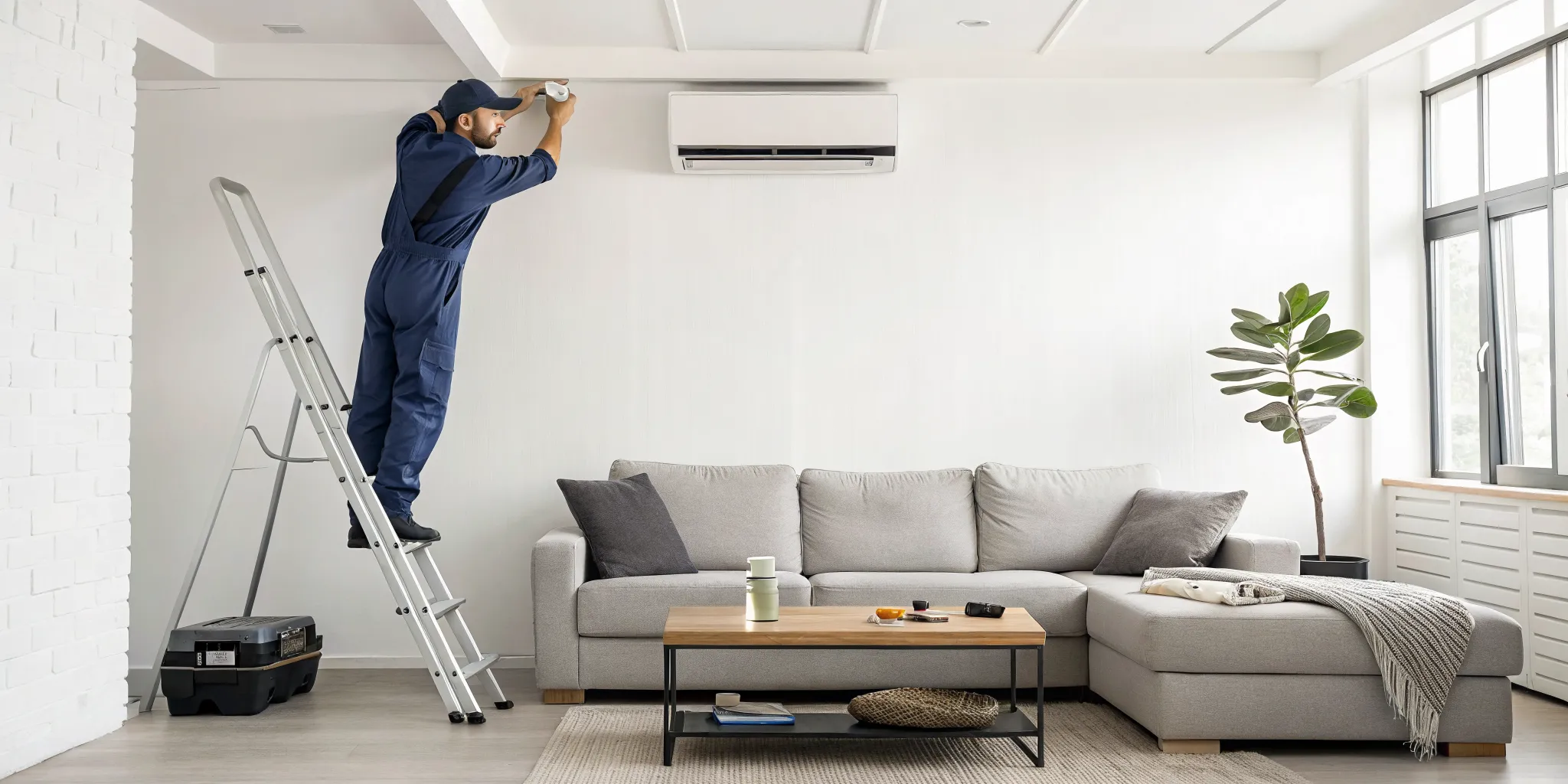
Thinking about a new air conditioner as just another appliance misses the bigger picture. It’s a long-term investment in your family’s comfort, your home’s air quality, and your monthly energy bills. Just like any significant home improvement project, the upfront cost is only part of the story. A cheaper unit might save you money today but cost you more in the long run through higher utility bills and frequent repairs. We’ll explain how factors like energy efficiency and proper installation affect the total cost of ownership. Understanding the complete financial picture behind the cost to install a new air conditioner will help you choose a system that delivers value for years to come.
Key Takeaways
- Your final cost is unique to your home: The price of a new AC depends on key factors like your home's size, the system type you choose, and the state of your ductwork. A personalized quote is the only way to get an accurate number instead of just a national average.
- Prioritize long-term savings over a low upfront price: A cheaper unit with a low SEER rating often leads to higher monthly energy bills. Investing in a high-efficiency model costs more initially but can save you a significant amount of money over the system's lifespan.
- The right contractor is a non-negotiable: The quality of the installation determines your system's performance and longevity. Protect your investment by choosing a licensed and insured professional and comparing at least three detailed quotes before making a decision.
How Much Does a New Air Conditioner Cost?
Figuring out the cost of a new air conditioner is a top priority for any homeowner facing a replacement. It’s a significant investment in your home’s comfort, and the truth is, there’s no single price tag. The final cost depends on a mix of factors unique to your home and needs. While national averages can give you a general idea, your specific situation will determine the final number.
Most homeowners can expect to pay somewhere between $5,500 and $16,000 to replace their air conditioner, with an average cost of around $8,500. This price typically includes both the new unit itself and the professional labor required for installation. However, this is just a starting point. The size of your home, the type of system you choose, and even your location can cause this number to shift. The best way to get a precise figure is to request a personalized quote from a trusted professional who can assess your home’s specific requirements.
Price Ranges by Home Size
The size of your home is one of the biggest factors influencing the cost of a new AC system. A larger house has more space to cool, which requires a more powerful and, therefore, more expensive air conditioner. A system that’s too small will run constantly without ever properly cooling your home, while a system that’s too large will cycle on and off too frequently, wasting energy and causing unnecessary wear.
On average, installing a new central air conditioning system costs around $13,000. If your home also needs new ductwork installed or your existing ducts require significant repairs, you can expect to add about $4,000 to that total. This is why a professional evaluation of your residential service needs is so important to ensure the system is sized correctly for your square footage and layout.
Price Ranges by AC System Type
The type of air conditioner you select will also have a major impact on your total cost. A standard central air conditioner will have a different price point than a high-efficiency model or a ductless mini-split system. When you get a quote for a replacement, the price will reflect both the equipment and the complexity of the installation.
For most standard AC replacements, the total cost falls between $5,500 and $16,000. Within that price, the labor to install the unit typically accounts for $1,500 to $3,000, depending on the job's difficulty and local rates. We’ll explore the different types of AC systems later on, but it’s helpful to know that your choice of equipment is a key part of the overall budget.
How Your Location Affects the Price
Where you live plays a surprisingly large role in what you’ll pay for a new air conditioner. Labor rates, local regulations, and the general cost of living can vary significantly from one city to another. For example, installation costs in the Bay Area may be different from those in the Central Valley due to these regional economic factors.
Online forums show homeowners reporting costs anywhere from $7,000 to over $20,000 for a new system, which highlights just how much prices can vary. It’s also important to remember that the market is always changing. Factors like inflation, material availability, and new industry regulations can affect pricing over time, so a quote you received a year ago might not be accurate today.
What Determines Your Final AC Installation Cost?
When you get a quote for a new air conditioner, you’ll quickly realize it’s not a one-size-fits-all purchase. The final price tag is a combination of several important factors that are unique to your home, your comfort goals, and the equipment you choose. Think of it less like buying an appliance off the shelf and more like a custom home improvement project. Understanding what goes into the total cost helps you see where your money is going and make smarter decisions for your budget and long-term comfort.
From the type of system that best fits your space to the hidden condition of your air ducts, each element plays a role. Even the time of year you decide to schedule the installation can influence the price. Let’s walk through the six main components that shape the final cost of your new AC installation, so you can feel confident when you’re ready to move forward.
The Type of AC System You Choose
The first major decision you'll make is what kind of air conditioning system you want. As you might expect, the type of unit you choose will have a big impact on how much you’ll spend and what kind of performance you can expect. A traditional central air conditioner is a popular choice, but a ductless mini-split system might be a better fit for certain homes, while a heat pump offers both heating and cooling in one unit. Each of these residential systems comes with a different price point for both the equipment and the installation process. Your choice will depend on your home's existing setup, your budget, and your efficiency goals.
Your Home's Size and Layout
You wouldn't buy a coat that's three sizes too big, and the same logic applies to your air conditioner. The size of your home is one of the biggest factors in determining your total AC installation cost. A larger house requires a more powerful unit to cool it effectively, which naturally costs more. But it's not just about square footage. The layout of your home, the number of windows, ceiling height, and insulation levels all affect how much cooling power you need. An undersized unit will struggle to keep up on hot days, while an oversized unit will cycle on and off too frequently, wasting energy and failing to control humidity. A professional can perform a proper load calculation to find the perfect fit for your space.
The Condition of Your Existing Ductwork
Your ductwork is the circulatory system for your home's conditioned air, but it's often out of sight and out of mind. If you're replacing a central air conditioner, the state of your existing ducts is a huge cost factor. Old, leaky, or improperly sized ducts can lose up to 30% of your cooled air before it ever reaches your rooms. A professional inspection might reveal that your ducts need significant repairs or even a full replacement. While adding new ductwork can add a few thousand dollars to the project, it ensures your new, efficient AC unit can actually perform at its peak. Ignoring bad ductwork is like putting a brand-new engine in a car with four flat tires.
Energy Efficiency and SEER Rating
When you shop for a new AC, you'll see a SEER (Seasonal Energy Efficiency Ratio) rating on every unit. Think of it like the MPG rating for a car: it tells you how much cooling you get for each unit of electricity you use. The government sets minimum SEER standards, but you can opt for much higher-efficiency models. Higher SEER ratings usually cost more upfront but can save you a significant amount of money on energy bills over time. Investing in a more efficient unit is a great way to lower your long-term cost of ownership, especially with California's high energy prices.
Labor and Installation Complexity
The cost of labor is a critical part of your final bill, and it’s about more than just a few hours of work. You're paying for the skill, training, and experience of certified technicians who can install your system safely and correctly. Labor typically adds a few thousand dollars to the total, depending on the complexity of the job. If your new system requires electrical upgrades, or if the unit needs to be installed in a hard-to-reach attic or crawlspace, the labor costs will be higher. This is one area where you don't want to cut corners, as a poor installation can ruin even the best equipment. Getting a detailed quote from a trusted contractor will ensure all labor costs are clear from the start.
The Time of Year You Schedule Service
Just like with any other industry, supply and demand can affect HVAC pricing. Most homeowners think about their air conditioning when it’s already hot outside, making summer the peak season for installations and repairs. Because demand is so high, you might find that prices are firmer and scheduling is tighter. If you can plan ahead, scheduling your installation during the "shoulder seasons" of fall or spring can sometimes work in your favor. Contractors are often less busy, which can lead to more flexible scheduling and occasionally better pricing. It’s a smart strategy if your current system is still functional but you know a replacement is on the horizon.
Finding the Right Type of AC System for Your Home
Choosing a new air conditioner isn't just about picking a brand. It's about finding the right type of system to match your home's layout, your budget, and your family's comfort needs. Each option comes with its own set of benefits and installation requirements. Understanding the basics will help you have a more productive conversation with your HVAC technician and feel confident in your final decision. Let's walk through the most common types of AC systems available for your home.
Central Air Conditioning
If you want consistent, whole-house cooling, a central air conditioning system is the go-to choice. These systems work by distributing cool air through a network of ducts to every room, providing a uniform temperature throughout your home. They are ideal for houses that already have ductwork in place. The average installation cost typically falls between $5,000 and $15,000. This price can vary based on your home’s size and whether your existing ducts need repairs or modifications. A professionally installed central AC is a fantastic investment in your home's overall comfort and value, and it's one of our core residential services.
Ductless Mini-Splits
What if your home doesn't have ductwork? Ductless mini-split systems are an incredibly flexible and efficient solution. These systems use an outdoor compressor connected to one or more indoor air-handling units, which are mounted on the wall or ceiling. This setup allows you to create different temperature "zones" and cool individual rooms without a major renovation. They are perfect for home additions, converted garages, or older homes where installing ductwork isn't practical. The cost generally ranges from $2,000 to $5,000 per zone, making them a great way to get targeted cooling exactly where you need it most.
Heat Pumps
A heat pump is a brilliant all-in-one system that provides both cooling in the summer and heating in the winter. Instead of creating heat, it works by moving it. In warm months, it pulls heat out of your home, and in cool months, it reverses the process to bring heat in from the outside air. This makes them a highly energy-efficient choice for year-round comfort. Installing a full HVAC system with a heat pump can cost between $10,000 and $20,000. While the upfront investment is higher, the long-term energy savings and convenience of a single system for both heating and cooling are significant.
Window and Portable Units
For those on a tight budget or who only need to cool a single room, window and portable AC units are a practical option. You can find these units at most home improvement stores for between $150 and $800. They are easy to install yourself and are a good temporary fix, especially for renters. However, they are less efficient than central systems, can be noisy, and only cool a limited area. While we don't install these units, it's helpful to know they exist as a short-term solution before you're ready to invest in a whole-home system.
Don't Forget These "Hidden" Installation Costs
The sticker price on a new air conditioner is just one piece of the puzzle. To get a true picture of your total investment, you need to look at the entire installation project. Several other factors can influence the final cost, and being aware of them ahead of time can save you from surprises. Think of it like buying a new car; the base price is one thing, but you also have to account for taxes, fees, and any optional upgrades.
A trustworthy HVAC contractor will walk you through a detailed, itemized quote that includes these potential expenses. However, knowing what to look for empowers you to ask the right questions and understand exactly what you’re paying for. From the air ducts running through your walls to the thermostat you use every day, several components work together with your AC unit. If any of them need an update to support your new system, it will affect the bottom line. Let's break down some of the most common costs that might not be obvious at first glance.
Ductwork Repair or Replacement
Your air ducts are the highways that deliver cool air throughout your home. If those highways are old, leaky, or improperly sized for your new system, you’re going to lose a lot of that precious cool air before it ever reaches your rooms. This forces your new AC to work harder, which wastes energy and money. A professional will inspect your ducts to see if they need repairs or a full replacement. According to Modernize, adding new ductwork can range from $2,000 to $10,000, depending on your home’s size. While it’s a significant expense, think of it as ensuring your new AC can perform at its peak efficiency from day one.
Electrical Upgrades and Permits
A new, high-efficiency air conditioner might need more or different electrical support than your old unit. Your home’s electrical panel may need adjustments to handle the load safely. These necessary electrical adjustments are a matter of safety and performance, and they ensure your system runs correctly without tripping breakers. Additionally, most cities and counties require permits for HVAC installations. This isn't just red tape; it’s a process that ensures the work is done to code, which protects you and your home. Permit fees and electrical work costs vary, but they are a standard part of a professional installation. Your contractor should handle the permitting process for you.
New Thermostat Installation
Pairing your new air conditioner with an old, outdated thermostat is like putting a flip-phone user in charge of a spaceship. It just doesn’t make sense. Upgrading your thermostat, especially to a smart or programmable model, allows you to get the most out of your new system’s efficiency features. While this adds to the initial cost, a new thermostat gives you precise control over your home’s temperature, which can lead to significant energy savings over time. As experts at Grande Aire Services point out, it's an important upgrade to consider when you're calculating the total cost of your new system.
Old Equipment Disposal
What happens to your old, clunky AC unit once it’s removed? You can’t just leave it on the curb with the weekly trash. Old air conditioners contain refrigerants and other materials that must be disposed of according to environmental regulations. This is a job for professionals. Most HVAC contractors include the cost of removing and properly disposing of your old equipment in their quote. It’s a good idea to confirm this is included so you aren’t left with a heavy piece of metal on your lawn. The total cost of an HVAC project can be affected by many factors, and responsible disposal is a crucial final step.
Does a Cheaper AC Unit Really Save You Money?
It’s a question every homeowner asks: when you’re facing a big investment, is it smart to go with the lower price tag? It’s tempting, but with an air conditioner, the initial cost is only one part of the equation. A cheaper unit might feel like a victory for your bank account right now, but it could easily cost you more in the long run through higher energy bills and more frequent service calls.
Think of it like buying a car. You could choose a less expensive model with poor gas mileage, or you could invest a bit more in an efficient vehicle that saves you money at the pump every week. Over several years, the "more expensive" car often becomes the more economical choice. Your AC system operates on the same principle. The true value isn't just in the purchase price; it's in the total cost of ownership. That’s why it’s so important to look beyond the sticker price and consider how efficiency and quality will impact your budget for years to come. We always provide honest recommendations to help you find the right balance for your home and budget.
Upfront Price vs. Long-Term Energy Costs
Let's be direct: replacing a home air conditioner is a significant expense. Costs can range from around $5,500 to over $16,000, depending on the system and your home's specific needs. Seeing that number, it’s easy to gravitate toward the most affordable unit available. However, that low upfront price often comes with a hidden cost in the form of lower energy efficiency. A less efficient unit has to work harder and run longer to cool your home, which translates directly into higher monthly electricity bills. Over the 10 to 15-year lifespan of an AC system, those extra dollars can add up to thousands, easily wiping out any initial savings.
How a Higher SEER Rating Lowers Your Bills
This is where the SEER rating comes into play. SEER stands for Seasonal Energy Efficiency Ratio, and it’s simply a measure of how efficiently your AC unit uses electricity. Think of it like a car's miles-per-gallon rating: the higher the SEER rating, the less energy it consumes. While units with higher SEER ratings typically have a higher purchase price, they deliver substantial savings on your energy bills month after month. Modern systems must meet a minimum efficiency standard, but choosing a unit with an even higher rating can dramatically lower your operating costs. When you contact us for a quote, we can show you the long-term savings of different efficiency levels.
Repair or Replace? How to Decide
It’s the big question every homeowner faces when their air conditioner starts acting up: is it better to repair the unit again or finally invest in a new one? The answer isn't always straightforward, and it depends on a few key factors: the age of your system, the cost of the repair, and how often you’ve been calling for service. Making the right choice can save you from a cycle of endless repairs or prevent you from spending money on a replacement you don't need yet. Let's walk through the signs that point you in one direction or the other.
Signs It's Time for a New AC System
Sometimes, a replacement is the most logical and financially sound decision. If your system is over 15 years old, it’s lived a full life. Continuing to patch it up can feel like a losing battle. If a repair estimate is close to half the cost of a new unit, it’s time to seriously consider a replacement. Think about it this way: putting a costly new part into a 20-year-old system often means another old component is likely to fail soon after. Frequent breakdowns, strange noises, and rising energy bills are all whispers from your AC that it’s tired. A full AC replacement can give you peace of mind, better efficiency, and a comfortably cool home without the constant worry.
When a Simple Repair Is the Smarter Choice
On the other hand, not every issue calls for a complete overhaul. If your air conditioner is less than 10 years old and has been reliable, a repair is often the way to go. A single, isolated problem, like a faulty thermostat or a clogged drain line, is usually a quick and affordable fix. The key is to avoid putting a band-aid on a major problem. For example, replacing just one part on an aging system can be risky. The lowest-cost "solutions" often involve reusing old parts, which can lead to low efficiency and more service calls later. If you're unsure, it's best to get an honest opinion. A trustworthy technician can help you weigh the cost of the repair against the remaining lifespan of your unit so you can make an informed choice.
Smart Ways to Save on Your New AC Installation
A new air conditioner is a significant home investment, but the final price tag isn't set in stone. With a little planning and some insider knowledge, you can make smart decisions that lower your overall cost without sacrificing quality or comfort. Think of it as being a savvy shopper for one of the most important appliances in your home. Here are a few practical strategies to help you get the best value on your new AC installation.
Compare Quotes from Vetted Professionals
Getting a few different opinions is always a good idea. I recommend reaching out to at least three reputable, local HVAC companies for a detailed quote. This isn't just about finding the lowest price; it's about understanding the fair market rate in your area and seeing what different contractors offer. Each quote gives you insight into a company's process, professionalism, and what they include in their installation. A trustworthy contractor will provide a clear, itemized estimate and take the time to answer your questions. When you're ready, you can contact us for a transparent, no-pressure quote.
Schedule Your Installation During the Off-Season
Timing can be everything. HVAC contractors are busiest during the hottest days of summer and the coldest days of winter. If your current AC is still working but you know a replacement is on the horizon, try to schedule the installation during the milder months of spring or fall. Demand is lower during these "shoulder seasons," which often means you'll find more flexible scheduling and potentially better pricing. Planning ahead gives you the power to choose the perfect time for your budget and avoid the emergency rush when temperatures spike.
Find Local Rebates, Tax Credits, and Financing
Don't leave free money on the table. Many federal, state, and local utility programs offer financial incentives for homeowners who install high-efficiency air conditioning systems. You can often find energy tax credits or rebates from your local power company that can significantly reduce your out-of-pocket cost. Manufacturers sometimes run their own promotions as well. A good HVAC professional should be knowledgeable about current programs in your area and can help you identify the savings you qualify for, making a high-efficiency unit more affordable than you might think.
Insist on a Proper Load Calculation
One size does not fit all when it comes to air conditioning. Before you even think about a specific model, make sure your contractor performs a "Manual J Load Calculation." This is the industry standard for accurately determining the right size AC unit for your home's unique needs, considering factors like square footage, insulation, window placement, and local climate. An oversized unit will cycle on and off too frequently, wasting energy and failing to dehumidify properly. An undersized unit will run constantly without ever cooling your home effectively. Insisting on this calculation ensures your HVAC system is perfectly tailored to your space for maximum efficiency and comfort.
Ask About Bundling Services
If your furnace is around the same age as your air conditioner, you might save money by replacing them both at the same time. Your AC and furnace share components (like the blower motor), and installing them together is more efficient for the technicians. Many HVAC companies offer a discount for bundling these services into a single job. This not only saves you on upfront labor costs but also ensures you have a complete, matched system that works together seamlessly for optimal performance and energy efficiency for years to come.
How to Choose the Right HVAC Contractor
Choosing the right contractor is just as important as choosing the right air conditioner. The quality of the installation directly impacts your system's efficiency, performance, and lifespan. A poor installation can lead to higher energy bills, frequent breakdowns, and a system that never quite keeps you comfortable, no matter how expensive the unit was. Think of a great contractor as an investment in your home's long-term comfort and value, not just another expense to check off the list.
A professional team ensures the job is done safely and correctly from the start. They handle all the critical details, from performing a proper load calculation to ensure the unit is sized correctly for your home, to inspecting ductwork for leaks, and managing all the complex electrical and refrigerant connections. This attention to detail is what separates a smooth, worry-free installation from a project filled with headaches and future problems. Taking the time to vet your options and find a trustworthy partner will save you stress and money for years to come. When you're ready to explore your options for residential services, finding a qualified pro should be your first step.
Check for Licensing, Insurance, and Experience
Before you even think about discussing quotes, your first step is to verify a contractor's credentials. Always confirm that they are licensed and insured. A valid license proves they meet state and local requirements to perform HVAC work, while proper insurance protects you from any liability if an accident happens on your property. Don't just take their word for it; ask to see proof. Experience is another critical factor. A company that has been serving your community for several years likely has a solid track record and a deep understanding of local building codes and climate challenges. An experienced team has seen it all and can handle any surprises that might come up during an installation.
Key Questions to Ask Before You Hire
Once you've confirmed a contractor is licensed and insured, it's time to dig a little deeper. A reputable professional will welcome your questions and provide clear, confident answers.
Here are a few key things to ask before you hire anyone:
- Can you provide references from recent jobs in my area?
- What specific experience do you have with the type of system I'm considering?
- Does your written estimate include all costs: labor, materials, permits, and old equipment disposal?
- What warranties do you offer on your installation work and the equipment itself?
- How long will the installation take, and what can I expect during the process?
Getting clear answers to these questions will help you feel confident in your decision. When you're ready, you can contact us to get straightforward answers and an honest quote for your project.
Get a Clear, Honest Quote from Airteks
When you’re ready to invest in a new air conditioner, the last thing you need is a surprise on the final bill. The total cost to replace a home AC system can range anywhere from $5,500 to over $16,000. This wide spectrum isn't meant to be confusing; it simply reflects how unique every home is. Factors like the size of your house, the type of system you choose, and the specifics of your installation all play a part in the final price of your residential services. An honest quote will always account for these variables from the very beginning.
While an average replacement cost might hover around $8,500, it’s important to know what that number includes. Labor alone can add $1,500 to $3,000, and if your home needs new or repaired ductwork, that can be another significant expense. We believe a quote should be a clear and complete picture, not a starting point with hidden fees. That’s why our team at Airteks provides detailed estimates that break down every aspect of the job. We want you to feel confident and informed, knowing exactly where your money is going.
Our commitment is to provide dependable service and honest recommendations, and that starts with the quote. We’ll assess your home’s specific needs, discuss your options, and give you a straightforward price for quality work. You won’t find any confusing jargon or last-minute additions. If you’re ready for a hassle-free experience, we invite you to contact us for a clear, personalized quote. Let’s work together to find the perfect cooling solution for your home or business.
Frequently Asked Questions
Why is there such a wide price range for a new air conditioner? The price for a new air conditioner varies so much because every home is unique. The final cost is a custom figure based on your home's size, the type of system you choose (like central air versus a ductless mini-split), and the condition of your existing ductwork. A larger home requires a more powerful unit, and a system that needs new ductwork will cost more than one that can use the existing setup. This is why a personalized quote is the only way to get an accurate price.
Is it really worth paying more for a high-efficiency (high SEER) unit? Yes, in most cases, it is a very smart investment. While a high-efficiency unit with a higher SEER rating costs more upfront, it uses significantly less electricity to cool your home. This translates into lower monthly energy bills. Over the 10 to 15-year life of the system, the money you save on energy can easily add up to more than the initial price difference, making it the more economical choice in the long run.
My AC is acting up. How do I decide whether to repair or replace it? A good rule of thumb is to consider the age of your system and the cost of the repair. If your air conditioner is over 15 years old, it's likely nearing the end of its effective life, and replacement is often the wiser financial move. Similarly, if a single repair costs nearly half as much as a new system, investing that money in a new, efficient unit with a warranty is a better long-term solution. For younger systems with minor issues, a repair is usually the right call.
What are some common costs I should budget for beyond the price of the AC unit itself? When you get a quote, it should account for the entire project. Besides the unit, you should prepare for the cost of professional labor, which is essential for a correct installation. Other potential costs include repairing or replacing leaky air ducts, making necessary electrical upgrades to support the new system, installing a new smart thermostat to maximize efficiency, and the proper disposal of your old equipment.
Why is a professional load calculation so important before I buy a new AC? A load calculation is a detailed analysis that determines the exact size of the air conditioner your home needs. It goes beyond simple square footage and considers factors like your home's layout, insulation, and window placement. An incorrectly sized unit is a major problem; one that's too big will waste energy and fail to control humidity, while one that's too small will run constantly and never cool your home properly. This calculation ensures you get a system that is perfectly matched to your space for optimal comfort and efficiency.
Comments