
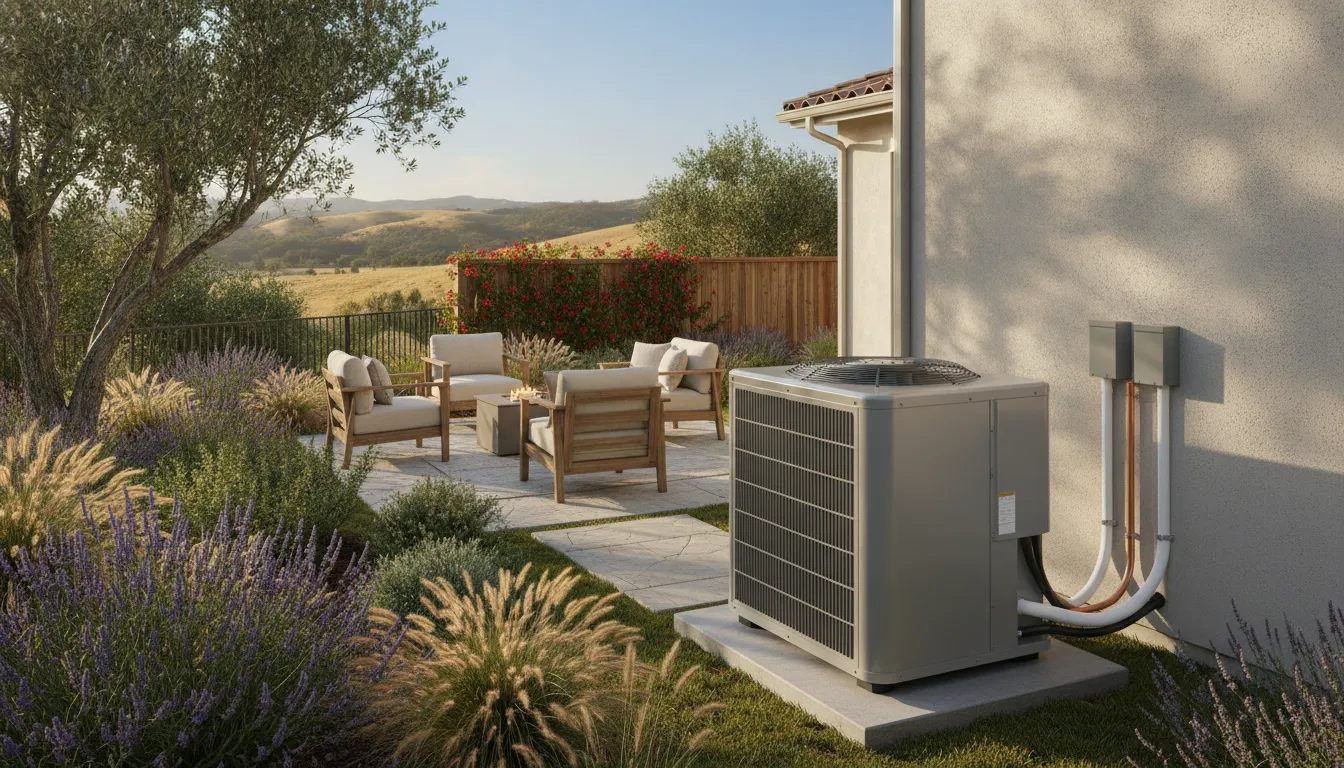
What SEER rating do I need in California is a question answered by the 2023 efficiency laws for the Southwest region. For most split-system air conditioners under 45,000 BTU, the law requires a minimum of 14.3 SEER2, which is about equal to a 15.0 SEER rating. Larger units with a size of 45,000 BTU or more must meet a minimum of 13.8 SEER2. These rules, as shown by the California Energy Commission, are required for all new units to reduce strain on the power grid. While 15 SEER is the legal baseline, many homeowners choose 16 to 20 SEER units. These high-efficiency systems provide better long-term savings and often qualify for utility rebates that help pay for the higher upfront costs.
What Seer Rating Do I Need In California: What Is a SEER Rating and Why Does It Matter?
When you look for a new AC unit, the first term you will likely see is SEER. This stands for Seasonal Energy Efficiency Ratio. In simple terms, your SEER rating needs depend on your goal for power bill savings. As a measure of cooling thrift, a SEER rating shows how much cooling you get for each watt of power used. A higher number means the unit is more thrifty and uses less energy to keep your home cool.
The MPG of Your Cooling System
Think of SEER like the miles-per-gallon (MPG) rating on a car. A car with high MPG goes further on one tank of gas than a car with low MPG. In the same way, an AC unit with a high SEER rating gives you more cold air for less money. To find this number, pros divide the total cooling output by the total power input over a full season. This test uses a range of outdoor heat from 65 to 104 degrees to show real-world use.
Since January 2006, the Department of Energy has required all new home AC units to have a SEER of at least 13. Units that earn the ENERGY STAR label must have a rating of 14 or higher. These rules help folks avoid buying old tech that wastes power. For those living in the Bay Area or Central Valley, choosing a high rating is the best way to manage long-term costs.
Why Efficiency Is Key in California
For California homeowners, a SEER rating is not just a tip. It is a key part of staying in line with state rules. The California Energy Code sets strict low levels to save power across the state. Because our cooling seasons are long and power rates are high, a low rating can lead to huge monthly bills. Units with better ratings help take the load off the power grid during hot summer days.
How Efficiency Standards Change Over Time
It is also vital to know that these ratings do not stay the same forever. Most systems lose their thrift as they get older. On mean, a SEER rating will drop by one point every four to five years. If your AC is more than ten years old, it may be time for a change. An old unit that started at a 13 might now be acting like a 10 or 11. This drop means you pay more for less comfort each year.
A high rating does more than just save money. Better units often have dual-stage or variable-speed parts. These parts allow the AC to run at a lower speed when the heat is not too high. This helps keep the air in your home at a steady temp and removes more wetness from the air. If you need a residential HVAC guide, you will see that high SEER units are the best choice. They offer both comfort and value.
California SEER Requirements: What the Law Requires
California has strict rules for cooling gear to save power and cut costs. These rules are part of the state Energy Code and follow federal laws. If you own a home in Northern California, you must follow these HVAC efficiency requirements when you buy a new system.
Current SEER2 Standards
On January 1, 2023, the law changed for the Southwest region. This area includes California. For central air units under 45,000 BTU, the law needs a floor of 14.3 SEER2. This is the same as the old 15 SEER mark. If your unit is larger, at or above 45,000 BTU, the floor is 13.8 SEER2, which is about 14.5 SEER. These rules help make sure every new system uses less juice to cool your home.
Heat Pump Requirements
Heat pumps also have set rules. In California, all new heat pumps must hit a mark of at least 14.3 SEER2. This rule applies to both split units and single-package sets. Based on the California Energy Commission, these rules ensure that cooling gear works well in our heat. Choosing a unit that meets these marks is the first step to a legal and cheap setup.
Title 24 and HERS Testing
California Title 24 rules add more steps to the job. Most new AC units need a Home Energy Rating System (HERS) test. A third party checks the ducts and the air flow. This test proves the system works as well as the maker says it will. Future updates in 2026 will also focus on new refrigerants to help the earth. Builders should check the latest California Energy Code tables to stay up to date.
SEER vs SEER2: What's the Difference?
In January 2023, the Energy Department changed how they measure air conditioner power use. This new system is called SEER2. It replaced the old SEER rating to give owners a better idea of how a unit works in a real house. If you are looking at new units, you will likely see both numbers on the label. Knowing the gap between them helps you choose the right system for your home.
Why the industry switched to SEER2
The old SEER test was not perfect. It tested units in a lab with very little air pressure. In a real home, air has to move through long ducts and tight vents. This creates more stress on the fan. The old test did not account for this extra work. As a result, the old ratings often showed higher numbers than what most people saw on their power bills.
The new SEER2 test uses a better tool called an M1 blower. This fan mimics the real-world pressure found in a normal HVAC system. By testing under these tougher states, the results show the real savings. You can find these updated HVAC efficiency requirements in our full guide for local owners. These new rules help you know exactly how much money you might save each month.
How SEER2 testing reflects real home conditions
The main change in SEER2 is the increase in air pressure during the test. The new test uses five times more static pressure than the old one. This change makes the AC unit work harder. Because the unit has to fight more pressure, the new SEER2 numbers are usually lower than the old SEER numbers. On average, a SEER2 rating is about 4.5% lower than the SEER rating for the same unit.
For example, an air conditioner that was rated at 15 SEER might now be rated at 14.3 SEER2. The unit has not changed, but the test is just more honest about its real work. You can read the state energy code standards to see how these tests work. These new rules ensure that every unit sold in California meets a high bar for saving energy.
Knowing the rating change in California
California has some of the toughest energy laws in the country. Because our state is in the Southwest region, we must follow higher minimums than many other states. If you are asking "what SEER rating do I need" for a new setup, you must look at the SEER2 values first. For most homes, a new air conditioner must have a rating of at least 14.3 SEER2, which is the same as the old 15 SEER standard.
These rules apply to all new split-system air conditioners under 45,000 BTU. If you get a larger unit, the rule drops slightly to 13.8 SEER2. All new heat pumps must also meet the 14.3 SEER2 mark. By sticking to these high standards, the state helps lower the load on the power grid. It also helps you keep your home cool without wasting money on high electric bills.
SEER 14 vs 16 vs 18: Which Is Worth the Upgrade?
Picking a new air conditioner for your home is a big choice. You must find the right mix of price and power. The Seasonal Energy Efficiency Ratio, or SEER, tells you how much cooling you get for each watt of power used.
While a high number saves more on bills, it also costs more to buy. Many people ask, what SEER rating do I need to stay cool without spending too much? In Northern California, the answer depends on your local heat and how often you run your system.
Check Upfront Costs and Savings
The price gap between units is the first thing most owners spot. A 16-SEER unit often costs between $300 and $800 more than a 14-SEER unit. This higher price comes from better parts.
Many 16-SEER systems use dual-stage or variable-speed motors. These parts let the unit run at a lower speed when it is not very hot. This helps the unit use less power and keeps your home at a steady temp.
The extra cost can pay for itself over time through lower energy bills. A unit with a 16-SEER rating can save you up to 37% on your cooling costs each year. For homes in the Bay Area or Central Valley, these monthly savings add up fast.
High-efficiency units also often fit power rebates and U.S. tax credits. These perks help lower the total price you pay to get a new system in your home. Saving money upfront and on bills makes the upgrade worth it for many.
| SEER Rating | Unit Type | Upfront Cost | Energy Savings | Best For |
|---|---|---|---|---|
| SEER 14 | Single-Stage | Lowest | Baseline | Mild coastal areas |
| SEER 16 | Dual-Stage | Medium | Up to 37% more | Bay Area suburbs |
| SEER 18+ | Variable-Speed | Highest | 40% or more | Hot inland valleys |
Regional Needs and Climate Zones
Your spot is the most key factor when you pick a rating. In very hot areas like Sacramento or the Central Valley, the cooling season lasts for many months. This means your unit runs for many hours each day.
A 16-SEER or 20-SEER unit is often the best balance for these hot spots. The more you use your AC, the faster you get your money back from the energy savings. These units work hard to fight the dry heat that is common in Northern California.
If you live in a cooler spot near the coast, you might not need the most efficient unit. A 14-SEER or 15-SEER system could work well if you only turn it on a few times a year. This keeps your buying cost low while still giving you cool air when needed.
But you should still check the California Energy Code for new rules. The state sets laws to make sure new units do not waste power. A local expert can help you find a unit that meets these laws and fits your budget.
Signs You Need a New System
Knowing when to upgrade is just as vital as picking the right rating. If your current AC is more than 10 years old, it likely has a very low SEER rating. Older units often have ratings below 10 or 12.
These systems use much more power than new units to do the same job. Over time, the cost to fix and run an old unit becomes higher than the cost of a new one. Replacing the unit now can save you a lot of money in the long run.
So, what SEER rating do I need in California to make the switch worth it? You should look for a unit that offers at least a 14 or 15 rating to meet U.S. and state rules.
Upgrading helps you avoid the high repair costs of old systems. It also gives you peace of mind during the hottest days of the year. If you are not sure if your unit needs to go, a tech can check its health for you.
How Climate Zone Affects Your Ideal SEER in Northern California
California has 16 distinct climate zones. Your home's spot dictates how hard your air conditioner must work to keep you cool. In the Bay Area and Central Valley, summer heat varies widely. Choosing the right system for your specific climate zone is key for comfort and meeting state rules. It also helps you get the best return on your spend.
Coastal and Bay Area Needs
In coastal cities like Alameda and San Francisco, summers are mild. Cooling needs stay low for much of the year. For these areas, a unit with a 15 or 16 SEER rating is often enough. You do not need a high-end system because the unit will not run as often. Homeowners in these mild zones can save money by choosing a base model that still meets HVAC efficiency requirements.
Hotter Inland and Central Valley Zones
If you live in Livermore, Walnut Creek, or Sacramento, your cooling needs are much higher. These inland areas see many days with triple-digit heat. A 16 to 18 SEER rating is often the best choice for these homes. High-efficiency units lower monthly energy bills in areas with high cooling loads. Per the California Energy Code, choosing efficient gear is a key part of managing home energy use.
For cities like Manteca and Stockton, a higher SEER rating provides better comfort. These systems often use multi-stage cooling. This helps remove moisture and provides even air flow when it is very hot out. While these units cost more at the start, the energy savings in hot zones make them a smart buy.
The Importance of System Sizing
SEER is not the only factor in power use. Proper system sizing is just as vital as the rating itself. A big AC unit will turn on and off too often. This is called short-cycling. It wears out the parts and wastes power. Our team at Airteks ensures your unit is the right size for your home and local weather. We provide professional AC installation to help you get the most out of your new system.
Rebates and Incentives for High-SEER Units in California
Buying a high-efficiency air conditioner can cost more at first. But in California, many programs help pay for these upgrades. These tools help you save money on your power bills and lower your total cost. When you choose a unit with a high what SEER rating do I need, you can get money back from several places.
Federal tax credits for homeowners
The federal government gives big tax credits for green home upgrades. Under the Energy Efficient Home Improvement Credit, you can claim 30% of the cost for a new central air unit. This credit has a limit of $600 each year for air conditioners. To get this, your unit must be ENERGY STAR certified. High-efficiency units lower energy use and help you qualify for utility rebates and tax credits. You can find more details on these rules at energy.gov.
California utility rebate programs
Local power companies like PG&E and SCE offer their own ways to save. These companies often give cash back when you buy a system that meets certain SEER2 levels. For example, some programs give $50 to $1,000 based on how well the unit works. These rebates help offset the price of units that meet the California Energy Code standards. Check with your local power company to see what they offer before you buy.
How SEER ratings impact your savings
Units with higher SEER ratings often get the best rebates. A system with a 16 or 18 SEER rating saves more power than a base 14.3 SEER2 unit. Because they save more energy, power companies prefer to pay you more to install them. This means the gap in price between a base unit and a top model is smaller than it looks. We can help you find the best professional AC installation and rebate path for your home.
Frequently Asked Questions
What is the minimum SEER2 rating required in California?
As of 2023, California falls under the Southwest area rules. Home central air systems below 45,000 BTU must meet a minimum of 14.3 SEER2. This is about the same as a 15.0 SEER rating. Systems 45,000 BTU or larger need a minimum of 13.8 SEER2. According to the California Energy Commission, these rules help reduce energy use and lower power costs for homeowners across the state.
Does the 2023 SEER2 update affect my existing AC unit?
No, the new SEER2 rules only apply to new systems put in after January 1, 2023. You do not need to replace your current unit if it is still working well. However, if your system is more than 10 years old, a high-efficiency model could lower your monthly power bills. You might also qualify for cash back or tax credits as noted on the Airteks blog. These perks help make high-efficiency units more affordable.
How much can I save by upgrading from SEER 14 to SEER 16?
Switching to a 16-SEER unit can save you up to 37% on your yearly cooling costs. A high-efficiency 16-SEER system might cost $300 to $800 more than a base unit. However, the energy savings often cover the price gap within a few years. Picking a higher rating is very helpful in hot inland areas like the Central Valley. High-efficiency units also help you qualify for utility rebates that lower your starting costs.
Can I still install a 14 SEER unit in California?
You can no longer buy a new 14 SEER air conditioner in California. This is because it does not meet the minimum area rule of 14.3 SEER2. All new home air conditioners must follow the updated rules for the Southwest region. When you replace an old unit, you must pick a model that meets these current rules. This ensures your new system is both legal and good for your home. It also helps you avoid any future legal issues.
Ready to book your free AC energy visit today?
An old air conditioner costs a lot of money in high power bills and repairs. If you wait to upgrade, you miss the monthly savings a new unit brings. A new system with the right rating will lower your energy use right away. It also helps you avoid the stress of a breakdown during a heat wave. When you act now, you can get rebates and keep your home cool. Do not let another month of high costs pass you by. A better fix is ready for you when you reach out today. Our team can help you find a unit for expert AC setup that fits your needs. We will guide you through the work and make sure your new system runs well.
Ready to book? Call (925) 292-0148 to set up a free visit.
Comments