
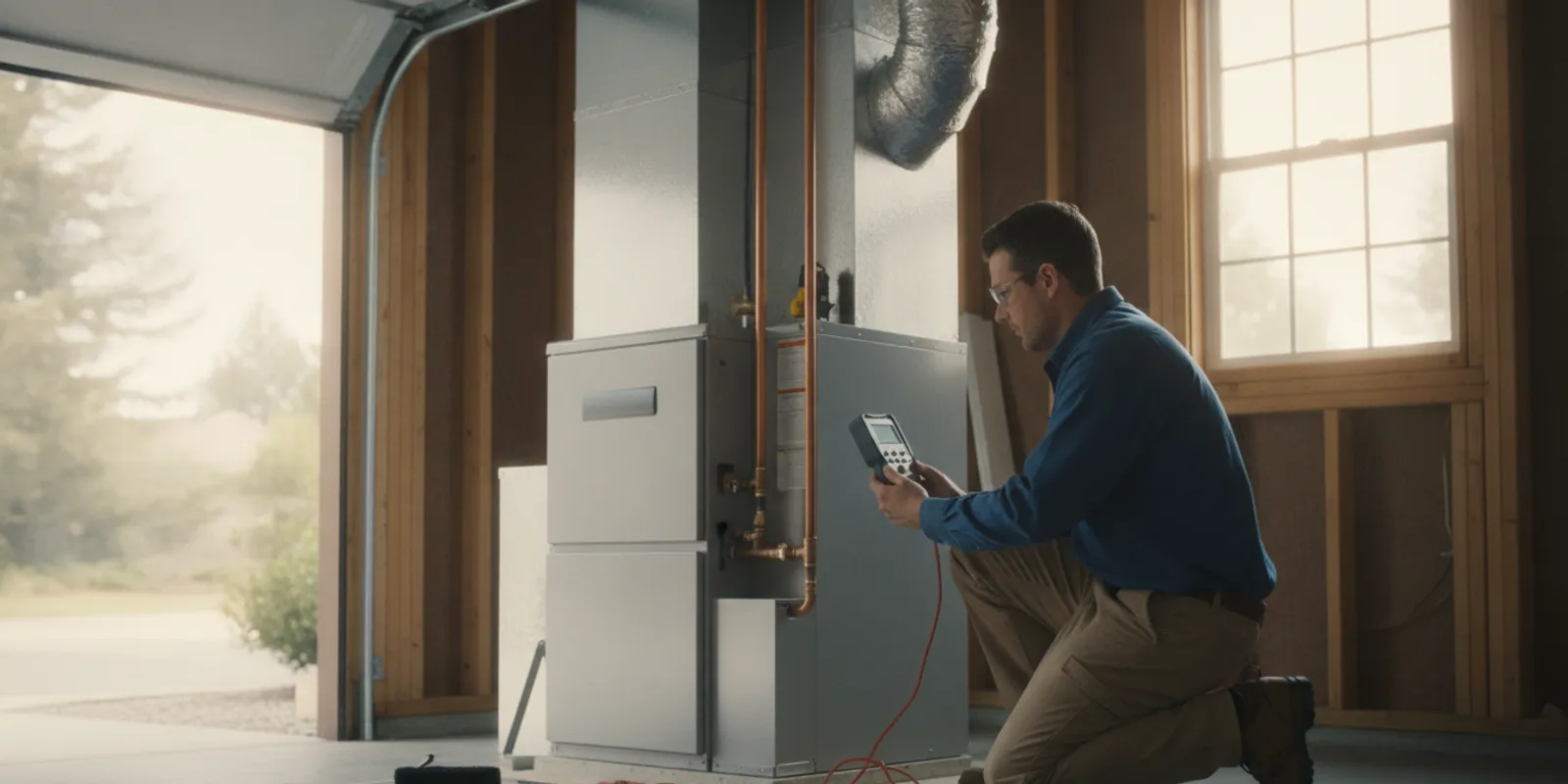
When heating or cooling stops working as expected, the first priority is to understand what changed and whether it is safe to keep using the system. This guide to hvac repair livermore explains how to make a few safe observations, what details to gather, and what to expect when arranging professional service. The same approach can help homeowners and business operators describe a problem clearly without guessing at its cause.
Contact Airteks to discuss your HVAC repair
What should you do first when an HVAC system has a problem?
Start with the symptom, not a guess about the cause. Note whether the issue affects heating, cooling, airflow, temperature control, or more than one part of the system. Check whether it began suddenly or developed over several days. These details help distinguish a local comfort concern from a system-wide failure and give a service provider a useful starting point.
If you notice smoke, sparking, a persistent burning odor, or a carbon monoxide alarm, prioritize safety. Leave the area if needed and contact the appropriate emergency services or utility provider. Do not open equipment panels or attempt electrical, fuel-system, or refrigerant repairs. For less urgent concerns, turn the system off if continued operation seems unsafe and arrange professional guidance.
For an ordinary comfort concern, record the thermostat setting and displayed mode, whether the indoor unit runs, and whether the outdoor equipment appears to operate. Avoid repeatedly switching the system on and off. A short, clear description is more useful than a long list of guesses. If only one room is affected, write that down rather than describing the whole property as having no heating or cooling.
Which safe checks can a homeowner or building contact make?
A few basic observations may identify a simple issue, but keep checks to controls and accessible household items. Do not remove panels, reach into equipment, climb to a roof, or handle wiring. If you are uncomfortable with any check, skip it and explain what you have noticed instead.
- Thermostat: Confirm it is set to the intended mode and temperature. Check that the screen is on and replace batteries if the model uses them and the battery compartment is accessible.
- Power: Look for an obvious tripped breaker only if you can do so safely. If it trips again after being reset once, stop and seek professional help rather than repeatedly resetting it.
- Air filter: If it is accessible, inspect the filter. A heavily loaded filter can restrict airflow. Replace it with the correct size and orientation if you know how; do not force a filter into place.
- Supply and return vents: Make sure registers are not blocked by rugs, furniture, cartons, or stored items. In a business, check whether equipment, temporary partitions, or recent changes are affecting airflow.
- Water or ice: Look from a safe distance for visible water near the indoor unit or ice on accessible refrigerant lines. Do not chip ice, pour chemicals into a drain, or touch electrical parts.
These observations do not replace diagnosis. If the system still performs poorly, makes unusual noises, leaks, or repeatedly shuts down, arrange an inspection. Airteks describes its residential HVAC services for homeowners who need help with heating and cooling systems. Businesses can review commercial HVAC services to see the types of commercial support the company offers.
What details help a technician diagnose the problem?
A little preparation can make the first conversation and visit more productive. Write down the following, even if you are not sure what the details mean:
- The exact symptom and the rooms or areas affected.
- When it started, and whether it is constant, intermittent, or tied to a particular time of day.
- Any recent changes, such as a power interruption, thermostat adjustment, renovation, change in occupancy, or unusual weather.
- Whether the system runs continuously, stops quickly, makes repeated start attempts, or does not start at all.
- Any visible water, ice, unusual odor, or sound, without touching the equipment.
- The approximate age of the system, if known, and any recent service or repair history.
- For a business, which rooms, tenant spaces, or operating areas are affected and whether the issue interferes with normal operations.
Photos of a thermostat display or visible water can help explain what you observed. Do not take pictures that require climbing onto a roof, entering a restricted area, or removing a cover. If you are arranging HVAC repair, explain whether the property is a home or a business and describe access instructions, hours, or approval requirements that may affect the visit.
How to turn a symptom into a useful service description
Try to describe what the system does, when it happens, and what changes when it happens. For example: “The upstairs bedrooms are warmer than the rest of the house, the thermostat is set to cooling, and airflow seems weaker than last week.” That is more actionable than “the AC is broken.” For a commercial property, a concise description might be: “The conference area is not cooling during afternoon occupancy, while nearby offices remain comfortable.” These examples report observations without suggesting a diagnosis.
If the problem comes and goes, record two or three instances with approximate times and conditions. Note whether doors were open, the space was unusually busy, or the system had just started. Do not delay a needed call to build a perfect log; the purpose is simply to help explain a pattern that might otherwise be hard to reproduce.
What happens during an HVAC repair visit?
A repair visit generally begins with a conversation about the complaint and a review of the equipment. The technician may inspect accessible components, check controls and airflow, and use appropriate diagnostic tools to narrow down the cause. The exact steps depend on the system and symptom. Training information from the Pipe Trades Training Center describes HVACR service technicians as working on maintenance, repairs, and troubleshooting, which are central parts of evaluating a reported system problem.
Before work begins, ask what was found, what repair is proposed, and whether there are alternatives. A useful explanation should connect the symptom to the finding and clarify what the proposed work is intended to correct. Ask whether any additional work is optional or necessary for safe operation, what the work includes, and what the next step would be if the symptom returns.
It is reasonable to ask for unfamiliar terms to be explained in plain language. If the technician identifies a failed part, ask what role it plays and how the finding relates to the symptom you reported. If the cause is not yet clear, ask what additional testing is needed and whether that testing is included in the current visit or would be a separate step. The goal is to understand the diagnosis and scope before authorizing work.
Do not assume every repair requires replacing the entire system. In some cases, a component or control issue may be addressed; in others, age, condition, recurring failures, or the needs of the property may make a broader conversation appropriate. The decision should be based on the equipment's condition and the options explained for your specific situation.
How should you compare repair and replacement options?
There is no single age or symptom that determines whether repair or replacement is right. Compare the immediate problem, the system's overall condition, likely future needs, and the scope of each option. Ask for clear written details so you can evaluate like-for-like choices. If several areas are affected, clarify whether the proposal addresses the whole system or only the specific symptom that prompted the visit.
| Option | What it addresses | Questions to ask |
|---|---|---|
| Repair a specific fault | A diagnosed component, control, or operating problem | What caused the symptom? What work and parts are included? What should I watch for afterward? |
| Further diagnosis | An intermittent or unclear problem that needs more testing | What information or testing is still needed? What is safe to do while waiting? What will the next diagnostic step clarify? |
| System replacement discussion | Broader concerns about condition, recurring issues, or system needs | What alternatives are available? How do capacity, existing ductwork, controls, and installation scope affect the proposal? |
| Maintenance follow-up | Preventive inspection and routine care after repair or as a separate need | Which tasks are included, how often are visits planned, and what is outside the scope? |
Compare the written scope, parts and labor described, timing, and any stated limitations. Do not compare only a headline price if one proposal includes different work. For a replacement proposal, ask whether existing ductwork, thermostats, electrical service, or other site conditions are part of the scope or require separate consideration. For repair, ask whether the recommendation restores operation, addresses an underlying contributing issue, or only resolves a portion of the concern.
Airteks also explains its HVAC maintenance services, which may be relevant when you want to discuss routine care after the immediate issue is resolved. If you are considering a larger equipment decision, reviewing the company's HVAC company information can help you understand its broader heating and cooling service role.
How do repair priorities differ for homes and businesses?
The troubleshooting principles are similar, but the information needed can differ. A homeowner may focus on comfort in a few rooms, thermostat behavior, and access to indoor and outdoor equipment. A business contact may also need to describe operating hours, areas used by staff or customers, equipment serving multiple zones, and any building access or approval process.
For a home, note whether the concern is limited to one floor or one room. If the rest of the house is comfortable, share that distinction. If a thermostat was changed recently or a filter was replaced, mention the timing. Avoid adjusting several settings at once because it can make the original pattern harder to understand.
For a business, identify the building contact who can explain the symptom and approve work. If the system serves multiple suites or zones, say which areas are affected and whether the issue is consistent across them. Give the service provider any relevant access instructions before the appointment. Do not ask employees to open equipment or perform checks outside their role.
Airteks serves residential and commercial customers across Northern California. For property-specific context, use its Livermore HVAC service page or its service area information. These pages can help readers identify the right service context without assuming that every property has the same equipment or needs.
When should you request professional HVAC service?
Arrange professional help when the system cannot maintain a comfortable temperature, stops repeatedly, produces unusual noises or odors, has visible water or ice, or shows signs of poor airflow that do not improve after safe basic checks. Prompt attention can help clarify whether the cause is a control setting, airflow restriction, electrical issue, refrigerant-related concern, or another fault. Only a qualified professional can assess the equipment and recommend work.
Treat smoke, sparking, a carbon monoxide alarm, or a persistent burning smell as a safety matter rather than a routine comfort complaint. Follow alarm instructions and contact appropriate emergency services or the utility provider if needed. Do not restart equipment that appears unsafe merely to see whether the problem has gone away.
For urgent HVAC issues, Airteks notes 24/7 emergency availability in its company information. Availability and response depend on the situation, so explain the symptom and ask what service options are currently available. This is not a reason to delay emergency safety steps or to assume a particular arrival time.
How can you prepare the property and plan the follow-up?
Make access straightforward: clear the area around indoor equipment, ensure the thermostat is easy to reach, and secure pets. If equipment is in an attic, garage, or other restricted space, tell the service provider about access limitations before the visit. Do not move heavy objects or climb into an unsafe area to prepare. For a rental or managed property, confirm who can approve work and provide the technician with the right contact.
For a business site, arrange access to relevant mechanical spaces and identify any sign-in, escort, or scheduling requirements. Tell staff who will coordinate the visit so observations do not get lost between departments. If the equipment serves more than one tenant or operating area, ask the building contact to gather a brief description from each affected area before service, without requesting anyone to inspect the equipment itself.
After service, keep the written findings and note the date, work performed, and any follow-up advice. Ask how to recognize a recurrence and what information to provide if it happens. If the system serves more than one area, track which rooms are affected. A brief record can be valuable for future troubleshooting and can help distinguish a repeat of the same concern from a new symptom.
Airteks discusses both home heating and cooling support and commercial HVAC service across its service offerings. For an existing customer, keeping previous service notes together can make later conversations clearer. For a new request, sharing a concise summary of the symptoms and property type is a useful first step.
Call Airteks at (510) 719-0621 to discuss HVAC service
Frequently Asked Questions
Can I troubleshoot my HVAC system myself?
You can check thermostat settings, an accessible filter, and unobstructed vents. Leave electrical, fuel, refrigerant, and internal equipment work to a professional. Stop if a breaker trips again or you see signs of unsafe operation.
Should I turn off a system that is not heating or cooling properly?
If you notice smoke, a persistent burning odor, sparking, water near electrical components, or another safety concern, stop using the equipment and seek appropriate help. For a system that simply underperforms, avoid repeated cycling and ask a service professional for guidance.
What should I tell the service provider?
Describe the symptom, when it began, which rooms or business areas are affected, what the thermostat shows, and any visible water, ice, odor, or sound. Mention recent changes and access constraints, but do not attempt risky inspections to gather more information.
Does every HVAC problem mean the system needs replacement?
No. Some problems can be addressed with a repair, while others call for more diagnosis or a discussion of replacement. Ask the technician to explain the finding and compare the proposed options for your system.
What is the next step for HVAC repair in Livermore?
Start with a clear description of the issue and safe observations, then ask for an explanation of the diagnosis and proposed work. Compare the scope and follow-up rather than making a decision from a symptom or a headline price alone. A careful conversation can help you choose an option that fits the equipment and the property's needs.
Comments