
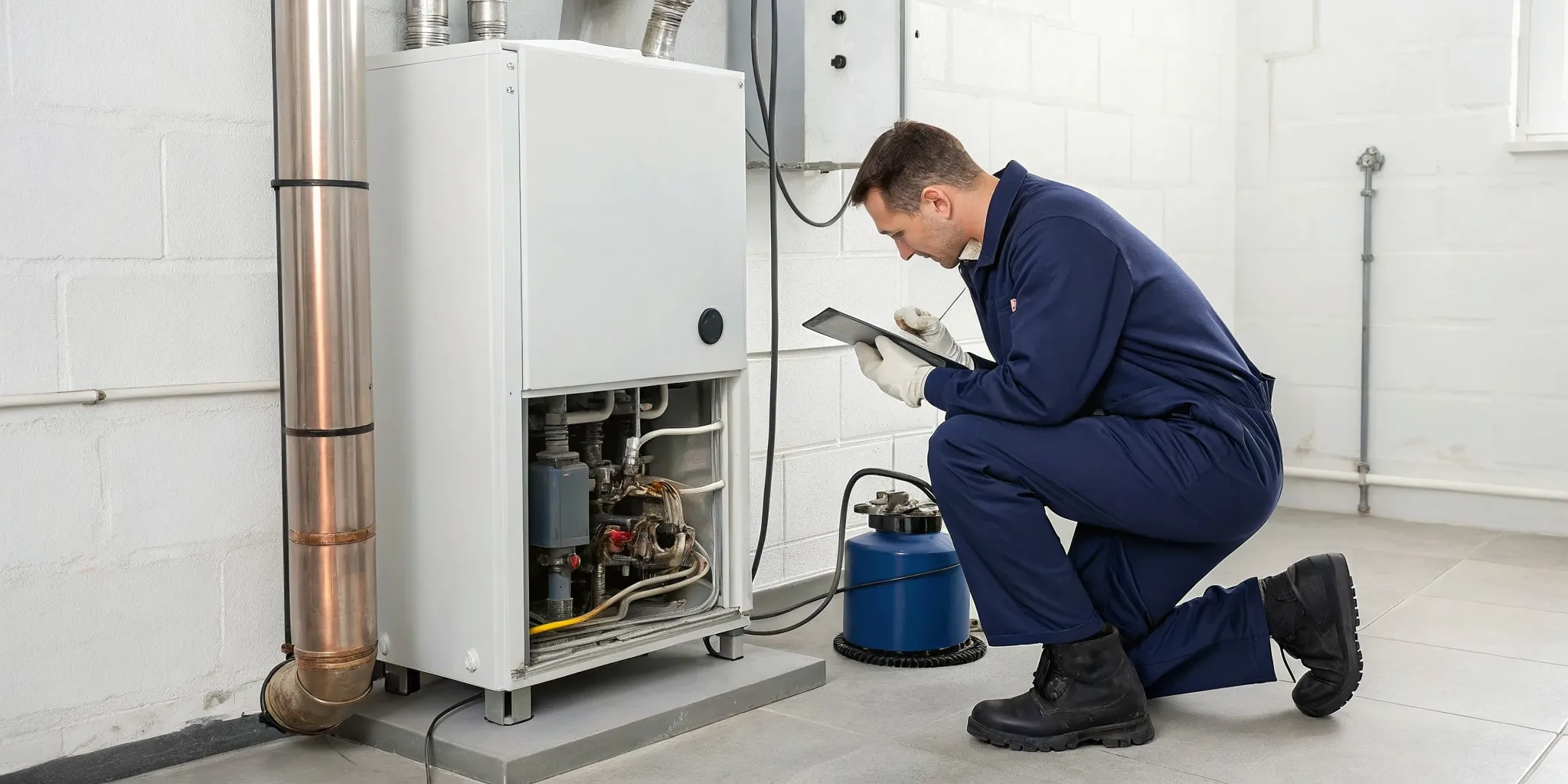
No one wants to wake up to a freezing house and the sudden, stressful expense of an emergency heating repair. Yet, many homeowners risk exactly that by skipping their annual furnace maintenance. Think of it this way: you get your car’s oil changed to prevent the engine from failing, not because it has already broken down. A furnace tune-up works on the same principle of preventative care. While you might hesitate at the initial furnace tune up cost, it is a fraction of what you’d pay for a major breakdown. A planned service call gives a technician the chance to find and fix small issues before they become expensive, middle-of-the-night emergencies, saving you money and a major headache.
Key Takeaways
- Think of it as preventative care: An annual tune-up is a small investment that pays off by lowering your energy bills, preventing expensive emergency repairs, and helping your furnace last longer.
- Timing is everything: Schedule your tune-up once a year, ideally in the fall, to get the best pricing and availability. This ensures your system is safe and ready before you actually need it.
- Leave it to the professionals: A furnace tune-up is not a DIY project. A licensed technician performs critical safety checks for issues like gas leaks and carbon monoxide, tasks that require specialized training and tools to protect your home.
What Is a Furnace Tune-Up?
Think of a furnace tune-up as a yearly physical for your home’s heating system. It’s a professional service designed to inspect, clean, and adjust your furnace to ensure it runs safely and efficiently. The main goal is preventative care. A technician can spot and fix small, developing issues before they turn into major breakdowns, which always seem to happen on the coldest night of the year.
Regular maintenance isn't just about avoiding costly repairs; it's also about safety and performance. A well-maintained furnace uses less energy, which can help lower your utility bills. It also gives you peace of mind knowing that your system is operating correctly, without risks like gas leaks or poor ventilation. It’s a simple, proactive step that keeps your home warm and your family safe all winter long.
What Does a Tune-Up Actually Include?
When a professional technician arrives for a tune-up, they perform a comprehensive check of your entire system. While the exact checklist can vary slightly, a thorough service always covers the essentials. The technician will inspect and test all electrical and mechanical components for wear, clean critical parts like the burners and flame sensor, and lubricate any moving parts to reduce friction.
A key part of any tune-up is the safety inspection. This includes checking for dangerous carbon monoxide leaks, ensuring proper ventilation, and testing all safety controls. After cleaning and inspecting, the technician will run the furnace to test its performance, making small adjustments to ensure it heats your home as efficiently as possible. These routine heating services are vital for keeping your system in top shape.
How Tune-Ups Differ for Gas, Electric, and Oil Furnaces
While every furnace tune-up shares the same goal of ensuring safe and efficient operation, the specific tasks depend on your furnace’s fuel source.
- Gas Furnaces: The focus is on the combustion process. A technician will clean the burners, check the gas pressure, and inspect the heat exchanger for any cracks, which could lead to a carbon monoxide leak.
- Electric Furnaces: Since there’s no flame, the tune-up centers on electrical components. This involves checking the heating elements, inspecting wiring, and testing sequencers that control the flow of electricity.
- Oil Furnaces: These require a bit more hands-on work. A tune-up typically includes replacing the oil filter and nozzle, and cleaning soot from the heat exchanger to maintain efficiency.
Because of these differences, the time and complexity can vary. If you have questions about your specific system, it's always best to contact a professional for advice.
How Much Should a Furnace Tune-Up Cost?
Now that you know what a furnace tune-up involves, let's talk about the investment. The price can vary quite a bit, but understanding the typical costs and what influences them will help you budget wisely and spot a good deal. Think of it not as a cost, but as an investment in your home's comfort, safety, and efficiency. A small expense now can prevent a much bigger headache later. We'll break down the average prices, compare them to repair costs, and even look at how the time of year can affect what you pay.
Understanding the Average Price
So, what’s the bottom line? Generally, you can expect a furnace tune-up to cost between $100 and $300. The final price often depends on how thorough the service is. A basic inspection might land on the lower end of that scale, around $100 to $200. However, a more comprehensive maintenance service, which includes deeper cleaning and more detailed checks, typically runs from $150 to $300. While it can be tempting to go for the cheapest option, remember that a lower price might mean a less detailed inspection. It's always a good idea to ask what's included to ensure you're getting a complete service that truly protects your system.
Tune-Up vs. Repair: A Cost Comparison
Investing in a yearly tune-up is almost always cheaper than paying for an emergency repair. Think of it as preventative care for your home. While a tune-up costs a couple hundred dollars, most furnace repairs start around $100 and can easily climb to $600 for common issues. If you’re dealing with a more complex problem, like a failed motor or a cracked heat exchanger, you could be looking at a bill of over $1,200. Scheduling routine heating system repair and maintenance helps catch small issues before they become expensive breakdowns, saving you money and stress in the long run.
Does the Time of Year Affect the Price?
Yes, the season can definitely influence the cost of a furnace tune-up. HVAC companies are busiest during the peak of winter and summer, when heating and cooling systems are working their hardest and are most likely to fail. During these rush periods, you might find that prices are higher and scheduling is less flexible. To get the best value, try booking your furnace tune-up during the shoulder seasons, like early fall or spring. Not only are you more likely to find a better price, but you'll also have your system ready to go before you actually need it.
What Factors Affect the Price of a Tune-Up?
When you start looking for a furnace tune-up, you’ll quickly notice that prices can be all over the map. There isn’t a single, standard price because several key things can change the final cost. Think of it like getting a car serviced; a simple oil change costs less than a full diagnostic and parts replacement. The same logic applies to your home’s heating system. Understanding what goes into the pricing helps you spot a fair deal and avoid quotes that seem too good to be true.
The final price tag for a tune-up often comes down to three main things: the kind of furnace you have, where your home is located, and exactly what the technician will do during the visit. A company that gives you a flat price over the phone without asking any questions might be cutting corners. A trustworthy contractor will consider these factors to give you an accurate estimate for the specific residential services your system needs. Let’s break down each of these factors so you know exactly what to expect.
Your Furnace's Type and Age
The kind of furnace heating your home is a major factor in the tune-up cost. Gas furnaces are the most common and typically have a straightforward maintenance process. However, oil and electric furnaces often require more specialized work, which can increase the price. For example, an oil furnace involves cleaning soot and changing filters and nozzles, which is a bit more intensive. The age of your unit also matters. An older furnace might need more time for a thorough inspection, and finding replacement parts for vintage models can sometimes be a challenge, adding to the overall service time and cost.
Where You Live
Your zip code plays a bigger role than you might think. Labor rates and operating costs for businesses vary from one city to another, so a tune-up in Pleasanton might be priced differently than one in Sacramento. Seasonality also affects cost. If you wait until the first cold snap to call for a tune-up, you’ll be competing with everyone else who had the same idea. HVAC companies are busiest during extreme weather. To get a better price and more flexible scheduling, try booking your tune-up during the milder months of spring or fall. You can always contact us for a quote based on your location.
The Specific Services Included
Not all tune-ups are created equal. A suspiciously low price often points to a very basic inspection rather than a comprehensive maintenance service. A thorough tune-up should include a detailed checklist of tasks, such as cleaning the burners and flame sensor, checking electrical connections, testing safety controls, and inspecting the heat exchanger for cracks. A quick look-over won’t do much to prevent future breakdowns. When you get a quote, always ask what’s included. A quality tune-up is an investment in your furnace’s health and your family’s safety, not just a box to check.
Telltale Signs Your Furnace Needs a Tune-Up
Your furnace usually gives you a heads-up before it decides to quit on a cold night. Think of it like a car; it starts making funny noises or running less efficiently long before it leaves you stranded. Paying attention to these early clues can save you from a major headache and an expensive emergency repair. If you notice your system acting differently, it’s likely time to schedule a tune-up. Here are the three biggest signs that your furnace is asking for a little professional attention.
You Hear Strange Noises or Smell Something Burning
Your furnace has a normal operating hum, but anything outside of that deserves a closer look. If you start hearing loud banging, rattling, or high-pitched squealing, don't just turn up the TV to drown it out. These sounds often point to a problem, like a loose component, an issue with the blower motor, or a failing belt. Similarly, while a faint dusty smell is common the first time you fire up the furnace for the season, a persistent burning odor is a major red flag. It could signal an electrical issue or an overheating motor. For your safety, turn off the system and call for a heating system repair right away.
Your Home Heats Unevenly or Airflow Is Weak
Do you find yourself wearing a sweater in the living room while someone else is sweating in the bedroom? When rooms heat unevenly or you notice weak airflow from your vents, your furnace is struggling to do its job. This could be caused by something as simple as a clogged filter, but it can also indicate more serious issues like leaky ductwork or a failing blower fan. A furnace that isn't heating your home effectively has to run longer and work harder, which puts extra strain on its parts. A professional tune-up can identify the root cause, whether it’s in the furnace itself or the duct system, ensuring warm air circulates properly through all your residential services areas.
Your Energy Bills Are Climbing
One of the most subtle but telling signs of a furnace in distress is a sudden spike in your energy bills. If your usage habits haven't changed but your heating costs are going up month after month, your furnace's efficiency is likely declining. As parts wear down and dirt builds up, the system has to burn more fuel or use more electricity to generate the same amount of heat. It’s working overtime just to keep up. Tracking your utility costs is a great way to monitor your furnace's health. If you see an unexplained upward trend, it’s a good idea to contact us to have a technician take a look. A tune-up can restore its efficiency and get those costs back under control.
How Often Do You Really Need a Furnace Tune-Up?
Let's get straight to the point: the gold standard for furnace maintenance is to have a professional tune-up once a year. Think of it like your annual physical or your car's oil change. It’s not about waiting for something to break; it’s about proactive care that keeps the system running smoothly and safely. An annual inspection allows a technician to spot small issues, like worn-out parts or minor blockages, before they snowball into major, expensive repairs that leave you without heat on a freezing night.
The best time to schedule this service is in the fall, before you need to rely on your furnace daily. Getting it checked out in September or October means you’ll have peace of mind when the first cold front rolls through the Bay Area. Plus, you’ll avoid the rush of homeowners who waited until their furnace wouldn't turn on to call for help. Planning ahead ensures your system is clean, efficient, and ready for winter.
While some people might try to stretch it to every other year, most furnace manufacturers recommend an annual service to maintain performance and validate your warranty. Major brands like Carrier emphasize that a yearly check is the best way to ensure efficiency and catch potential problems early. For homes with separate heating and cooling units, many homeowners opt for twice-a-year HVAC maintenance: one visit for the AC in the spring and another for the furnace in the fall. For most households, however, that single annual furnace tune-up is the perfect frequency to ensure a warm and worry-free winter.
Why Skipping a Tune-Up Is a Safety Risk
Putting off your annual furnace tune-up can feel like a harmless way to save a few bucks, but it introduces some serious safety concerns for your home. A furnace is a complex piece of equipment that burns fuel to create heat. When it’s not working correctly, it can become a hazard. Think of a tune-up as a preventative health screening for one of your home's most important systems. It’s a chance for a trained professional to spot and fix minor issues before they become dangerous and expensive problems, giving you peace of mind all winter long.
The Dangers of Carbon Monoxide and Gas Leaks
One of the most critical reasons to schedule a tune-up is to check for fuel and exhaust leaks. During a professional inspection, a technician will carefully examine your system for gas leaks and check the integrity of the heat exchanger. This component is what separates the air you breathe from the combustion process. Over time, tiny, hard-to-see cracks can form in the heat exchanger. Even a small fracture can allow colorless, odorless carbon monoxide to seep into your home's air supply, posing a significant health risk to your family. A thorough tune-up confirms these crucial safety components are working exactly as they should.
How It Affects Your Home's Air Quality
Beyond the immediate safety risks, a neglected furnace can have a big impact on your home's indoor air quality. Over a season of use, your furnace system accumulates dust, dander, and other allergens. When you turn it on without a proper cleaning, it circulates those particles throughout your home. A key part of any tune-up is cleaning the system and replacing the air filter. This simple step traps airborne pollutants before they can get into the air you breathe. If anyone in your family deals with allergies or asthma, you'll notice the difference. Cleaner air means fewer irritants, helping everyone breathe a little easier.
Is a Furnace Tune-Up Really Worth It?
Let's be honest, when you’re juggling a budget, adding another expense like a furnace tune-up can feel like a chore. It’s easy to think, "If it’s still making heat, it must be fine, right?" But treating your furnace like a set-it-and-forget-it appliance is one of the quickest ways to run into expensive problems down the road. Think of it like the regular oil changes your car needs. You don’t wait until the engine seizes to take it to the mechanic; you perform routine maintenance to keep it running smoothly and prevent a total breakdown.
A furnace tune-up is the exact same idea. It’s a proactive step that ensures your system is safe, efficient, and reliable. For a relatively small upfront cost, you get peace of mind knowing a professional has inspected, cleaned, and calibrated your entire heating system. This single service can save you money on monthly bills, help you avoid the stress of a mid-winter breakdown, and even extend the life of your furnace. So, is it worth it? Absolutely. It’s an investment in your home’s comfort, safety, and your financial well-being.
Save Money on Your Energy Bills
One of the most immediate benefits of a furnace tune-up is the impact on your wallet. Over a year of operation, dust and debris build up on internal components, forcing your system to work harder to produce the same amount of heat. A well-tuned furnace, on the other hand, runs at peak efficiency. During a routine maintenance visit, a technician cleans and calibrates these parts, allowing your system to use less energy.
This directly translates to lower monthly heating bills. When your furnace doesn’t have to strain to keep you warm, it consumes less gas or electricity. It’s a simple change that adds up to significant savings over the course of a heating season, all while reducing your home's environmental footprint.
Prevent Expensive Breakdowns
No one wants to wake up to a freezing house in the middle of January. Regular maintenance helps you sidestep those big, costly emergency repairs by catching small issues before they spiral out of control. During a tune-up, a technician performs a thorough inspection, looking for worn belts, cracked heat exchangers, or faulty ignition systems. Finding these problems early is the key.
A professional inspection is a small investment that can save you from a four-figure repair bill. It’s far better to replace a minor part during a scheduled visit than to pay for an emergency heating repair on the coldest night of the year. A tune-up gives you the confidence that your furnace is ready to handle the winter without any unwelcome surprises.
Extend Your Furnace's Lifespan and Protect Your Warranty
Your furnace is one of the most expensive appliances in your home, and you want it to last as long as possible. Just like a car, your furnace’s longevity depends on consistent care. An annual tune-up keeps all the mechanical parts lubricated and clean, reducing wear and tear and helping you get the most out of your investment. A well-maintained furnace can last years longer than one that's been neglected.
Beyond that, there’s your warranty to consider. Many manufacturers’ warranties actually require proof of annual maintenance to remain valid. If your furnace breaks down due to a problem that a tune-up could have prevented, your warranty claim could be denied. Scheduling regular service is a simple step to protect your coverage and ensure you don’t have to contact us for a costly, out-of-pocket replacement.
Let's Bust Some Common Furnace Tune-Up Myths
When it comes to furnace maintenance, there's a lot of conflicting advice out there. It can be tough to separate fact from fiction, especially when you're trying to make the best decision for your home and your budget. Some of these myths sound reasonable on the surface, which is why they stick around. You might hear them from a well-meaning neighbor or see them in an online forum. But following bad advice can lead to bigger problems, from higher energy bills to an unexpected breakdown on a freezing day. That's why I want to clear the air and tackle some of the most common myths I hear about furnace tune-ups. Getting the right information will help you feel confident about keeping your heating system running smoothly and safely all winter long.
Myth: "If it's not broken, don't fix it."
I understand this logic. Why spend money on something that seems to be working just fine? But waiting for your furnace to break down on the coldest night of the year is a recipe for stress and a much bigger bill. Think of it like your car; you get regular oil changes to prevent the engine from seizing, not because it has already stopped working. A proactive tune-up is a small investment in prevention. The typical tune-up is a minor expense compared to an emergency repair, which can easily cost thousands. An annual check-up allows a technician to spot worn-out parts, fix minor issues, and ensure your system runs efficiently, saving you from a costly and uncomfortable surprise breakdown.
Myth: "I can just do it myself."
I love a good DIY project, but a furnace tune-up is one job that’s best left to the pros. While changing your furnace filter is a great task for homeowners, a true tune-up goes far beyond that. Some people think they can just vacuum out some dust and call it a day, but a certified HVAC technician is needed to perform a thorough and safe inspection. Our technicians check gas pressure, test safety controls, clean and inspect the burner, and look for any signs of dangerous carbon monoxide leaks. These are highly technical tasks that require specialized tools and training to ensure your system is not only efficient but, more importantly, safe for your family. Our residential services are designed to give you complete peace of mind.
Myth: "All tune-ups cost the same."
If you see a one-price-fits-all furnace tune-up advertised for a suspiciously low price, it’s wise to be cautious. The reality is that the cost can vary quite a bit. The price of a quality tune-up depends on several factors, including the type of furnace you have (gas, electric, or oil), its age, and the specific services included in the maintenance checklist. An older, more complex system may require more time and attention than a brand-new one. A reputable company will be transparent about what their tune-up includes. Don't hesitate to ask for a detailed list of tasks so you know exactly what you're paying for. For a clear quote based on your specific system, it's always best to contact us directly.
How to Find a Trustworthy HVAC Contractor
Finding a contractor you can trust with your home’s heating system can feel like a big task, but it doesn’t have to be complicated. A little bit of homework upfront can save you from headaches and unexpected costs down the road. By focusing on a few key areas like credentials and communication, you can confidently choose a professional who will do the job right.
Check for Proper Licensing and Insurance
Before you even think about quotes, make this your first step. A reputable HVAC contractor must have the proper state-issued license. This isn't just a piece of paper; it’s proof that they have the training and knowledge to work on your furnace safely and correctly. You can easily verify their license online to confirm it's active and in good standing.
Equally important is insurance. The contractor should carry both liability insurance and workers' compensation. This protects you from any financial responsibility if an accident or damage occurs on your property during the tune-up. Don’t be shy about asking for proof of both, a professional company will have it ready.
Key Questions to Ask Before You Hire
Once you've confirmed a contractor is licensed and insured, asking a few key questions can help you find the perfect fit. Start by inquiring about their experience, especially with your type of furnace. A company that has been in business for a long time has likely seen it all and can handle any issue that comes up.
Next, ask for a detailed, written quote. A trustworthy contractor will provide a clear breakdown of what’s included in the tune-up, so you know exactly what you’re paying for. Finally, check their reputation. Look at online reviews and ask for references. Hearing from past customers is one of the best ways to gauge the quality of their work and customer service.
Ready to Schedule Your Furnace Tune-Up?
If you're ready to schedule your furnace tune-up, you're making a smart move to keep your home comfortable and your system in top shape. Naturally, one of the first questions is about cost. While prices can vary based on your location and the specifics of the service, you can generally expect a furnace tune-up to cost between $70 and $300. It’s helpful to think of this not as a cost, but as an investment in your home’s efficiency and your peace of mind for the coming season.
So, what accounts for that price range? A basic inspection, which includes checking key components and safety controls, will typically be on the lower end. A more comprehensive furnace maintenance service, which involves a deeper cleaning and more detailed adjustments, will be on the higher side. Many HVAC companies also offer annual plans that bundle services for both your heating and cooling systems, which can be a convenient and cost-effective option. The goal is to find a service that fits your system's needs and your budget.
Ultimately, a tune-up is about more than just a number on an invoice. It’s a proactive step that helps our technicians spot small issues before they become major, expensive repairs. Regular maintenance ensures your furnace operates safely and efficiently, which can save you money on energy bills throughout the winter. We provide honest recommendations and quality workmanship for both residential properties and commercial buildings across the Bay Area, Central Valley, and Sacramento.
When you're ready to get a precise quote and put your tune-up on the calendar, the next step is simple. Contact us directly, and our team will walk you through what’s included in our service, answer any questions you have, and find a time that works for you.
Frequently Asked Questions
How long does a typical furnace tune-up take? You can expect a thorough furnace tune-up to take about 60 to 90 minutes. The exact time can vary a little depending on the type of furnace you have, its age, and how easy it is for the technician to access. Our goal is to be comprehensive, not quick, so we take the time needed to properly inspect, clean, and test every part of your system.
What happens if the technician finds a problem during the tune-up? Finding a problem is actually one of the main goals of a tune-up, since it lets us fix things before they cause a breakdown. If our technician discovers an issue, they will stop and explain the situation to you clearly. They will show you the problem, discuss your options for repair, and provide a straightforward price for the work. We never perform any repairs without your explicit approval first.
My furnace is brand new. Does it still need a tune-up? Yes, it’s a great idea to get a tune-up even for a new furnace. Most manufacturers actually require proof of annual maintenance to keep your warranty valid. Think of that first-year tune-up as a way to protect your investment. It ensures your new system is running at peak efficiency from the start and confirms that everything was installed and is operating correctly.
Is changing my filter enough, or do I still need a professional tune-up? Changing your filter regularly is a fantastic habit that definitely helps your furnace run better. However, it doesn’t replace the need for a professional tune-up. A tune-up is a much deeper service where a technician inspects electrical components, cleans the burners, checks for gas leaks, and tests critical safety controls. These are tasks that require specialized tools and training to ensure your system is both efficient and safe.
Will a tune-up guarantee my furnace won't break down this winter? A tune-up is the single best step you can take to prevent a mid-winter breakdown, but no service can offer a 100% guarantee against all possible mechanical issues. What it does is drastically reduce the likelihood of failure by catching and correcting common problems like worn parts and dirty components. It gives you peace of mind knowing your system is in the best possible shape to handle the cold season ahead.
Comments