
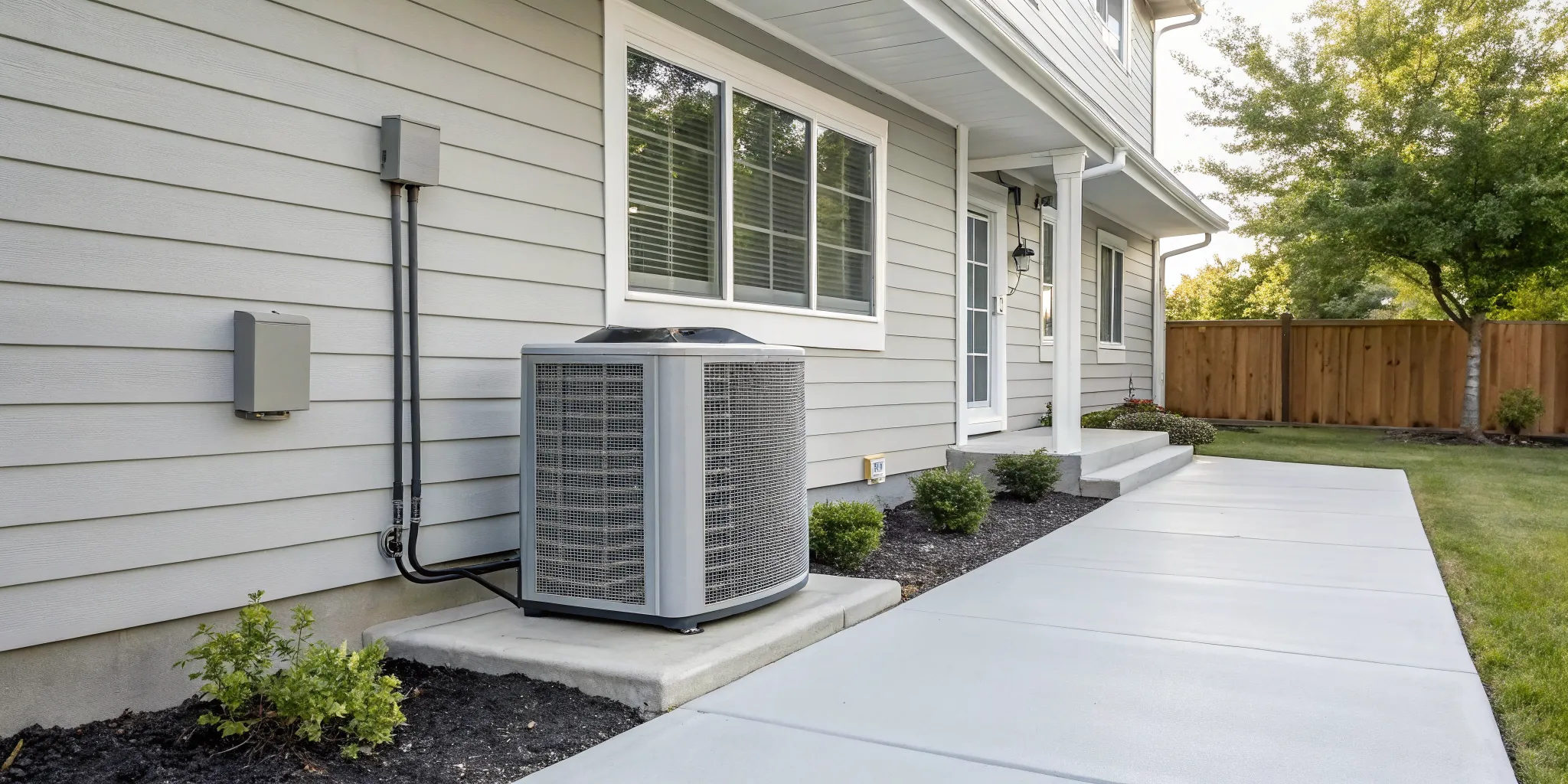
A new air conditioner does more than just cool your home; it upgrades your entire living environment. Modern systems offer benefits that older units simply can't match, including lower energy bills, quieter operation, and much better air quality. If you’re still using an older model, you could be missing out on a more comfortable and efficient home. This guide will explore all the advantages of upgrading. We’ll show you why it’s a smart financial move and how choosing to replace your air conditioner with a new, high-efficiency model is an investment in your family’s comfort and health.
Key Takeaways
- Know when it's time for an upgrade: Pay attention to warning signs like age (10+ years), frequent repairs, and rising energy bills. A proactive replacement prevents a mid-summer breakdown and leads to better comfort and lower monthly costs.
- Select the right system for your home: Your home's size, layout, and ductwork determine the best fit. Whether it's a traditional central AC, a flexible ductless mini-split, or an all-in-one heat pump, the goal is to match the technology to your specific comfort needs.
- Insist on a quality installation: The best air conditioner will underperform if installed incorrectly. To protect your investment, hire a licensed contractor who performs a proper home assessment, inspects your ductwork, and provides a detailed, written estimate.
Is It Time for a New Air Conditioner?
Deciding to replace your air conditioner is a big investment, and you want to be sure you're making the right call. How do you know if a simple repair will do the trick or if it's time to say goodbye to your old unit? Thankfully, your AC will usually give you a few clues. If you're noticing any of the following signs, it might be time to start planning for a replacement. These symptoms often point to a system that’s working harder than it should, costing you money and comfort. Paying attention to these warnings can help you make a proactive choice instead of waiting for a complete breakdown on the hottest day of the year.
Your unit is over 10 years old
The average central air conditioner has a lifespan of about 10 to 15 years. Of course, this can vary based on how well it's been maintained, how often you use it, and the quality of the original unit. If your system is entering its second decade, it’s living on borrowed time, even if it seems to be running fine. An older unit is simply not as efficient as modern systems. Continuing to run it means you're missing out on significant energy savings and more advanced cooling technology. Think of it as a good run, but it might be time to consider an upgrade before it fails unexpectedly.
You're facing frequent and expensive repairs
Are you on a first-name basis with your repair technician? While a one-off fix is expected now and then, your repair costs shouldn't become a new line item in your monthly budget. If you find that the cost of air conditioning repair is starting to add up, it's worth weighing that against the price of a new system. A good rule of thumb is if a repair costs 50% or more of what a new unit would, replacement is usually the smarter financial move. Constantly patching up an old, failing system can quickly become more expensive than investing in a reliable new one.
Your energy bills are climbing
If your utility bills are creeping up every summer without a change in your usage, your aging air conditioner is likely the culprit. As AC components wear out, the system has to work much harder to cool your home, consuming more electricity in the process. According to NerdWallet, newer units can be 30% to 50% more energy-efficient than models from just 10 years ago. While a new system is a significant upfront expense, the monthly savings on your energy bills can help it pay for itself over time, all while keeping your home more comfortable.
Your home feels unevenly cooled or uncomfortable
Do you have to deal with hot spots and cold spots throughout your house? Or maybe the system runs constantly, but your home never quite feels cool and comfortable. When an air conditioner struggles to distribute air evenly or maintain the temperature you’ve set, it’s a clear sign that it’s malfunctioning or undersized for your home's needs. Your AC has one main job: to keep you comfortable. If it’s failing at that fundamental task, no amount of repairs will fix an outdated or improperly sized system. It's a strong indicator that a replacement is on the horizon.
You notice strange noises, smells, or excess humidity
Your air conditioner should operate relatively quietly in the background. If you start hearing loud or unusual noises like grinding, squealing, or banging, it’s often a sign of a serious mechanical problem. The same goes for strange odors, such as a musty smell indicating mold in the unit or ductwork, or a burning smell that points to an electrical issue. Another red flag is excess humidity. If the air in your home feels sticky or damp, your system is no longer able to effectively remove moisture. These are all serious warning signs that your AC unit is failing and needs immediate attention from a professional.
Which Air Conditioning System Is Right for You?
Choosing a new air conditioner feels like a huge decision, because it is. The right system will keep your home comfortable for a decade or more, while the wrong one can lead to high energy bills and constant frustration. The best choice for your home depends on a few key things: your home’s size and layout, whether you have existing ductwork, your budget, and your long-term efficiency goals.
Think of it less like picking an appliance and more like designing a custom comfort solution for your family. The three main types of systems you’ll encounter are central air conditioning, ductless mini-splits, and heat pumps. Each one offers a different approach to cooling your space. Understanding how they work is the first step toward making a confident decision. We’ll walk through each option so you can figure out which system aligns with your home’s needs and your family’s comfort.
Central air conditioning
If your home already has a network of ducts, a central air conditioning system is often the most straightforward replacement. These systems use an outdoor compressor and an indoor coil to cool air, which is then distributed throughout your home via the ductwork. It’s a classic for a reason, providing consistent, whole-home cooling from a single, powerful unit.
The most important factor with central AC is getting the size right. A unit that’s too large or too small will cycle improperly, waste energy, and fail to control humidity, which is a frequent issue we see in Bay Area homes. A professional assessment ensures your new system is perfectly matched to your home’s square footage and layout, giving you the performance and efficiency you expect from our residential services.
Ductless mini-split systems
What if your home doesn’t have ductwork? Or maybe you have a new addition, a converted garage, or just one room that’s always hotter than the rest. This is where ductless mini-split systems shine. These systems consist of an outdoor unit connected to one or more indoor units mounted high on a wall. Each indoor unit cools its specific room or "zone" independently.
This setup gives you incredible flexibility and efficiency. You can cool only the rooms you’re using, saving a lot of energy. Ductless mini-splits are a popular solution for older homes, additions, and anyone looking to solve uneven temperature problems without the expense and hassle of installing new ductwork.
Heat pumps
A heat pump is an all-in-one workhorse that handles both heating and cooling. In the summer, it functions just like a standard air conditioner, pulling heat out of your home and moving it outside. In the winter, it reverses the process, extracting heat from the outside air and bringing it inside to warm your home. They are incredibly energy-efficient, especially in the moderate climate of the Bay Area.
Because they move heat rather than create it, they use significantly less energy than traditional furnaces. With California increasingly focused on energy-efficient home solutions, choosing a heat pump is a smart, future-proof investment. Our team can help you determine if a heat pump is the right fit for your home’s heating and cooling needs.
Comparing costs by system type
When you think about cost, it’s helpful to look at both the upfront price and the long-term operating expenses. While a high-efficiency system might have a higher initial price tag, the energy savings can be substantial over the life of the unit. For example, a variable-speed system can save you thousands in energy costs over its lifespan compared to a basic single-stage model.
Generally, a full AC replacement can cost anywhere from $4,000 to $8,000, but this varies widely based on the system type, your home’s specific needs, and labor. The only way to get an accurate number is with a personalized quote. We can provide a detailed, transparent estimate that breaks down all the costs, so you know exactly what to expect when you contact us.
How Much Does a New Air Conditioner Cost?
Let's talk numbers. Replacing your air conditioner is a significant home improvement project, and the final price tag can vary quite a bit. Think of it less like buying an appliance off the shelf and more like a custom installation for your home. The total cost depends on the type of system you choose, the size of your home, the condition of your existing ductwork, and local labor rates. Generally, you can expect a full AC system replacement to cost between $4,000 and $8,000. However, for a large home or one that needs extensive new ductwork, that number can climb higher.
The key is to understand what goes into the final price. The cost isn't just for the physical AC unit; it also covers the professional expertise required for a safe and effective installation. Factors like your home's layout, insulation, and even the number of windows can influence which system is right for you and what the total investment will be. The best way to get a clear picture of the cost for your specific situation is to get a detailed, written estimate from a trusted HVAC professional. We can help you understand your options and provide an honest recommendation tailored to your home and budget when you contact us.
Unit costs by system
The biggest factor in your total cost is the air conditioning unit itself. A simple single-stage system, which always runs at full capacity, is the most budget-friendly option, typically costing between $4,500 and $7,000 to install. While the upfront price is lower, it’s also the least efficient. On the other hand, a more advanced variable-speed system costs more initially but can save you a lot on energy bills over its lifespan. These systems adjust their output based on your home's cooling needs, running at lower speeds most of the time for quiet, consistent comfort. The cost to replace an air conditioner is an investment, so choosing a more efficient model can provide a great return through lower utility bills.
Installation and labor costs
The price of the AC unit is just one piece of the puzzle. Professional installation and labor make up a significant portion of the total cost, and for good reason. Proper installation is critical for your new system's performance, efficiency, and longevity. An improperly installed unit can lead to poor airflow, frequent breakdowns, and higher energy bills. Labor costs can also vary depending on where you live, with rates in the Bay Area reflecting the complexity of the job. When you hire a professional team, you're paying for their training, experience, and guarantee that the job is done right the first time. Our residential services always include a commitment to quality workmanship, ensuring your new system runs perfectly from day one.
Local factors that affect your final price
Every home is unique, and several specific factors can influence your final AC replacement cost. The size of your home is a major one, as it determines the cooling capacity (measured in tons) your new unit will need. Another critical element is your ductwork. If your existing ducts are old, leaky, or improperly sized, they may need repairs or even a full replacement. This can add to the project cost, but it's essential for ensuring your new, efficient AC unit can actually deliver cool air effectively throughout your home. The energy efficiency rating of the unit you choose, known as the SEER rating, will also affect the price. Higher SEER units cost more upfront but save you money on electricity over time.
California rebates and tax credits
One of the best ways to manage the cost of a new air conditioner is by taking advantage of rebates and tax credits. California is a leader in promoting energy efficiency, and there are often programs available to homeowners who upgrade to high-efficiency systems. These incentives can come from the state government, your local utility company, or even federal programs. For example, you might find a rebate for installing an ENERGY STAR certified heat pump or a central air conditioner with a high SEER rating. These programs change, so it's a good idea to ask us what's currently available. We stay up-to-date on the latest offers and can help you find savings that make your upgrade even more affordable.
What to Look for in a New AC Unit
Choosing a new air conditioner can feel like a huge decision, but it doesn't have to be overwhelming. Beyond the brand name, a few key features will determine your home's comfort, your monthly energy bills, and the overall value of your investment. Think of it less like buying an appliance and more like upgrading your home's entire comfort system. When you start shopping, focus on the unit's energy efficiency rating, the type of compressor it uses, and its compatibility with modern smart home technology. These elements are the most important factors in finding a system that fits your home, your budget, and your lifestyle for years to come. A little research now will pay off with a cooler home and lower energy costs later.
Understanding SEER ratings and California standards
The first term you'll likely encounter is SEER, which stands for Seasonal Energy Efficiency Ratio. In simple terms, it’s like the MPG rating for your car: the higher the SEER number, the more efficient the air conditioner. A higher-efficiency unit costs more upfront but can lead to significant savings on your utility bills over the life of the system. In California, energy standards are particularly important. State regulations often require new installations to meet specific efficiency levels, so choosing a unit that meets or exceeds these standards is essential. A good buyer's guide can help you understand the minimum SEER rating for our area and find a balance between initial cost and long-term savings.
Choosing a compressor: single-stage, two-stage, or variable-speed
The compressor is the heart of your AC unit, and its design directly impacts both comfort and efficiency. A single-stage compressor is the most basic type; it only runs at full blast or turns completely off. This can create noticeable temperature swings and uses more energy. A two-stage compressor is a step up, offering a low and a high setting for more balanced cooling. The most advanced option is a variable-speed compressor, which adjusts its output precisely to meet your home's cooling needs. While a variable-speed system has a higher initial cost, it provides the most consistent comfort and the greatest energy savings over time.
Smart thermostat compatibility
To get the most out of your new, efficient air conditioner, you’ll want to pair it with a smart thermostat. These devices go far beyond manual temperature adjustments. They learn your schedule, allow you to control your home's climate from your phone, and provide detailed energy usage reports. When you combine a high-efficiency AC unit with a smart thermostat, you gain precise control over your home's comfort and can fine-tune your settings for maximum energy savings. It’s a relatively small addition that makes a big difference in how you manage your home's cooling, especially when your home is properly sealed and weatherized.
Home zoning capabilities
If you have a larger home or find that some rooms are always hotter or colder than others, you should consider a system with home zoning capabilities. Zoning allows you to divide your house into different areas and control the temperature in each one independently. This means you can keep the living room cool during the day without freezing an unused upstairs bedroom. This feature is available with traditional types of HVAC systems that use ductwork, but it's also a key benefit of ductless mini-split systems. Zoning not only improves comfort for everyone in the house but also prevents you from wasting energy cooling empty spaces.
Why Upgrade to a New, Energy-Efficient AC?
Deciding to replace your air conditioner is a big step, but the benefits go far beyond simply having a machine that works. Think of it as a long-term investment in your home’s comfort, efficiency, and overall value. While the initial cost is a factor, a modern, energy-efficient AC unit pays you back in multiple ways, from lower monthly bills to a healthier living environment. If your current system is struggling to keep up with California’s heat, it’s worth exploring how a new unit can completely transform your home experience.
Lower your energy bills
One of the most compelling reasons to upgrade is the potential for significant savings. Today’s air conditioners are far more efficient than models from a decade ago. In fact, a new unit can be 30% to 50% more energy-efficient than an older one, which translates directly into lower electricity bills every month. Over the lifespan of the system, these savings can make a serious dent in the initial purchase price. If you find yourself constantly paying for expensive air conditioning repair on an aging unit, those costs add up. Investing that money into a new, reliable system is often the smarter financial decision for the long haul.
Enjoy better comfort and air quality
A new AC system does more than just cool your home; it improves your quality of life. Modern units provide consistent, even cooling that eliminates frustrating hot and cold spots. They also operate much more quietly than their older counterparts. Beyond temperature, new systems offer superior air filtration, capturing dust, pollen, pet dander, and other allergens. This creates a healthier indoor environment, which is a huge plus for anyone with allergies or respiratory concerns. Choosing the right air conditioner lets you select features that match your family’s specific comfort and health needs, creating a more pleasant home for everyone.
Reduce your environmental impact
Upgrading your AC is also a responsible choice for the planet. Because new units use significantly less energy, you’ll be shrinking your home’s carbon footprint with every cooling cycle. This is a simple way to make your household more sustainable without sacrificing comfort. Additionally, modern air conditioners use environmentally friendly refrigerants that don't harm the Earth's ozone layer. Older systems often rely on R-22 refrigerant, also known as Freon, which is being phased out due to its environmental damage. By making the switch, you’re not just complying with new standards; you’re making a positive environmental impact.
Increase your home's value
A new, high-efficiency air conditioning system is a powerful selling point that can increase your property value. For potential buyers, a modern HVAC system signals that a home is well-maintained and move-in ready. It gives them peace of mind knowing they won’t face a sudden, expensive replacement shortly after purchasing the house. In a competitive real estate market like the Bay Area, having an updated and efficient AC can set your home apart from others. It’s an upgrade that you get to enjoy every day and that can provide a tangible return on your investment when it’s time to sell.
Common AC Replacement Mistakes to Avoid
Replacing your air conditioner is a major home improvement project, and a few common missteps can lead to years of high energy bills and discomfort. It’s about more than just picking a new box; it’s about installing a complete system that works for your specific home. From choosing the right size unit to making sure your existing ductwork is up to the task, every detail matters. A successful replacement means your home stays comfortable, your utility costs stay low, and you won’t have to think about it again for another decade or more. Let’s walk through the most frequent mistakes homeowners make so you can feel confident in your investment. By being aware of these potential pitfalls, you can ask the right questions and ensure your project is done correctly from the start. A quality installation from a trusted professional is the foundation of a reliable and efficient cooling system. When you understand what to look out for, you can better evaluate your options and choose a partner who will get the job done right, saving you from headaches and extra costs down the road.
Picking the wrong size unit
It might seem logical that a bigger air conditioner will cool your house better, but that’s not the case. An oversized unit will cool your home too quickly, cycling on and off frequently. This not only wastes energy but also fails to properly dehumidify the air, leaving your home feeling cool but clammy. On the other hand, an undersized unit will run constantly without ever reaching the target temperature, leading to high energy bills and excessive wear. A professional contractor should perform a load calculation (often called a Manual J calculation) to determine the exact size your home needs based on factors like square footage, insulation, window placement, and local climate.
Forgetting to inspect your ductwork
Your air conditioner is only as effective as the ductwork that delivers the cool air throughout your home. If your ducts are old, leaky, or poorly designed, a significant portion of that conditioned air could be escaping into your attic or crawlspace instead of cooling your rooms. This forces your new, efficient AC unit to work much harder, erasing any potential energy savings. Before installing a new unit, a thorough contractor will inspect your entire duct system for leaks, damage, or inadequate insulation. Repairing or replacing ductwork adds to the initial cost, but it’s essential for ensuring your new system performs at its peak efficiency for years to come.
Overlooking permits and local codes
HVAC installation is a regulated trade for a reason: safety and energy efficiency are critical. In California, local building codes are particularly strict and are updated regularly to promote higher efficiency standards. For instance, some regulations may require homeowners to upgrade to a heat pump or another highly efficient system when replacing a broken air conditioner. A reputable contractor will know all the current local requirements and handle the entire permitting process for you. Skipping this step can lead to fines, trouble selling your home later, and even safety hazards. Make sure your installer is licensed and pulls the necessary permits for the job.
Missing out on available rebates
A new, energy-efficient air conditioner is an investment that can pay you back. Many homeowners, however, leave money on the table by not taking advantage of available financial incentives. Federal, state, and local governments, as well as utility companies like PG&E, often offer tax credits and rebates for installing high-efficiency HVAC systems. These programs are designed to encourage homeowners to choose models that save energy and reduce strain on the power grid. A knowledgeable HVAC contractor should be up-to-date on these offers and can help you choose a qualifying system. You can also use the ENERGY STAR Rebate Finder to see what incentives are available in your area.
What to Expect During the AC Replacement Process
Getting a new air conditioner is a significant home improvement project, but knowing what happens step-by-step can make it feel much more manageable. A professional installation team handles all the heavy lifting, but it’s helpful to understand the key stages of the process. From the first visit to the final handshake, here’s a clear breakdown of what your AC replacement day will look like.
The initial assessment and inspection
First, a qualified technician will visit your home to perform a thorough assessment. This isn't just a quick look; they'll conduct a "load calculation" to determine the precise size and capacity your home needs for efficient cooling. An oversized unit can cycle on and off too frequently, while an undersized one will struggle to keep you cool. The technician will also inspect your existing ductwork, electrical wiring, and insulation to identify any potential issues that need addressing. This comprehensive check ensures the final quote is accurate and the new system will perform at its best from day one. You can schedule a consultation to get this process started.
Old unit removal and new unit installation
On installation day, the crew will begin by carefully removing your old AC components. They’ll lay down drop cloths and take precautions to protect your home and yard during the process. Typically, this involves replacing the outdoor condenser unit, the indoor evaporator coils, and the copper lineset that connects them. The team will then expertly install your new, high-efficiency system, making sure all electrical and refrigerant connections are secure and up to code. This is the core of our residential services, and our technicians focus on quality workmanship to ensure your system is set up for long-term success.
System testing and the final walkthrough
Even the best air conditioner won't perform well if it's not installed correctly. Once the new unit is in place, the technicians will run a series of tests to confirm everything is working perfectly. They’ll check airflow, verify cooling temperatures, and ensure the system is running safely and efficiently. After testing is complete, they will walk you through the new system. They’ll show you how to operate your new thermostat, explain the recommended maintenance schedule, and answer any questions you have. This final step ensures you feel confident and comfortable with your new air conditioner.
How long does AC replacement take?
For most homes, a standard air conditioner replacement can be completed in a single day. The process of removing the old unit and installing the new one typically takes between four and eight hours. However, if your project is more complex, it could take longer. For example, installations that require new ductwork or significant electrical upgrades may extend into a second day. Your HVAC contractor will give you a clear and accurate timeline during the initial assessment, so you’ll know exactly what to expect and can plan accordingly.
When is the best time of year to replace your AC?
While you can replace your AC anytime, the best time is often during the "shoulder seasons" of fall and spring. During these milder months, HVAC companies are typically less busy than in the peak heat of summer. Because demand is lower, you may find more flexible scheduling options and even potential discounts. Planning your replacement ahead of time prevents the stress of a sudden breakdown during a heatwave, when you might face longer wait times for service. Proactively replacing an aging unit in the off-season is a smart move that can save you time, money, and a lot of sweat.
How to Keep Your New AC Running Smoothly
A new air conditioner is a significant investment in your home’s comfort. To make sure it runs efficiently for years to come, a little routine care goes a long way. Think of it like a new car; you wouldn’t skip the oil changes and expect it to perform well. These simple maintenance habits will help you protect your investment, keep your energy bills low, and ensure your system delivers cool, comfortable air when you need it most.
Change your filters regularly
This is one of the easiest and most important tasks you can do for your AC. A dirty, clogged filter forces your system to work harder to pull in air, which wastes energy and puts extra strain on the components. It also fails to trap dust, pollen, and other particles, which means they end up circulating in your home’s air. Check your filter every month and plan to replace it every 1 to 3 months. If you have pets or family members with allergies, you may need to change it more often. Regularly maintaining your unit is the first step to preventing costly repairs down the road.
Keep the outdoor unit clear of debris
Your air conditioner’s outdoor unit, called the condenser, needs to breathe. Its job is to release the heat pulled from inside your home, and it can’t do that effectively if it’s covered in leaves, grass clippings, or dirt. Take a walk around your unit every few weeks and clear away any debris. It’s a good idea to maintain at least two feet of clear space on all sides. You can also gently rinse the exterior fins with a garden hose to wash away built-up grime. Just be sure to turn off the power to the unit at the breaker box first. Keeping the condenser unit clear helps maintain proper airflow and efficiency.
Schedule annual professional maintenance
While changing filters and clearing debris are great DIY tasks, some things are best left to a professional. An annual tune-up from a certified technician is crucial for your system’s health and longevity. During a maintenance visit, a technician will perform tasks you can’t, like checking refrigerant levels, cleaning internal coils, and inspecting electrical connections for safety. This proactive approach allows our team to spot and fix small issues before they turn into major, expensive breakdowns. Scheduling routine HVAC maintenance is the best way to ensure your system runs safely and efficiently all summer long, saving you headaches and money over time.
Know your warranty and service agreement
When you get your new AC, it comes with a manufacturer’s warranty that can save you from paying for unexpected repairs. However, most warranties require you to perform and document regular maintenance. If you can’t prove that you’ve been taking care of the system, your claim could be denied. It’s a common HVAC misconception that filters only need changing once a year, but neglecting this simple task could void your coverage. When your unit is installed, take a few minutes to read through the warranty paperwork. Keep it in a safe place and set calendar reminders for required maintenance so you’re always protected.
How to Find a Reliable AC Installer in the Bay Area
Choosing the right person to install your new air conditioner is just as important as picking the right unit. A great installation ensures your system runs efficiently for years, while a poor one can cause headaches and high energy bills. Finding a trustworthy contractor in the Bay Area doesn't have to be a challenge. Here’s what to focus on to find a pro you can count on.
Check for proper licenses and insurance
First things first, make sure any contractor you consider is properly licensed and insured. In California, HVAC contractors must be licensed by the Contractors State License Board (CSLB). This protects you from liability and ensures the technician has met state standards. A true professional will also insist on performing a comprehensive home load assessment before recommending a system. This calculation helps determine the right size unit for your home, ensuring optimal performance and energy efficiency from day one. Don't be afraid to ask for proof of license and insurance; a reputable company will have it ready.
Get detailed, written estimates
It's smart to get price quotes from a few different HVAC companies before making a decision. Aim for at least three estimates to get a good sense of the market rate. Make sure each estimate is written down and detailed. It should clearly break down the costs for the AC unit itself, labor, materials, and any necessary permits. A vague quote is a red flag. A detailed estimate shows the contractor is transparent and helps you compare apples to apples, so you know exactly what you’re paying for without any hidden surprises down the road.
Ask about warranties and support
Your new AC is a major investment, so you want to know it's protected. Ask potential installers about the warranties they offer. There are typically two: one from the manufacturer that covers the equipment and another from the contractor that covers the installation labor. Understand the length and terms of each. It's also a good idea to ask about their ongoing support and maintenance services. A reliable partner will be there for you long after the installation is complete, helping you keep your new system running smoothly for its entire lifespan.
Why a quality installation matters
You can buy the most expensive, top-of-the-line air conditioner on the market, but even the best AC unit won't work well if it's not installed correctly. A shoddy installation can lead to reduced efficiency, poor airflow, refrigerant leaks, and a drastically shorter lifespan for your system. It can turn your brand-new, energy-efficient unit into an energy hog. This is why vetting your installer is so critical. A quality installation by a skilled technician is the key to getting the comfort and energy savings you expect from your new system.
Get a professional quote from Airteks
As you gather your estimates, make sure one of them is from a team that checks all these boxes. At Airteks, we are fully licensed and insured, and we believe in doing things right the first time. Our NATE-certified technicians provide detailed, transparent quotes and perform thorough assessments to ensure your new system is a perfect fit for your home. We stand by our work with strong warranties and a commitment to your long-term comfort. When you're ready for a professional opinion you can trust, contact us for a comprehensive estimate.
Related Articles
- Signs an Air Conditioner Replacement Could Be Needed
- Mini-Split vs. Central AC: Best Cooling Options for Additions, ADUs, and Older Bay Area Homes
- Cost Comparison: HVAC Systems
- AC Replacement Buyer’s Guide
- Warning Signs You Need AC Replacement
Frequently Asked Questions
Is it really worth paying more for a high-efficiency AC unit? I get this question a lot, and it’s a good one. While the initial price is higher, a high-efficiency system, like one with a variable-speed compressor, pays you back in other ways. Think about consistent comfort, for one. Instead of blasting on and off, it runs at lower speeds for longer, which keeps the temperature even and does a much better job of removing humidity. This makes your home feel more comfortable. Then there are the energy bills. The monthly savings can be significant, helping the system pay for itself over its lifespan. It's an investment in both your comfort and your long-term budget.
My AC is about 10 years old but seems to work fine. Should I replace it anyway? It's tempting to stick with what works, but an air conditioner entering its second decade is living on borrowed time. Even if it cools your home, it's doing so much less efficiently than a modern unit, which means your energy bills are higher than they need to be. Replacing it proactively allows you to research your options, find the perfect system for your home, and schedule the installation on your terms. Waiting for it to break down, likely on the hottest day of the year, forces you into a rushed decision when you're uncomfortable and HVAC companies are at their busiest.
What's the real difference between a heat pump and a regular air conditioner? The simplest way to think about it is that an air conditioner has one job: it cools your home by moving heat from the inside to the outside. A heat pump is a two-in-one system that can do that same job in the summer, but it can also reverse the process in the winter. It pulls heat from the outside air (even when it's cold) and moves it inside to warm your home. Because they move heat instead of creating it, they are incredibly energy-efficient, making them a great all-in-one solution for the Bay Area's climate.
Do I have to replace my ductwork when I get a new air conditioner? Not always, but you should absolutely have it inspected. Your ducts are the delivery system for all that cool air. If they are leaky, poorly sized, or damaged, a large portion of the air from your brand-new, efficient AC will escape into your attic or walls. This forces the system to work harder and wastes a lot of energy. A good contractor will always check your ducts to make sure they can support the new system, ensuring you get the performance and savings you're paying for.
What do I need to do to prepare my home for installation day? Your installation team will handle all the heavy lifting, but you can do a few things to help the day go smoothly. The most helpful step is to clear a path. Make sure there is an unobstructed walkway to your indoor unit (often in a closet, attic, or garage) and to the outdoor unit. It's also a good idea to move any fragile items, like pictures or lamps, from the areas where the technicians will be working. Finally, for their safety and the safety of your family, plan to keep children and pets away from the work zones.
Comments