
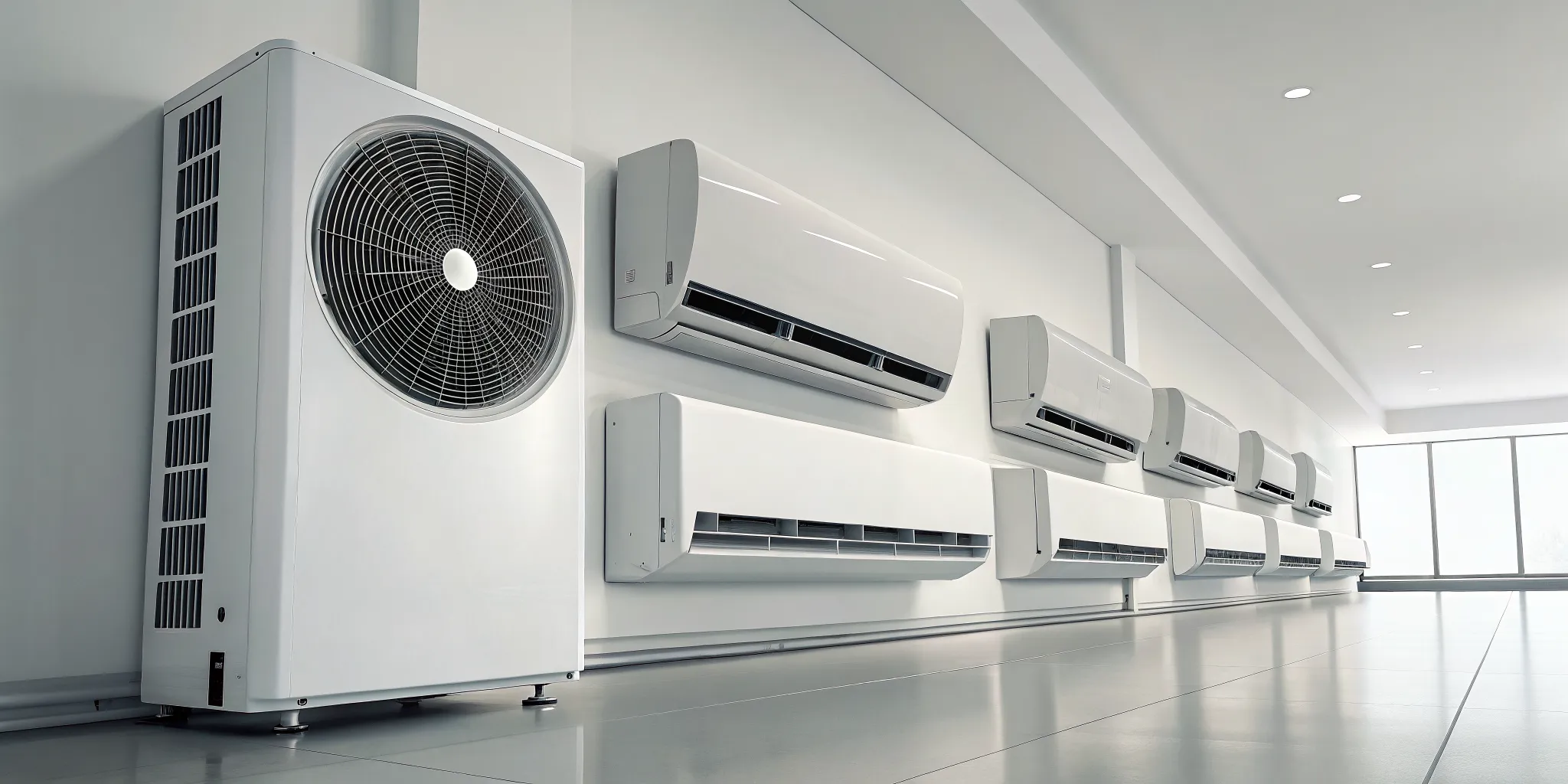
That one room in your house that’s always too hot. We all have one. Maybe it’s a sun-facing home office, a new bedroom addition, or a converted garage that your central air just can’t seem to reach. You’ve considered a clunky window unit, but you don’t want to sacrifice the view or deal with the seasonal installation hassle. This is where a wall ac unit shines. It’s a powerful, permanent cooling solution designed to bring targeted comfort exactly where you need it. This guide will walk you through everything you need to know, from choosing the right size and features to understanding installation, so you can finally solve your home’s hot spots for good.
Key Takeaways
- Consider a wall AC for targeted cooling: A wall unit is an ideal permanent upgrade for a single room, like a home office or addition, giving you powerful cooling without sacrificing a window or requiring a whole-home system.
- Prioritize correct sizing for efficiency: Your first step is to match the unit's BTUs (cooling power) to your room's square footage for optimal performance; after that, look for features like high EER ratings and smart controls that fit your budget.
- Invest in professional installation and simple upkeep: Because installation involves cutting into your wall, hiring a professional is the safest way to ensure a perfect seal and proper function, while regular filter cleaning is the easiest way to keep your unit running efficiently.
What Is a Wall AC Unit?
If you're looking for a powerful, permanent cooling solution for a specific room, a wall air conditioner is a fantastic option. Unlike a portable unit you roll away or a window unit you remove each fall, a wall AC is installed directly through an exterior wall. It’s a self-contained system that pulls in warm indoor air, cools it, and vents the heat and condensation outside. This design makes them highly efficient at cooling and a stable, long-term fixture in your home.
Through-the-Wall vs. In-Wall: What's the Difference?
You’ll often see the terms "through-the-wall" and "in-wall" used to describe these air conditioners, and for the most part, they mean the same thing. Both refer to an AC unit that is installed through a cutout in your home's exterior wall. The unit slides into a metal sleeve, which provides structural support and seals the opening against the elements. This creates a more secure and permanent installation than a window unit, offering a clean look without blocking your view. While there may be fewer models to choose from compared to window ACs, their durability and seamless integration make them a popular choice.
Can a Wall AC Unit Also Heat My Room?
Yes, many wall AC units can do more than just cool. Models equipped with a heating function provide a convenient, all-in-one solution for year-round comfort. These units typically use either a heat pump or a supplemental electric heat strip to warm your room during colder months. A wall unit with heating is an excellent choice for spaces like a home office, guest room, or converted garage that isn't fully served by your central HVAC system. Having both heating and cooling in one appliance saves space and simplifies how you manage the temperature in that specific area.
Beyond Cooling: Other Operating Modes
Modern wall ACs come with several operating modes that give you more control over your environment and energy use. Beyond the standard "cool" setting, you'll likely find a "fan-only" mode that circulates air without running the compressor, which is perfect for mild days. A "dry" or "dehumidify" mode works to remove excess moisture from the air, making your room feel more comfortable even at a higher temperature. Many built-in AC units also feature an "auto" mode that adjusts the fan speed and settings automatically, plus an "eco" or energy-saver mode that cycles the compressor to maintain your desired temperature while using less electricity.
Wall AC Units vs. Other Cooling Systems
Choosing the right air conditioner can feel like a big decision, but it really comes down to your space, budget, and cooling goals. A wall AC unit is a fantastic, permanent solution for many situations, but it’s just one of several options on the market. Understanding how it compares to other systems is the key to making a confident choice. Whether you need to cool a single stuffy room or your entire house, let’s walk through how a wall unit stacks up against window units, mini-splits, and central air conditioning. This will help you pinpoint the perfect cooling solution for your home.
Wall AC vs. Window Units
At first glance, wall and window units seem similar, but their biggest difference is how and where they are installed. A window AC sits inside your window frame, which means you lose access to that window for light and fresh air. A wall AC unit, on the other hand, is installed directly through an exterior wall. This creates a more permanent and secure, airtight seal, preventing drafts and energy loss. While a window unit might be easier to install yourself, a through-the-wall air conditioner offers a cleaner look and better insulation, making it a more integrated and efficient long-term upgrade for your home.
Wall AC vs. Mini-Split Systems
If you need to cool more than one room or a larger open-concept area, you might consider a mini-split. A mini-split system has two main parts: an outdoor compressor and one or more indoor air-handling units mounted on the wall or ceiling. This setup allows for zoned cooling, meaning you can control the temperature in different rooms independently. While mini-split systems are highly efficient and flexible, they are more complex and have a higher upfront cost. A wall AC unit is a simpler, self-contained system that’s perfect for cooling a single room, like a home office, new addition, or guest bedroom, without the complexity of a multi-part system.
Wall AC vs. Central Air Conditioning
Central air conditioning is the whole-home solution, using a network of ducts to distribute cool air throughout every room. If your home already has ductwork, it’s often the most seamless way to achieve consistent comfort. However, for homes without existing ducts, installing a central air system is a major project. This is where a wall AC unit shines. It’s an ideal, targeted solution for homes without ductwork or for supplementing your existing system in a room that’s always too hot. A properly installed HVAC system is sized for the entire house, but a wall unit provides powerful cooling right where you need it most. We offer a range of residential services to help you find the right fit.
Why Choose a Wall AC Unit?
When you're looking for a cooling solution that's more permanent than a window unit but less extensive than central air, a wall AC unit often hits the sweet spot. These systems offer a unique combination of benefits that make them an excellent choice for cooling single rooms, additions, or even entire apartments. From saving space to running quietly, here are a few key reasons why a wall AC unit might be the perfect fit for your home or business.
Save Space with a Permanent Solution
Unlike a window AC that blocks your view and sunlight, a wall unit gives you back your window. It’s installed directly through an exterior wall, creating a seamless and secure fit that feels like a part of your home's design. This permanent installation means you don't have to worry about the seasonal hassle of installing and removing a heavy unit. Once it's in, it's ready to go whenever you need it. This integrated approach not only looks cleaner but also provides a more stable and dedicated cooling solution for any room. For homeowners looking to add effective cooling without sacrificing window access, it’s an ideal choice for many residential services.
Lower Your Energy Bills
Modern wall air conditioners are designed with efficiency in mind, helping you keep your electric bills in check. One of the biggest advantages of a professionally installed wall unit is the airtight seal it creates. Window units can have gaps around the frame that let cool air escape and hot air seep in, forcing the system to work harder and use more energy. A through-the-wall unit is sealed securely, minimizing air leaks and maximizing cooling power. This superior insulation means the unit can cool your room more effectively, leading to significant energy savings over time.
Enjoy Quieter Cooling
If you’ve ever been frustrated by the loud hum of a window air conditioner, you’ll appreciate the quiet operation of a wall unit. Because the unit sits inside the wall, the chassis helps insulate against noise. The loudest parts of the system, like the compressor, are positioned further outside your home, which significantly dampens the sound you hear indoors. This makes wall AC units a fantastic option for bedrooms, nurseries, and home offices where peace and quiet are essential. You can enjoy a cool, comfortable room without the distracting background noise, allowing you to sleep, work, or relax without interruption. If you have questions about specific models, feel free to contact us for recommendations.
Breathe Cleaner Air
A wall AC unit does more than just cool the air; it also helps filter it. These systems are equipped with filters that capture dust, pet dander, pollen, and other airborne particles, which improves your home’s indoor air quality. Keeping the filter clean is key, as it not only helps you breathe easier but also improves the unit's performance. A clean filter can increase energy efficiency by 5% to 15%, ensuring your AC runs smoothly and effectively. For anyone with allergies or respiratory concerns, the added benefit of cleaner air makes a wall unit a healthy choice for creating a more comfortable indoor environment.
How to Choose the Right Size Wall AC Unit
Picking the right size for your wall AC unit is the most important decision you'll make. It’s not just about whether the unit will physically fit; it’s about matching its cooling power to your room’s specific needs. Get this part right, and you'll enjoy efficient, comfortable cooling for years. Get it wrong, and you could face high energy bills, a stuffy room, or a system that wears out too soon. Let's walk through how to find that perfect fit.
What Are BTUs and Why Do They Matter?
You'll see the term "BTU" on every air conditioner box. It stands for British Thermal Unit, and it’s simply a way to measure cooling power. Think of it like horsepower for your AC. It’s crucial to select the right BTU level for your room. If the unit is too small (not enough BTUs), it will run constantly without ever reaching the temperature you want. If the unit is too large (too many BTUs), it will cool the room too quickly and shut off. This might sound good, but it prevents the AC from running long enough to remove humidity, leaving the air feeling cold and clammy.
Match the BTUs to Your Room Size
The best starting point for determining your BTU needs is your room's square footage. To find this, just multiply the length of the room by its width. As a general rule, a small bedroom might need around 5,000 BTUs, while a larger living area could require 12,000 BTUs or more. There are many charts and calculators online that can give you a solid estimate. Using a guide to sizing can help you find the right cooling power for your space, ensuring you don't waste money on a unit that's too big or too small for the job.
Factors Beyond Square Footage
While square footage gives you a great baseline, other details can make a big difference in your cooling needs. A sunny room with large windows will need more BTUs than a shady one. High ceilings also increase the volume of air that needs to be cooled, requiring a more powerful unit. Even the quality of your home's insulation plays a role. The unit's installation is also critical; an improperly installed sleeve can lead to poor drainage and reduced efficiency. When you have multiple factors to consider, it’s often best to get an expert opinion to ensure your new AC performs perfectly.
Must-Have Features for Your Wall AC Unit
Once you’ve figured out the right size for your wall AC unit, it’s time for the fun part: exploring the features. Think of it like this: the BTUs are the engine, but the features are what make the drive comfortable and convenient. Modern wall AC units come with a surprising number of options that can make a big difference in your daily comfort and your monthly energy bills.
Choosing the right features is about matching the unit to your lifestyle. Do you love coming home to a pre-cooled room? Smart controls are for you. Are you a light sleeper? Then noise level is a top priority. Understanding these options before you buy ensures you get a unit that doesn't just cool your space, but also makes your life a little easier. We’ll walk through the most important features to look for, from energy-saving ratings to air-purifying filters, so you can make a choice you’ll be happy with for years to come.
Smart Controls and Wi-Fi Connectivity
Imagine turning on your air conditioner from your phone on your way home from work, ensuring your living room is perfectly cool the moment you walk in the door. That’s the magic of smart controls and Wi-Fi connectivity. Many new wall AC units come equipped with these features, allowing you to manage temperature, modes, and schedules from a smartphone app. This isn't just about convenience; it's about smart energy use. You can turn the unit off remotely if you forget, or adjust the temperature from the couch without searching for the remote. These features are becoming standard for a reason, making your home’s climate control part of your modern, connected residential services.
How to Check Noise Levels
No one wants an air conditioner that sounds like a jet engine taking off. While manufacturers are getting better at making quieter units, finding a straightforward noise rating (measured in decibels, or dB) can be surprisingly difficult. If you can't find a dB rating on the box or in the specs, your best bet is to do some real-world research. Look up video reviews where you can actually hear the unit running. Reading customer reviews on retail sites and forums can also provide valuable insight, as people are often very honest about how loud (or quiet) a unit is. A little extra digging here can save you from a major headache later.
Understanding Energy Star and EER Ratings
When you see the blue ENERGY STAR label on an appliance, you know it’s designed to be efficient. For AC units, this certification means the model uses less electricity than standard models, which is great for both the environment and your wallet. Another important rating to look for is the EER, or Energy Efficiency Ratio. The EER tells you how much cooling a unit provides for the amount of energy it consumes. A higher EER number means the unit is more efficient. While not every model is Energy Star rated, choosing one with a high EER is always a smart move for lowering long-term energy costs.
Filters for Better Air Quality
Your wall AC unit doesn't just cool the air; it also filters it. Every unit has a filter that traps dust, pollen, and other airborne particles, which helps keep your indoor air clean. Keeping this filter clean is also one of the easiest ways to maintain your unit's efficiency. A clogged filter makes the AC work harder, which uses more energy. Some units come with basic washable filters you can rinse and reuse, while others may have more advanced, replaceable filters. For peak performance and air quality, check and clean your filter monthly. If you need help with deeper cleaning, you can always contact us to schedule professional maintenance.
The Convenience of Timers and Thermostats
A programmable timer and a built-in thermostat are essential for efficient, hands-off cooling. These features give you precise control over your comfort. You can use the timer to have the AC turn on an hour before you get home, so you’re not wasting energy cooling an empty house all day. You can also set it to turn off automatically after you’ve fallen asleep. The thermostat works to maintain your desired temperature, cycling the compressor on and off as needed. This prevents the unit from running constantly, saving energy and reducing wear and tear. This level of control is especially valuable for businesses looking to manage climate in their commercial services spaces efficiently.
Comparing the Top Wall AC Unit Brands
Once you know the size and features you need, it’s time to pick a brand. Walking through the appliance aisle can feel overwhelming with so many options, but a few names consistently stand out for their quality and performance in the wall AC space. Each brand has its own strengths, whether you’re looking for something that will last a lifetime, a unit with the latest tech, or a reliable and efficient model that gets the job done.
Think about what matters most to you. Is it whisper-quiet operation for a bedroom? Smart features you can control from your phone? Or maybe you’re replacing an old unit and need something that fits a specific wall sleeve. We’ll look at what makes Friedrich, Frigidaire, LG, and GE popular choices. These brands have earned their reputations by consistently delivering on cooling power, energy efficiency, and user-friendly features. Understanding the key differences will help you make a confident choice that you'll be happy with for years to come. If you’re still unsure which brand or model is the right fit for your home’s unique layout and needs, our team can give you an honest recommendation. Feel free to contact us for personalized advice.
Friedrich
If you’re looking for durability, Friedrich is a name that comes up again and again. These units are often praised for their high-quality build, with some people calling them a "buy it for life" appliance because of their reliability in demanding environments. They are also generally considered some of the quietest units on the market. A huge plus is that all their models come with Wi-Fi control, so you can manage your settings from an app. For those replacing older units, the Friedrich WallMaster is designed to fit 27-inch Fedders sleeves, while the Uni-Fit model works with the more common 24-inch universal sleeve size, which can simplify installation.
Frigidaire
Frigidaire has built a strong reputation for offering wall air conditioners that deliver reliable performance and great value. They are a solid, dependable choice for homeowners who want a cooling solution that just works. Many of their models are equipped with modern features, including smart technology for remote operation and excellent energy efficiency ratings to help keep your electricity bills in check. If you’re looking for a trusted brand that balances performance with practical features, Frigidaire is an excellent option to consider for your home’s residential service needs.
LG
LG is known for packing its appliances with advanced technology, and its wall air conditioners are no exception. Their units often feature a sleek, modern design that can blend seamlessly into your room. Beyond looks, LG focuses on user convenience with features like Wi-Fi connectivity for app control and multiple energy-saving modes. They are also recognized for their quiet operation, making them a popular choice for bedrooms and home offices where noise can be a distraction. If you appreciate innovative features and a contemporary aesthetic, an LG wall AC unit is definitely worth a look.
GE
GE wall air conditioners are designed to be smart, dependable, and easy to use. Their units often include special settings like Auto Mode, which adjusts the fan speed and temperature automatically, and ECO Mode to help you save energy. GE also emphasizes quiet performance, so your AC won’t disturb your sleep or work. A key benefit of GE wall air conditioners is their through-the-wall design, which provides a permanent cooling solution without taking up valuable window or floor space. For a straightforward and efficient cooling experience, GE offers a range of reliable models.
Is a Wall AC Unit Hard to Install?
So, you’re thinking about a wall AC unit and wondering if you can install it yourself. The honest answer is: it depends. Installing a wall AC unit is definitely more involved than sliding a window unit into place. It’s a project that requires cutting a permanent hole in your wall, which can be a bit daunting. The process involves creating the opening, framing it for support, installing a wall sleeve, and making sure the unit is perfectly sealed and angled for drainage.
While some experienced DIYers might feel comfortable tackling this, it’s a job with little room for error. A mistake could lead to structural issues, air leaks that reduce efficiency, or even water damage inside your walls. For most homeowners, the complexity of the electrical work and the need for a perfect, weatherproof seal make professional installation the smarter, safer choice. It ensures your new unit works perfectly from day one and protects your home from potential problems down the road.
Getting the Wall Opening and Sleeve Right
The biggest hurdle in a DIY wall AC installation is creating the opening. Unlike a window, your wall isn't designed for an AC unit. You'll need to cut a precise hole through drywall, insulation, and your home's exterior siding. Before you even think about cutting, you have to be absolutely sure there are no studs, electrical wires, or plumbing pipes in that section of the wall.
Once the hole is cut, you install a wall sleeve. This is a metal case that lines the opening, supports the AC unit, and helps create a seal against the elements. Getting the sleeve perfectly level and secure is critical for both the stability of the unit and for preventing air and water from getting in. It’s a task that requires precision and the right tools.
Checking Your Electrical Setup
Wall AC units are powerful appliances, and your home's electrical system needs to be ready for one. Before you even buy a unit, you need to check your electrical setup. Many wall AC units, especially larger ones, require a dedicated circuit to operate safely without tripping breakers. This means it needs its own spot on your circuit breaker panel.
You’ll also need to make sure the outlet is compatible with the AC unit's plug and can handle its voltage and amperage. Using an extension cord is a major safety no-no. If you’re not completely comfortable working with your home’s electrical system, this step alone is a good reason to call in a professional. An electrician or a qualified HVAC technician can ensure everything is safe and up to code.
Why Positioning and Drainage Are Crucial
You might think you can place a wall AC unit anywhere, but its exact position and angle are incredibly important for one key reason: drainage. As your air conditioner cools the air, it pulls moisture out, which collects as condensation. This water needs to go somewhere, and that "somewhere" should always be outside your house.
To make this happen, the wall sleeve and the AC unit must be installed with a slight downward tilt toward the exterior. It’s a subtle but critical detail. If the unit is perfectly level or, worse, tilted inward, that water can drain back into your wall. This can lead to serious issues like water damage, rot, and mold growth. Proper positioning ensures gravity does its job, protecting your home and your health.
Know When to Call a Professional
If reading about cutting holes in walls, checking electrical circuits, and calculating drainage angles makes you nervous, that’s perfectly normal. These are complex tasks, and a small mistake can lead to big, expensive problems. This is where calling a professional is a smart investment. A professional installer has the right tools, knowledge, and experience to handle every step of the process safely and efficiently.
They can assess your wall for the best placement, manage the electrical requirements, and guarantee a perfect, weatherproof seal. Plus, a professional installation protects your warranty and gives you peace of mind. If you’re in the Bay Area, Central Valley, or Sacramento and want the job done right, our team at Airteks provides expert residential services to ensure your new wall AC unit is installed perfectly.
How Much Does a Wall AC Unit Cost?
When you’re planning your budget for a new wall AC unit, it helps to think about three key areas: the initial price of the unit, the cost of installation, and the long-term expenses for energy and maintenance. Looking at the total picture ensures there are no surprises down the road and helps you make a smart investment in your home’s comfort. Let’s break down what you can expect to pay at each stage.
The Upfront Cost of the Unit
The sticker price for a wall AC unit can vary quite a bit. You might find basic models for as little as $250, while high-end units with more power and features can cost nearly $3,000. Most homeowners find a great fit in the $500 to $1,000 range. What causes this price difference? It comes down to cooling power (BTUs), brand reputation, and extra features like Wi-Fi connectivity or special air filters. A larger room requires a more powerful, and typically more expensive, unit. Thinking about which features are must-haves versus nice-to-haves will help you find a unit that meets your needs without breaking the bank.
Factoring in Professional Installation
The price tag on the box isn’t the final number; you also need to account for installation. While it might seem like a way to save money, a DIY installation can lead to big problems, including poor performance, water damage, or electrical issues. Professional installation is essential for a wall AC unit. This involves cutting a precise opening in your wall, installing a supportive sleeve, ensuring the unit is properly sealed and weatherproofed, and handling the electrical connections safely. Hiring a certified HVAC technician ensures the job is done right, protecting your investment and your home. For a clear idea of what installation will cost for your space, it's best to get a quote from a professional.
What to Expect for Long-Term Energy Use
A great benefit of modern wall air conditioners is their focus on energy efficiency, which helps keep your monthly electricity bills in check. To find the most efficient options, look for ENERGY STAR certified models, which are designed to use less energy than standard units. Your habits also play a big role in long-term costs. Simple maintenance, like cleaning the filter every month or two, can improve your unit's efficiency by 5% to 15%. This not only saves you money but also helps the unit cool more effectively and last longer. Regular, simple care is the key to enjoying low energy bills for years to come.
Simple Maintenance for Your Wall AC Unit
Keeping your wall AC unit running smoothly doesn't require a degree in engineering. A little bit of regular care goes a long way in extending its lifespan, maintaining its efficiency, and keeping your energy bills in check. Think of it as a small investment of your time that pays off with consistent, cool air all season long. By tackling a few simple tasks, you can prevent common problems and ensure your unit is ready to perform when you need it most.
Clean or Replace Your Filters
This is the single most important thing you can do for your wall AC unit. A dirty, clogged filter forces the system to work much harder to pull in air, which strains the components and drives up your energy costs. In fact, keeping the filter clean can improve your unit's energy efficiency by 5% to 15%. Check your filter every month during the cooling season. If you have a reusable one, give it a gentle wash with soap and water. If it’s disposable, simply swap it out for a new one. This simple habit ensures proper airflow and helps you get the most out of your air conditioner.
Inspect Coils and Check for Leaks
Your AC unit has two sets of coils that are essential for the cooling process: the evaporator coil (inside) and the condenser coil (outside). Over time, these coils can get covered in dust and debris, which makes it harder for them to do their job. At the beginning of the season, take a look at the coils. If they look dirty, you can gently clean them with a soft brush. While you’re at it, check for any signs of water pooling inside or outside the unit. This could point to a clogged drain line, which is something you’ll want to address right away to prevent water damage.
Your Seasonal Maintenance Checklist
Getting into a seasonal routine is a great way to keep your wall AC in top shape. Before the hot weather hits, give your unit a pre-season check-up. Clean the filter and coils, and make sure the area around the exterior of the unit is clear of leaves, branches, or other debris that could block airflow. At the end of the season, clean the unit one last time before you put it to bed for the winter. If you have an exterior cover, now is the time to put it on to protect the unit from harsh weather, which is a key part of any routine HVAC maintenance plan.
When to Schedule Professional Service
While DIY care is fantastic, some jobs are best left to a professional. If you notice your unit making strange grinding or rattling noises, producing weak airflow, or just not cooling your room like it used to, it’s time to call for help. An annual tune-up from a certified technician can catch potential issues before they become expensive breakdowns. Plus, some manufacturers require yearly professional service to keep your warranty valid. If your unit needs an expert eye, you can contact us to schedule a service call with one of our trusted technicians.
Is a Wall AC Unit Right for Your Home?
Deciding on a new air conditioner can feel like a huge commitment, but it doesn’t have to be overwhelming. A wall AC unit is a fantastic, efficient solution for many homes, but it’s not a one-size-fits-all answer. The real question is whether it’s the right fit for your specific needs, your space, and your long-term comfort. Let’s walk through what to consider so you can make a choice you feel great about.
Wall units are ideal when you need to cool a specific area effectively. Think of a sun-drenched home office, a new room addition, or a garage workshop where extending your central air just isn’t practical. Because they are installed directly through an exterior wall, they provide powerful, targeted cooling without taking up window space. Many models also come with a heating function, giving you a versatile system for year-round climate control. This makes them a smart investment for creating a comfortable zone in any season.
Before you move forward, it’s important to think about the installation. A wall AC is a permanent fixture, which means a hole will be cut into your home’s exterior. This isn’t a simple weekend project, and getting it wrong can lead to issues with drafts and moisture. Sizing is also critical. Choosing a unit with the right BTU (cooling power) for your room’s square footage ensures it runs efficiently without wasting energy. Our team can help you determine the perfect fit as part of our residential services.
Proper installation by a professional is key to getting the most out of your investment. An expert will make sure the unit is correctly sealed, supported, and wired, preventing future headaches and ensuring peak performance. And just like any hardworking appliance, your wall AC will need regular maintenance, like cleaning the filter and checking the coils, to keep it running smoothly for years. If you’re weighing your options and want straightforward advice, feel free to contact us. We’re here to help you find the best cooling solution for your home.
Frequently Asked Questions
Is a wall AC unit really that different from a window unit? Yes, the difference is significant. While both cool a room, a window unit is a temporary solution that blocks your window and can create drafts. A wall AC unit is a permanent installation that is sealed directly into your wall. This creates a much better, airtight seal, which improves energy efficiency and provides a cleaner, more built-in look without sacrificing your window view.
Can I install a wall AC unit myself to save money? While it might seem like a good way to cut costs, installing a wall AC unit is a complex job that’s best left to a professional. The process involves cutting a permanent hole in your home’s exterior, framing it for support, and ensuring a perfect, weatherproof seal. Any mistakes can lead to serious problems like water damage, air leaks, or structural issues. For safety and peace of mind, professional installation is the smartest choice.
How do I figure out the right size AC for my room? The key is to match the unit's cooling power, measured in BTUs, to your room's square footage. A unit that's too small will run constantly without cooling the space, while one that's too large will make the room feel cold and clammy. Start by measuring your room's length and width to find the square footage, then use an online sizing chart as a guide. You should also consider factors like ceiling height and how much sun the room gets, as these can affect your cooling needs.
Do all wall AC units also provide heat? Not all of them do, but many models come with a heating function, making them a great all-in-one appliance for year-round comfort. These units typically use either a heat pump or a supplemental electric heat strip to warm your room. This feature is especially useful for spaces like home offices, additions, or guest rooms that may not get enough coverage from your central system.
What's the most important maintenance task I need to do? Without a doubt, the most important thing you can do is regularly clean or replace the air filter. A dirty filter restricts airflow, forcing the unit to work harder and use more energy. Checking your filter once a month during the cooling season is a great habit. This simple step will keep your unit running efficiently, lower your energy bills, and help improve your indoor air quality.
Comments