
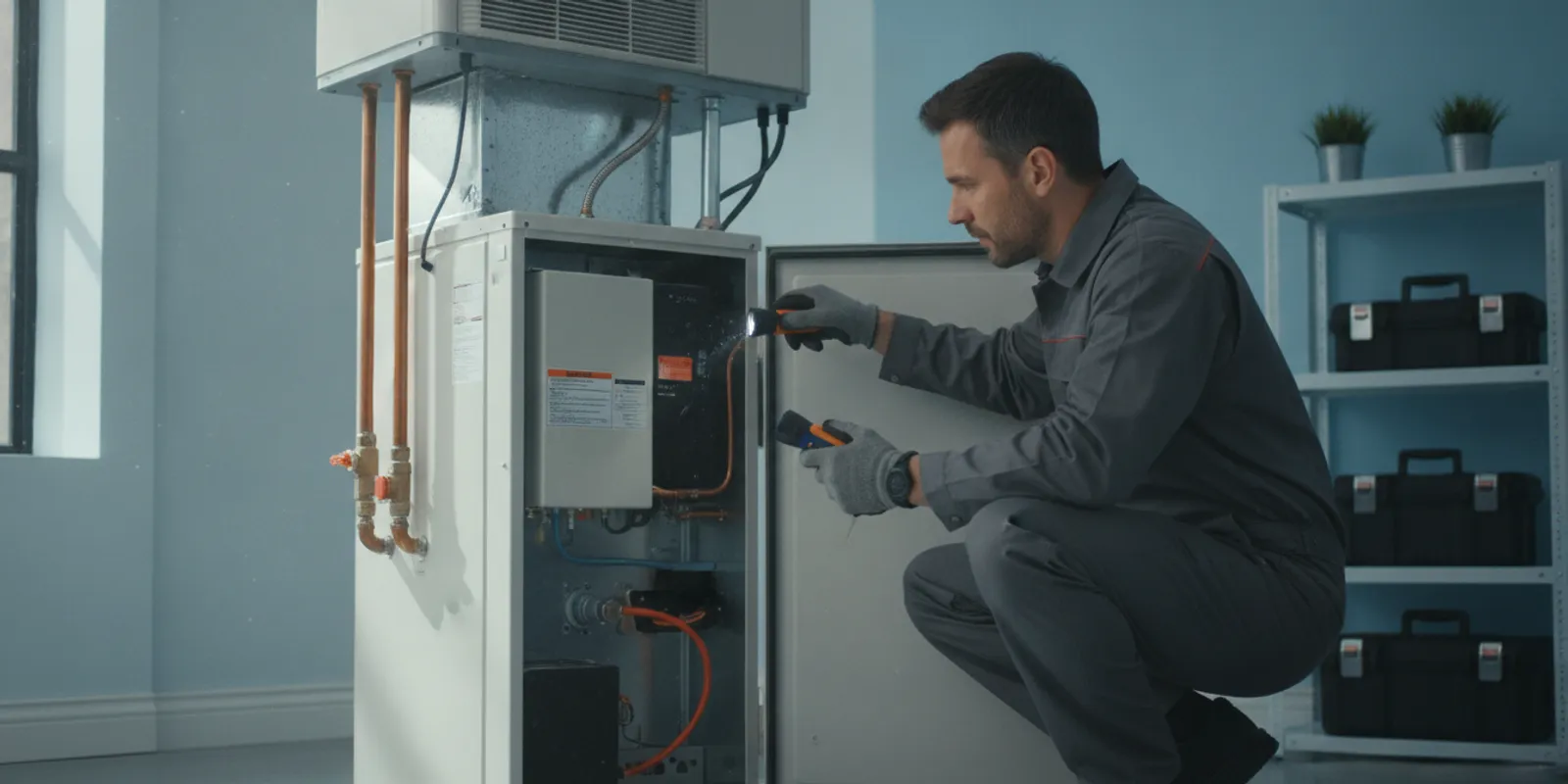
An HVAC repair cost estimate should explain more than a number. It should connect the symptoms you noticed to the technician’s diagnosis, identify the work proposed, and show what the price covers. That clarity helps homeowners compare options and make a decision without assuming every system problem has the same cause.
Call (510) 719-0621 to discuss HVAC service
What should an HVAC repair estimate explain?
A useful estimate identifies the equipment or area involved, the diagnosed condition, the recommended work, and the charge for that defined scope. The format may be a written itemized proposal or a flat price for a specific repair. Either way, you should be able to tell what you are approving and what is outside the proposal.
Review the estimate for these elements:
- Diagnosis: The observed issue and, where appropriate, the checks that support the conclusion.
- Scope: The parts, adjustments, labor, and testing included.
- Price: The total for the stated work, with diagnostic, travel, or other charges explained separately when applicable.
- Limitations: Related conditions that may require separate investigation or approval.
- Timing: Whether work can proceed now, whether a part must be obtained, and when a follow-up may be needed.
- Approval: How the contractor will handle additional work if findings or price change.
A quote for one repair is not a promise that no other fault exists or will develop later. Replacing a failed component may restore operation while an unrelated airflow, control, or wear issue remains. Ask the contractor to distinguish the repair being priced from any additional observation.
How does a technician determine the repair scope?
HVAC symptoms can have more than one possible cause. A system that will not start could have a control, electrical, safety, or equipment problem. Weak airflow might relate to a filter, blower, duct restriction, or another condition. A diagnosis means narrowing the possibilities through inspection and appropriate testing instead of selecting a repair based only on a symptom.
The visit often starts with questions: when did the issue begin, is it constant, and did anything change shortly beforehand? The technician may inspect the thermostat and accessible equipment, observe operation, and test components relevant to the complaint. The checks depend on the equipment and circumstances; not every system requires the same sequence.
When a test points to a failed part, ask what was observed and how the proposed work addresses it. If the result is inconclusive, a careful contractor may recommend another test or explain that the initial estimate is preliminary. That is more useful than a confident price with an undefined scope.
Before the appointment, write down unusual sounds, odors, cycling, display messages, rooms that feel different, and when the problem occurs. Note recent changes such as a thermostat adjustment or power interruption if known. These observations do not replace testing, but can help reproduce an intermittent fault. For urgent breakdowns, see Airteks’ 24-hour HVAC repair information.
What information should you gather before requesting an estimate?
A few details can make the first conversation more productive without requiring you to diagnose the system yourself. Identify whether the equipment is a furnace, air conditioner, heat pump, or another configuration if you know. Share the age only if you have a reliable record, and describe what the system is doing rather than naming a suspected failed part.
- What does the system do when you call for heating or cooling?
- Does it start, stop, run continuously, or make a new sound?
- Are all rooms affected or only particular areas?
- Is there a visible message or indicator you can describe?
- When did the symptom begin, and how often does it occur?
- Has anyone already inspected or repaired the equipment?
Do not remove equipment panels or handle wiring, refrigerant, or other components to collect information. Leave technical checks to a qualified service professional. A clear description helps plan the visit, but it does not establish a final repair scope before inspection.
What factors can change an HVAC repair estimate?
There is no single price that applies to every repair. Two systems with the same symptom may need different work, and a contractor builds the estimate around the diagnosis and job conditions. Common factors include:
- Problem and scope: An adjustment differs from a repair that requires a replacement component, additional testing, or more than one corrective step.
- Equipment type and configuration: The system design and the component involved affect how the work is carried out.
- Access: Safe access to the equipment and the work area can change the time and steps required.
- Part requirements: Compatibility, availability, and the correct part for the specific equipment can affect both timing and price.
- Labor and verification: Time to confirm the fault, complete the repair, and check operation varies by issue.
- Separate conditions: A second fault found during diagnosis may call for a separate proposal rather than an automatic addition to the original work.
- Scheduling: Emergency or after-hours arrangements may differ from a scheduled visit. Ask whether any special charge applies.
Maintenance and troubleshooting are not interchangeable. If you are comparing a maintenance visit with a repair, review the listed tasks and ask whether the service includes diagnosis of the specific symptom. Airteks describes its HVAC maintenance service separately.
How should you compare repair options?
Compare the work described, not just the bottom-line number. A lower estimate can cover a narrower scope; a higher one may include different parts, testing, or a distinct repair approach. Ask both contractors to explain what they included and excluded. This checklist is not a price list; actual charges depend on diagnosis and job conditions.
| Estimate element | What to compare | Question to ask |
|---|---|---|
| Diagnosis | Does the proposal identify the fault and relevant observations? | What did you test or observe? |
| Work scope | Are parts, labor, and operational checks described? | What exactly will this repair address? |
| Charges | Are diagnostic, travel, and after-hours charges clear? | Is this the total for the stated work? |
| Uncertainty | Are possible additional faults separate from approved work? | Will you contact me before doing anything extra? |
| Alternatives | Are repair and replacement considerations explained when relevant? | What are the benefits and limits of each option? |
For general background on system care, review Airteks’ homeowner guide to HVAC system maintenance. A heat pump proposal concerns a particular type of equipment; Airteks’ heat pump service information describes that service area. For a building system, see commercial HVAC service information. These pages provide context, but the estimate should still identify the actual equipment and work under consideration.
How can you make an apples-to-apples comparison?
Suppose two written proposals address a system that stops during operation. One lists a diagnostic visit and a specific component replacement. The other includes that component plus additional checks. The second total may be higher because the scope differs; it does not automatically mean either proposal is better. Ask each contractor to explain the evidence, the purpose of each task, and what outcome the work is intended to achieve.
Use a simple comparison process:
- Match the problem statement. Check that each contractor is addressing the same equipment and symptoms, not different assumptions.
- Separate diagnosis from repair. Note whether the diagnostic charge is included, separate, or applied toward approved work.
- List included tasks. Write down parts, labor, testing, and any follow-up that each proposal specifies.
- Identify exclusions. Mark anything that could add cost, such as a separate fault or a part that is not yet confirmed.
- Clarify authorization. Ask whether the contractor will stop and seek approval before changing scope or price.
- Compare the explanation. Make sure you understand why the recommended work fits the observed problem.
If the proposals do not describe the same repair, request clarification before ranking them by price. A brief call to reconcile terminology may reveal that one estimate includes more work, or that the contractors reached different diagnoses. In the latter case, ask what additional test or observation would help resolve the difference.
What should you ask before approving a repair?
You do not need to know every technical detail to make an informed decision. The contractor should be able to describe the recommendation in plain language. Before authorizing the work, ask:
- What is the diagnosed problem, and what evidence supports it?
- What work is included in this price?
- Are parts, labor, testing, and diagnostic charges included or listed separately?
- Could another issue remain after this repair?
- Will you pause and get my approval if the scope or price changes?
- How will you check operation after the work?
- What should I expect if the system does not behave as expected afterward?
Keep the estimate and your written approval together. If the contractor updates the proposal, retain the revised version as well. That makes it easier to remember what was authorized and to discuss any difference between the initial scope and the completed work.
When one company recommends repair and another recommends replacement, do not assume the choice can be made from the totals alone. Ask each to explain equipment condition, what the proposed option addresses, and what remains outside it. Replacement decisions involve the condition and needs of the whole system; this article focuses on how repair scopes are estimated, not a universal repair-versus-replacement rule. Airteks’ HVAC repair information is a starting point for service questions.
When is an estimate preliminary?
A figure based only on a brief phone description may be preliminary. Confirming a cause and scope often requires inspection and testing. If the symptom is intermittent, access is limited, or more than one issue is present, the first visit may identify further checks needed before a complete proposal is possible.
Ask what the estimate is based on: a description, a site visit, a completed diagnosis, or an assumption that must be confirmed. Also ask what could change it. That question does not challenge the contractor; it helps you understand the boundary of the recommendation and avoid mistaking an early range for an approved final scope.
For a service visit, provide the equipment type and symptoms and ask how diagnosis and repair approval are handled. Airteks serves residential and commercial customers with heating and cooling service across Northern California. You can contact Airteks to request service and describe the issue.
What can happen during the visit?
Knowing the usual stages can make the process easier to follow. The exact steps vary with the complaint, but a homeowner can expect a conversation about symptoms, a review of the equipment, relevant diagnostic checks, and an explanation of the recommended action. The technician should distinguish what is known from what still needs confirmation.
Once a repair is proposed, take a moment to review its scope. If you are unsure about a term, ask for a plain-language explanation. You can also ask whether the system can be operated safely while you decide, if that is relevant. Do not treat a verbal estimate as authorization for a different or expanded scope; confirm what you approve and what the price covers.
After the work, ask what was completed and whether the system was checked. If a symptom continues, share exactly what you observe and when it occurs. This creates a clear record for follow-up and helps distinguish a persistent original issue from a separate condition.
How do repair estimates differ by system?
The general estimating process is similar across equipment, but the diagnostic checks and parts are not. A furnace, air conditioner, and heat pump have different components and operating modes. Commercial systems may have different configurations and building requirements than residential equipment. For that reason, this guide does not assign one universal repair price or suggest that one system’s estimate can be used to judge another.
When requesting service, identify the equipment if you know it and specify whether the issue affects a home or a commercial building. If you are unsure which system type you have, say so and describe the visible equipment or thermostat behavior. A technician can clarify the equipment on site. For information about broader services, use Airteks’ residential HVAC services or commercial HVAC services.
What does the available cost information tell you?
Online figures can offer context, but they should not be mistaken for a quote on your equipment. Costs depend on the diagnosis, parts, labor, access, and the scope described by the contractor. A figure for a different equipment type or a different region may not reflect your job. Use any general information as a prompt for questions, then rely on a clearly scoped proposal for the decision.
The page titled Hvac Maintenance Cost - Free Template Download presents a comparison of annual maintenance and emergency repair costs; it is not a clear source for a repair estimate in Northern California. You can review that maintenance-cost comparison, but avoid applying its figures to a particular repair. This guide does not repeat the figures because they do not establish the price for a specific repair. The appropriate next step is an equipment-specific diagnosis and a proposal that states its basis.
For cost comparisons, ask what period and scope a number covers. Does it include a diagnostic visit, labor, a part, and verification? Does it refer to maintenance rather than corrective repair? Without answers, two numbers may not be comparable. This is especially important when one figure is an online average and another is a contractor’s price for a defined job.
Frequently Asked Questions
Can I get a reliable estimate without an inspection?
A conversation can help identify the concern, but confirming its cause and scope often requires inspection and testing. Treat an early figure as preliminary unless its basis and limitations are clearly stated.
Should an estimate include a diagnostic fee?
Ask whether diagnosis is charged separately, included, or applied toward approved work. Practices vary, so confirm the policy before the visit.
Why might two contractors quote different amounts?
They may have reached different diagnoses, included different tasks, or accounted for parts, access, and testing differently. Compare written scope and ask for the reasoning behind each recommendation, rather than judging totals alone.
Does an estimate guarantee there will be no other problems?
No. A repair estimate generally covers the stated finding and work, not every possible future failure. Ask what the repair is intended to address and whether other concerns were observed.
What if the contractor finds another issue during the repair?
Ask the contractor to explain the new finding, whether it changes the original recommendation, and what the additional work would cost. Confirm approval before proceeding with a changed scope.
Call (510) 719-0621 to request HVAC service
What is the practical next step?
Gather the equipment type, symptoms, and observations, then request an assessment with a clearly explained scope and price. A straightforward estimate helps you understand the recommendation and decide what work to authorize.
For a reliable comparison, keep the diagnosis, included tasks, exclusions, and approval terms together with the total, so you can judge the proposal on the work it actually describes.
Comments