
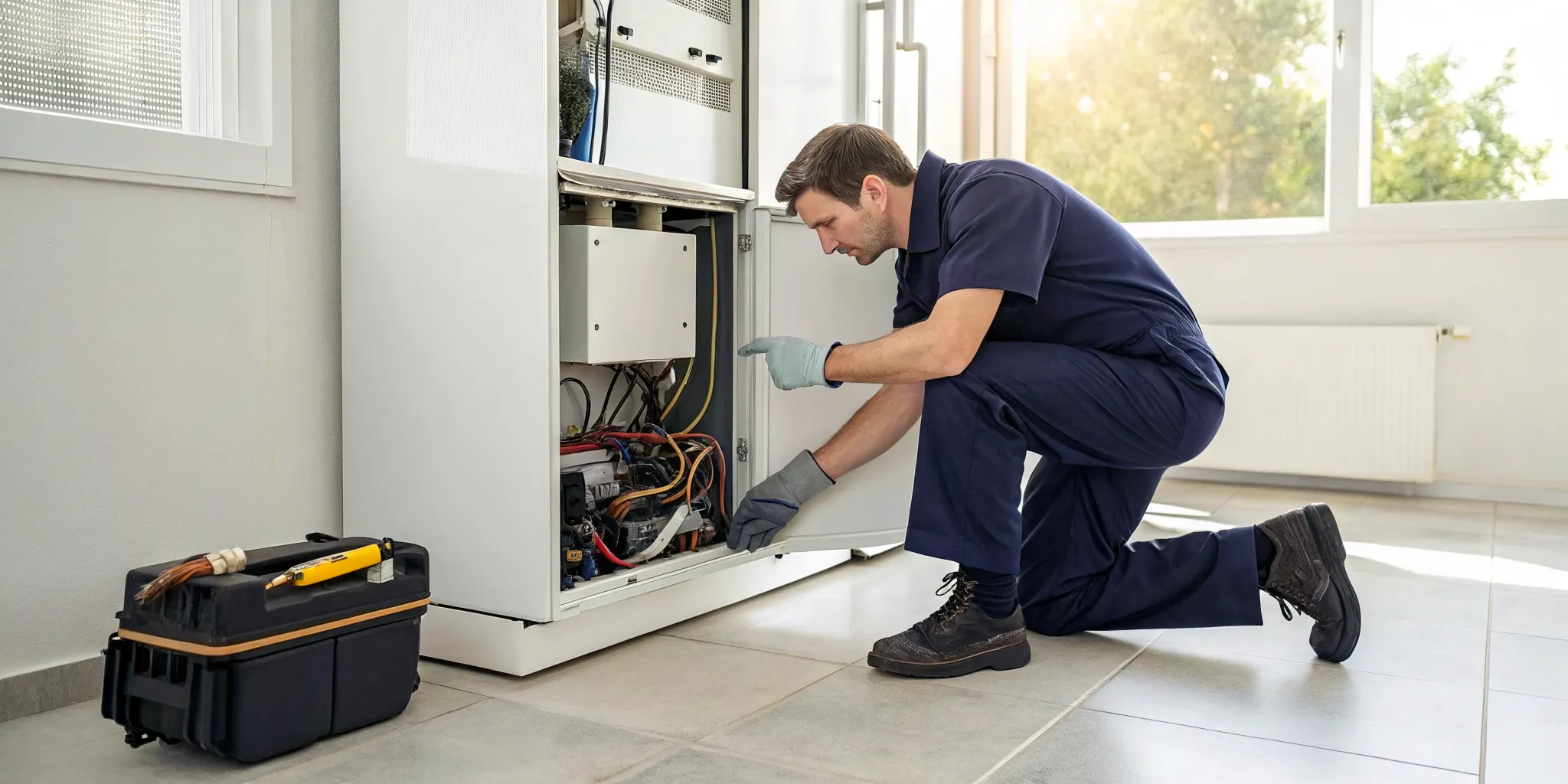
Let’s talk about your budget. Unexpected expenses are never welcome, and a sudden HVAC breakdown is one of the most dreaded costs a homeowner can face. While skipping a tune-up might feel like saving money in the short term, it often leads to much higher costs down the road. A neglected system works harder, consuming more energy and driving up your utility bills month after month. Professional hvac system maintenance is a financially savvy move that pays for itself by ensuring your system runs at peak efficiency, preventing the vast majority of expensive repairs, and extending the life of your equipment.
Key Takeaways
- View Maintenance as a Financial Habit: Regular service is a smart financial move that lowers monthly energy bills, helps you avoid expensive emergency repairs, and extends the overall life of your system.
- Schedule Tune-Ups Twice a Year: The most effective plan is to have your air conditioner serviced in the spring and your furnace checked in the fall to ensure they are ready for the seasons when you need them most.
- Know Your DIY Limits: While changing filters and clearing debris are great DIY tasks, you should always call a professional for issues involving strange noises, electrical problems, or poor performance to ensure a safe and effective repair.
Why Regular HVAC Maintenance is a Smart Move
Let’s be honest, scheduling HVAC maintenance probably isn’t at the top of your to-do list. It’s one of those tasks that’s easy to put off, especially when your system seems to be working just fine. But thinking of maintenance as a proactive strategy rather than a reactive chore is one of the smartest moves you can make as a homeowner. It’s the key to keeping your system running efficiently, extending its lifespan, and saving you a lot of money and stress down the road.
Think of it like a regular check-up for your home's hardest-working appliance. During a maintenance visit, a technician can spot small issues before they snowball into expensive, middle-of-the-night emergencies. In fact, some experts suggest that routine check-ups can prevent up to 95% of major system failures. This preventative care not only helps you avoid surprise breakdowns but also ensures your system uses less energy. A well-maintained unit runs more efficiently, which directly translates to lower utility bills. Beyond the financial benefits, regular service also improves your home’s indoor air quality by cleaning out dust and allergens that can accumulate in the system. A little bit of care goes a long way toward ensuring your home stays comfortable, your air stays clean, and your budget stays intact.
The Real Costs of Skipping a Tune-Up
Putting off maintenance might seem like you're saving money in the short term, but it often leads to higher costs later. When your HVAC system isn't running at its best, it has to work harder to heat or cool your home, which causes a gradual increase in your energy bills. Over time, a well-maintained system uses significantly less energy, and the savings on your utility bills can help the annual maintenance pay for itself. Neglecting your system also invites a host of other common HVAC problems, from minor annoyances like strange noises to complete system breakdowns that always seem to happen on the hottest or coldest day of the year.
How Neglect Impacts Your Air and Your Wallet
The consequences of skipping maintenance go beyond just mechanical failures; they can affect your home's air quality and your finances. Your HVAC system circulates all the air in your home, and if it's dirty, it’s just pushing dust, allergens, and even mold spores from room to room. Studies show that indoor air can be two to five times more polluted than outdoor air, and a neglected HVAC system is often a major contributor. This can be especially concerning for anyone with allergies or asthma. On the financial side, falling for common misconceptions about HVAC systems and maintenance can cause you to spend up to 30% more on your annual utility bills.
What's on a Professional HVAC Maintenance Checklist?
When you schedule a professional HVAC tune-up, you’re getting much more than a quick filter change. Think of it as a comprehensive physical for your home’s heating and cooling system. A certified technician uses specialized tools and expertise to inspect, clean, and adjust dozens of components to ensure everything runs safely and efficiently. While you can handle some basic tasks yourself, a professional checklist covers the critical parts that keep your system healthy for the long haul.
A thorough maintenance visit ensures your system is ready for the demands of the coming season, whether it's a hot summer or a chilly winter. The technician will go through a detailed process, checking everything from electrical connections to refrigerant levels. This preventative care is the best way to catch small issues before they become major, expensive problems. Below are some of the most important items on any professional’s HVAC maintenance checklist.
Inspecting and Replacing Air Filters
One of the simplest yet most critical tasks is checking the air filter. A dirty, clogged filter forces your HVAC system to work much harder to pull in air, which wastes energy and can strain the motor. During a maintenance visit, a technician will inspect your filter and replace it if needed. While you should be changing your filter every one to three months, a professional can also confirm you’re using the correct size and type for your system. They can also recommend higher-efficiency filters if you have concerns about indoor air quality, pets, or allergies, ensuring your system is optimized for your specific needs.
Cleaning and Checking Coils
Your HVAC system has two sets of coils that are essential for heating and cooling: the evaporator coil (inside) and the condenser coil (outside). Over time, these coils get covered in a layer of dust, dirt, and grime. This buildup acts like an insulator, making it difficult for the coils to transfer heat effectively. As a result, your system has to run longer and harder to cool or heat your home, driving up your energy bills. A technician will thoroughly clean both sets of coils, a task that often requires special cleaning solutions and tools to avoid damaging the delicate fins. This single step can significantly improve your system's efficiency and performance.
Calibrating Your Thermostat
Your thermostat is the brain of your HVAC system, telling it when to turn on and off. If it isn’t calibrated correctly, it can’t accurately read the room’s temperature. This might leave you feeling uncomfortable, or it could cause your system to run unnecessarily, wasting energy. During a maintenance visit, a technician will test your thermostat’s accuracy and make sure it’s communicating properly with the rest of the system. They can also check its programming and settings to ensure they align with your schedule and comfort preferences, helping you save money without sacrificing comfort.
Assessing Ductwork and Airflow
Your ductwork is the circulatory system for your home's conditioned air, and problems here can have a big impact. Leaky, disconnected, or blocked ducts can lead to significant energy loss, poor air quality, and uneven temperatures from room to room. A technician will visually inspect accessible ductwork in your attic, crawl space, or basement for any signs of trouble. Sealing leaks and fixing disconnected sections ensures that the heated or cooled air you’re paying for is actually delivered to your living spaces instead of being lost along the way. This check is vital for maintaining both comfort and efficiency throughout your home.
Checking Electrical Parts for Safety
An HVAC system contains many complex electrical components, and ensuring they are in good working order is a top priority for safety. A technician will inspect and tighten all electrical connections, as loose wiring can be a fire hazard and can damage your system’s components. They will also measure the voltage and current on the motors and check capacitors and contactors for wear and tear. This part of the inspection helps prevent sudden system failures and protects your home from potential electrical dangers. Because of the high voltages involved, this is a task that should always be left to a trained HVAC professional.
How Often Do You Need HVAC Maintenance?
Knowing how often to service your HVAC system can feel like a guessing game, but it doesn’t have to be. Think of it like a regular checkup for your car or even yourself; routine care prevents major problems down the road. The goal is to find a rhythm that includes professional tune-ups while also knowing what to look for on your own. Following a consistent schedule is the best way to prepare your system for the intense heat of summer and the chill of winter, ensuring you stay comfortable year-round without any surprise breakdowns. This proactive approach not only keeps your home comfortable but also protects your investment in your heating and cooling equipment.
The Ideal Schedule: Spring and Fall Checkups
For optimal performance, you should schedule professional HVAC maintenance twice a year: once in the spring for your air conditioner and once in the fall for your furnace. This timing is strategic. A spring tune-up gets your AC ready to handle the summer heat, while a fall checkup ensures your heating system is prepared for cold weather. During these visits, a technician can clean components, check for wear and tear, and fix small issues before they turn into costly emergencies. This simple, twice-yearly schedule is the most effective way to keep your system reliable and efficient. Our team offers comprehensive residential services to get your system ready for any season.
Signs Your System Needs Help Now
Beyond your regular tune-ups, your HVAC system will sometimes give you clear signals that it needs immediate attention. It’s important to trust your senses and act quickly if you notice something is off. Postponing a small repair can often lead to a much bigger and more expensive problem.
Here are a few red flags you shouldn't ignore:
- Strange Noises: Loud banging, clanking, or high-pitched squealing are not normal operating sounds. They usually point to a loose or broken part.
- Unpleasant Odors: A musty smell could indicate mold in your ductwork, while a burning smell might signal an electrical or mechanical failure.
- Frequent Cycling: If your system turns on and off constantly, it’s a sign that it's working too hard, which can strain components and drive up your energy bills.
If you notice any of these issues, it's time to call in a professional. Don't wait for the system to fail completely; contact us to have it checked out right away.
The Top Benefits of Regular HVAC Maintenance
Think of regular HVAC maintenance as a check-up for your home’s hardest-working appliance. It’s not just about fixing things when they break; it’s about preventing problems before they start. Consistent care keeps your system running smoothly, which pays off in more ways than one. From saving money to ensuring your family’s comfort, scheduling routine service is one of the smartest decisions a homeowner can make. It’s a small investment that protects your much larger one: your home's heating and cooling system.
Lower Your Energy Bills
A well-maintained HVAC system is an efficient one, and an efficient system uses less energy. When filters are clogged and coils are dirty, your unit has to work much harder to heat or cool your home, which drives up your utility bills. In fact, a dirty condenser alone can cause your air conditioner to use 10% to 20% more energy. Regular professional cleanings and tune-ups ensure every part runs at peak performance. Over time, the money you save on energy can easily offset the cost of the annual maintenance itself, making it a financially savvy move for any homeowner.
Extend the Life of Your System
You wouldn't drive your car for years without an oil change, and the same logic applies to your HVAC system. These complex machines experience wear and tear with every cycle. Regular maintenance catches and corrects minor issues before they can cause a domino effect of damage to other components. By addressing small problems early, you prevent the strain that leads to premature system failure. This proactive care can significantly extend the lifespan of your unit, helping you avoid the massive expense and headache of an unexpected replacement for as long as possible.
Prevent Surprise Breakdowns
There’s never a good time for your air conditioner to quit in the middle of a heatwave or for your furnace to fail on the coldest night of the year. The good news is that routine maintenance can prevent up to 95% of major system failures. During a tune-up, a technician can spot worn-out parts, potential electrical issues, or other red flags that could lead to a sudden breakdown. Taking care of these issues on your own schedule gives you peace of mind and saves you from the stress and high cost of an emergency repair call. You can schedule a check-up to ensure your system is ready for any season.
Protect Your Warranty
Did you know that most HVAC manufacturers require proof of annual maintenance to keep your system’s warranty valid? If a major part fails and you can’t show a record of regular service, the manufacturer may deny your claim, leaving you to cover the full cost of the repair. Sticking to a maintenance schedule is essential for protecting your warranty and your wallet. Plus, keeping a detailed service history is a great asset if you ever decide to sell your home, as it shows potential buyers that the system has been well cared for.
5 DIY Maintenance Tasks You Can Do Today
Professional maintenance is key, but you can play an active role in your HVAC system's health, too. Taking care of a few simple tasks between professional visits can make a big difference in performance and efficiency. These five steps are easy for most homeowners to handle and can help you catch small issues before they become big problems. Think of it as a little bit of effort now to prevent major headaches later.
1. Change Your Air Filters
This is the easiest and one of the most impactful tasks you can do. A dirty air filter forces your HVAC system to work much harder to pull in air, which wastes energy and puts extra strain on its components. A clogged filter also can’t do its job of trapping dust, pollen, and other particles, meaning they end up circulating in your home’s air. Plan to replace your air filter every one to three months. If you have pets or live in a dusty area, you might need to change it more frequently. This simple swap is a cornerstone of good HVAC maintenance and keeps your air cleaner.
2. Clear Your Outdoor Unit
Your outdoor AC unit, or condenser, needs to breathe. Over time, leaves, grass clippings, dirt, and other debris can build up around it, blocking airflow. When this happens, your system can’t release heat effectively, causing it to run longer and less efficiently. Take a few minutes to walk outside and clear away any debris, making sure there’s at least two feet of open space around the entire unit. For a deeper clean, you can gently rinse the exterior fins with a garden hose, but never use a pressure washer as it can damage them. This simple cleanup helps your system perform at its best, especially during those hot summer months.
3. Clean Your Vents and Registers
The vents in your floors, walls, or ceilings are the final stop for conditioned air before it enters a room. If they’re covered in dust or blocked by furniture, rugs, or curtains, you’re not getting the full benefit of your heating and cooling. Blocked vents can create pressure imbalances in your system and lead to uneven temperatures throughout your home. Once a season, do a quick walk-through and vacuum or wipe down your vent covers. While you’re at it, rearrange any furniture that might be obstructing airflow. It’s a small step that supports the overall health of your home's residential services system.
4. Check Your Condensate Drain Line
Your air conditioner doesn’t just cool the air; it also removes humidity. That moisture is collected and funneled outside through a small pipe called the condensate drain line. If this line gets clogged with algae or debris, water can back up and cause significant water damage to your home or trigger an automatic shutdown of your system. You can usually find the drain line near your indoor unit. A quick visual inspection to ensure it’s clear and dripping freely when the AC is running can help you spot a potential clog before it becomes a serious problem. Understanding this is a key part of knowing what HVAC maintenance is.
5. Consider a Smart Thermostat
While not a cleaning task, upgrading your thermostat is a powerful DIY move for better efficiency. A smart thermostat learns your schedule and preferences, automatically adjusting the temperature to save energy when you’re away or asleep. This prevents your system from running unnecessarily, which can lower your utility bills. Before you run out and buy one, however, it’s wise to get a professional opinion. A technician can help you understand if a smart thermostat is a good fit for your current system and ensure you choose a model that works for your home. If you’re ready to explore an upgrade, contact us and we can give you an honest recommendation.
When to Call an HVAC Professional
While tackling a few maintenance tasks yourself is a great way to keep your system running smoothly, some jobs are best left to the experts. Knowing the difference can save you from a major headache, an expensive repair bill, or even a dangerous situation. Your HVAC system is complex, and certain warning signs are its way of telling you it needs professional attention. Ignoring them can turn a small issue into a complete system failure. Let's walk through the clear signals that it's time to put down the tools and pick up the phone.
Warning Signs You Shouldn't Ignore
If your HVAC system starts making a racket, listen up. While a gentle hum is normal, any sudden grinding, squealing, or banging sounds are red flags. These noises often mean a part is loose, broken, or failing, and continuing to run the system could cause more damage. The same goes for strange smells; a burning odor could signal an electrical problem, while a musty scent might point to mold in your ductwork. Also, pay attention to performance. If your system cycles on and off constantly or struggles to keep your home comfortable, it’s time to get a professional diagnosis for your residential services.
Understanding the Limits of DIY
We love an empowered homeowner, and tasks like changing your air filter or clearing debris from your outdoor unit are perfect for your to-do list. However, it's crucial to recognize where DIY ends and professional service begins. Anything involving electrical components, refrigerant lines, or the internal mechanics of your furnace or air conditioner requires specialized knowledge and tools. Attempting these repairs yourself can void your warranty, cause more extensive damage, or create a serious safety risk. When you spot one of the warning signs we mentioned, the smartest and safest move is to contact us for an honest assessment.
Schedule Your Residential or Commercial HVAC Maintenance
Taking care of your HVAC system doesn't have to be complicated. The single most effective step you can take is scheduling regular professional maintenance. Think of it as a wellness check for your home's most important appliance. A proactive approach helps you sidestep those frustrating emergency calls when your AC gives out on a 100-degree day. In fact, consistent tune-ups can prevent up to 95% of major system failures, saving you from expensive repairs and ensuring your home stays comfortable year-round. It’s a simple action that protects your investment and your peace of mind.
Most technicians recommend servicing your system twice a year: once in the spring for your air conditioner and once in the fall for your heater. This timing is strategic, as it prepares your equipment for the heavy workload of the coming season. While changing your filters is a great habit, a professional inspection goes much deeper. Our team provides thorough residential services that cover everything from cleaning coils and checking electrical parts to calibrating your system for peak efficiency and safety.
For business owners, consistent upkeep is just as critical. An unexpected system failure can disrupt operations, impact employee comfort, and turn away customers. Our expert technicians are equipped to handle the complexities of commercial systems, providing reliable maintenance that keeps your business running without interruption. We offer comprehensive commercial services designed to fit your schedule and protect your bottom line.
Don't wait for a warning sign to give your HVAC system the attention it needs. If you’re in the Bay Area, Central Valley, or Sacramento, our team at Airteks is here to help you establish a simple and effective maintenance routine. Contact us today to schedule your tune-up and enjoy reliable comfort all year long.
Frequently Asked Questions
Is professional maintenance really worth the money? Absolutely. Think of it as a small investment that protects a very large one. The cost of a tune-up is minimal compared to an emergency repair bill or the price of a full system replacement. Regular service helps your system run more efficiently, which can lower your monthly energy bills. Over time, those savings can easily cover the cost of the maintenance itself, all while preventing the stress and expense of a sudden breakdown.
I already change my air filter regularly. Isn't that enough? Changing your filter is a fantastic habit, and it’s one of the best things you can do for your system. However, a professional tune-up goes much deeper. A technician inspects and cleans parts you can't easily access, like the indoor and outdoor coils. They also check electrical connections for safety, test refrigerant levels, and calibrate your system to ensure it’s running at peak performance, which are all tasks that require specialized tools and training.
My HVAC system is brand new. Do I still need to schedule a tune-up? Yes, it’s a great idea. Getting your new system checked after its first year ensures everything is running exactly as it should be after settling in. More importantly, most manufacturers require proof of annual maintenance to keep the warranty valid. Skipping a tune-up could mean you’re on the hook for the full cost of a repair if a part fails, so scheduling that first check-up is a key step in protecting your investment.
What's the difference between a spring AC tune-up and a fall furnace check? While some tasks overlap, each visit has a specific focus. In the spring, the technician concentrates on your air conditioning system. They will thoroughly clean the condenser coils, check refrigerant levels, and make sure every part is ready to handle the summer heat. In the fall, the focus shifts to your heating system. The technician will inspect the furnace’s burner, check gas connections, and test safety controls to ensure it will operate safely and effectively all winter.
How do I know if a noise my system is making is serious? Your system should operate with a gentle, consistent hum. Any sound that is sudden, loud, or new is a reason to pay attention. Grinding or squealing noises often point to a problem with a motor or belt, while loud banging or clanking can mean a part is loose or broken. It’s always better to be cautious. If you hear something out of the ordinary, it’s best to call a professional to diagnose the issue before it causes a bigger failure.
Comments