
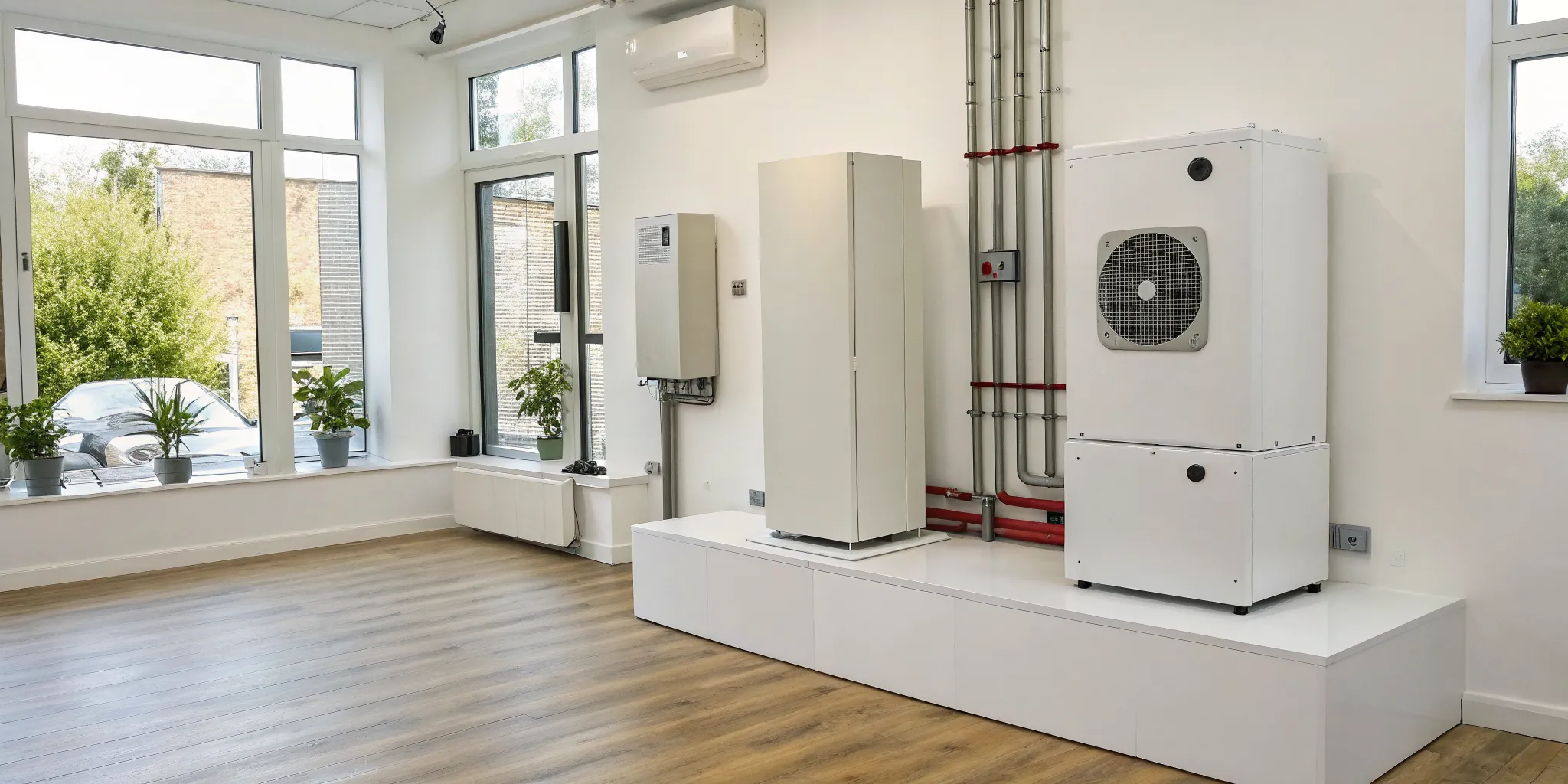
When your monthly energy bill arrives, does it make you want to hide under a blanket? It’s a frustrating cycle: you need to stay warm, but you don't want to pay a fortune for it. Many older heating systems are energy hogs, working overtime just to keep your home comfortable, and often failing to do even that. You end up with cold spots, drafty rooms, and a constant worry about the cost. This is where upgrading to an energy efficient heating system can completely change the game. It’s not just about a new piece of equipment; it’s about achieving consistent, reliable warmth while significantly cutting down your utility costs. This guide will walk you through what makes a system truly efficient, helping you find a solution that brings both comfort and financial relief.
Key Takeaways
- Look beyond the heater's rating: While efficiency ratings like AFUE and HSPF are important guides, a system's real-world performance also depends on your home. True efficiency is achieved when you pair a great heater with proper insulation and sealed air leaks.
- Match the system to your specific needs: There is no single best heating system for every home. The right choice depends on your local climate, budget, and home size, so it's important to compare options like versatile heat pumps for moderate areas and powerful gas furnaces for colder winters.
- Make your current system work smarter: Even if you're not ready for a full replacement, you can lower energy costs. Scheduling regular maintenance, sealing drafts around windows and doors, and installing a smart thermostat are simple steps that make a big impact on performance.
What Makes a Heating System Energy-Efficient?
When you hear "energy-efficient," it’s easy to think only about lower utility bills. While that’s a huge plus, a truly efficient heating system offers so much more. It’s about getting consistent, reliable warmth in every room without your heater working overtime. It’s about performance, longevity, and making a smart investment for your home. But how can you tell if a system is actually efficient? It starts with understanding the language of the industry and knowing what features make the biggest difference.
Instead of just looking at the price tag, you need to look at the performance ratings and features that contribute to long-term savings and comfort. An efficient system is designed to convert more of its fuel or energy into heat, minimizing waste and maximizing output. This means you stay comfortable while your heater runs less often, reducing wear and tear and saving you money month after month.
Understanding Efficiency Ratings: AFUE, HSPF, & SEER
Shopping for a new heater can feel like swimming in a sea of acronyms, but these ratings are your best tool for comparing models. For furnaces, the key rating is the Annual Fuel Utilization Efficiency (AFUE). This percentage tells you how much fuel is converted directly into heat. A modern high-efficiency furnace with a 95% AFUE means 95 cents of every dollar you spend on fuel warms your home, with only 5% being wasted.
For heat pumps, you’ll see Heating Seasonal Performance Factor (HSPF). A higher HSPF number indicates a more efficient system. Because heat pumps move heat rather than create it, their efficiency can be over 300%. You'll also see a Seasonal Energy Efficiency Ratio (SEER) rating, which measures cooling efficiency. When buying new equipment, a great starting point is to look for products that meet the government's ENERGY STAR standards for high efficiency.
Key Features of an Efficient System
Beyond the official ratings, several features separate a truly efficient system from a standard one. Modern systems often include variable-speed motors and multi-stage heating, which allow the unit to adjust its output to match your home's exact needs. This avoids the all-or-nothing blasts of older systems, providing more even temperatures and using less energy.
However, the equipment itself is only one piece of the puzzle. The most effective way to save energy is with a "whole-house approach." This means pairing your efficient heater with proper insulation, sealed air leaks, and a smart thermostat that learns your habits. An efficient system in a leaky, poorly insulated house will still have to work hard. By combining quality equipment with a well-maintained home, you’ll see lower energy costs, fewer cold spots, and a smaller environmental footprint. Our residential services are designed to ensure your entire system works together flawlessly.
Your High-Efficiency Heating Options
When you start looking at new heating systems, you’ll find there are more options than ever before. Gone are the days of one-size-fits-all solutions. Today’s high-efficiency models are designed to fit different homes, climates, and budgets, giving you the power to choose what truly works for you. Understanding the main types of systems is the first step in finding the perfect match for your home. From versatile heat pumps that cool and heat, to ultra-efficient geothermal units that tap into the earth's energy, the technology has come a long way. Making an informed choice means looking beyond the price tag and considering long-term energy savings, your home's specific needs, and even your environmental footprint.
Whether you're building a new home or replacing an old, tired furnace, this is your chance to get a system that delivers consistent comfort without the sticker shock of a high energy bill. Let's walk through the most popular choices so you can feel confident in your decision. We can help you find the right fit for your home, whether you need a new installation or want to explore your residential service options. It's all about finding that sweet spot between performance, cost, and efficiency. We'll cover everything from gas furnaces that offer powerful, reliable heat to radiant systems that warm your home from the floors up. Each has its own set of benefits, and one is likely the perfect solution for keeping your family comfortable all winter long.
Heat Pumps
Think of a heat pump as a heat mover, not a heat maker. It’s a clever, all-in-one system that provides both heating and cooling. In the summer, it pulls heat out of your home to keep you cool. In the winter, it reverses the process, extracting heat from the outside air and bringing it inside to warm your space. You might be surprised to learn that even cold air contains enough heat for the system to work effectively. This process of transferring heat is much more efficient than burning fuel to create it, making heat pumps an excellent choice for year-round comfort and energy savings in many California climates.
High-Efficiency Gas Furnaces
Gas furnaces are a familiar and reliable choice for many homeowners, and modern versions are more efficient than ever. Their efficiency is measured by an AFUE (Annual Fuel Utilization Efficiency) rating. A furnace with a 90% AFUE means that 90 cents of every dollar you spend on fuel is converted into heat for your home. Today’s high-efficiency furnaces can reach up to 98% AFUE, which is a huge improvement over older models. They are known for being quiet, providing strong and steady airflow, and performing exceptionally well during colder winter spells, making them a popular and cost-effective option.
Geothermal Heating Systems
If you're looking for the top tier of efficiency, geothermal systems are in a class of their own. These systems use the stable temperature of the earth to heat and cool your home, reaching efficiency ratings of 350% to 500%. Because the ground temperature stays consistent year-round, the system doesn't have to work as hard as other units. While the initial installation cost is higher, geothermal heating offers incredible long-term savings, requires very little maintenance, and has an exceptionally long lifespan. It's a significant investment in your home's comfort and sustainability.
Radiant Heating Systems
Imagine your floors providing a gentle, consistent warmth that spreads evenly throughout the room. That’s the comfort of a radiant heating system. Instead of blowing hot air, these systems heat your home through pipes or electric coils installed under the floor. This method eliminates drafts and operates silently, creating a uniquely cozy environment. The overall efficiency of a radiant system depends on its heat source, which could be a high-efficiency boiler or even a heat pump. It’s a luxurious heating solution that delivers unparalleled comfort from the ground up.
Electric Heating Systems
Electric heating systems are a straightforward and often versatile way to warm your home. These systems use electricity to generate heat, and they come in various forms, from baseboard heaters to electric furnaces that work with your existing ductwork. One of the main advantages of electric heating is the ability to have precise control over different zones or rooms, allowing you to heat only the spaces you’re using. While electricity costs can be higher in some areas, the lower installation cost and simple operation make it a viable option for many homes.
Weighing the Pros and Cons of Each System
Choosing a new heating system feels like a huge decision, because it is. Each option comes with its own set of benefits and drawbacks, and the right choice for your neighbor might not be the right one for you. Let's break down the most common high-efficiency systems so you can see how they stack up in terms of performance, cost, and overall comfort.
Heat Pumps
Heat pumps are the multitasking champions of the HVAC world. They are all-electric systems that provide both heating and cooling, which is a huge plus for simplifying your home's equipment. Instead of burning fuel, they cleverly move heat. In the winter, a heat pump pulls warmth from the outside air (yes, even when it’s cold) and transfers it inside. In the summer, it reverses the process to cool your home. This method is incredibly efficient, sometimes over 300% efficient, making them a fantastic, energy-saving choice for the moderate climates we see in the Bay Area and Central Valley. The main consideration is the upfront cost, which can be higher than a traditional furnace.
High-Efficiency Gas Furnaces
There’s a reason gas furnaces are so popular. They are reliable, powerful, and work exceptionally well in colder weather, delivering a steady flow of serious heat. Modern high-efficiency models have an Annual Fuel Utilization Efficiency (AFUE) rating between 90% and 98%, meaning almost all the fuel is converted directly into warmth for your home. This makes them a cost-effective option if you already have a natural gas line. The main drawback is that they only provide heat, so you’ll still need a separate air conditioner for cooling. If you're looking for a dependable heating-only solution, a high-efficiency furnace is a solid, time-tested choice.
Geothermal Heating Systems
Geothermal systems are the gold standard for efficiency, reaching an incredible 350% to 500% efficiency rating. They work by using the stable temperature of the earth itself to heat and cool your home. A series of underground pipes circulates fluid that absorbs the ground's heat in the winter and transfers it into your home. Because they are so efficient and have very few moving parts, they can last for decades with minimal maintenance, saving you a lot of money over time. The biggest hurdle is the initial investment. The installation process is more complex and expensive, but the long-term energy savings and environmental benefits are unmatched.
Radiant Heating Systems
Imagine walking on warm floors on a chilly morning. That’s the appeal of radiant heating. These systems circulate hot water through tubes under your floor, warming the surface and radiating heat upward for consistent, draft-free comfort. They are also completely silent. The efficiency of a radiant system depends on its heat source, which could be a high-efficiency boiler or even a heat pump. While the comfort is luxurious, installation can be complicated and costly, especially when retrofitting an existing home. They also tend to warm up and cool down more slowly than forced-air systems, so they require a bit more planning to use effectively.
Electric Heating Systems
Electric resistance heating, like baseboard heaters or an electric furnace, is another option. These systems are generally less expensive to install than other types and can be a good solution for homes without access to natural gas. Some electric heaters can even be paired with a storage system to warm up using cheaper, off-peak electricity rates. The primary downside is the operating cost. Since they generate heat directly from electricity, which can be expensive, they often cost more to run than a heat pump or gas furnace. For a whole-home solution, we typically recommend exploring more efficient heating and cooling options.
How to Choose the Right System for Your Home
Picking a new heating system feels like a huge decision, but it doesn't have to be overwhelming. When you break it down, it’s really about finding the right match for your home, your climate, and your budget. Think of it less as a purchase and more as a long-term investment in your comfort and your home's value. By looking at a few key factors, you can confidently choose a system that will keep you warm for years to come without wasting energy or money. Let's walk through exactly what you need to consider.
Consider Your Home's Size and Layout
It might seem logical that bigger is better, but when it comes to heating systems, that’s not the case. A system that’s too large for your space will cycle on and off frequently, which wastes energy and causes unnecessary wear and tear. One that’s too small will run constantly without ever reaching the right temperature. A professional technician performs a load calculation to account for your home's square footage, layout, window quality, and insulation levels. When you get a quote, ask your contractor for the energy fact sheets on different models. This lets you directly compare their efficiency and projected operating costs. A proper evaluation is the first step in our residential services.
Factor in Your Local Climate (Bay Area, Central Valley & Sacramento)
Your local weather plays a huge role in what system will work best for you. Here in California, our climates can vary quite a bit. The Bay Area has moderate, mild winters, while the Central Valley and Sacramento see hotter summers and cooler winters. For many homes in our area, a heat pump is an excellent, highly efficient choice. They work by moving heat rather than creating it, providing both heating in the winter and air conditioning in the summer. This two-in-one capability makes them a versatile and energy-saving solution perfectly suited for our region’s weather patterns, keeping you comfortable all year round.
Balance Upfront Cost vs. Long-Term Savings
It’s easy to get sticker shock when looking at high-efficiency heating systems. They often come with a higher price tag than standard models, but it’s important to look at the bigger picture. That initial investment can lead to significant long-term savings. For example, geothermal systems are more expensive to install at first but save a lot of money over time through incredibly low operating costs. Your monthly energy bills will be lower with any high-efficiency unit, and those savings add up. We can help you compare the total cost of ownership for different systems and estimate the payback period for your investment. You can contact us for an honest recommendation.
Find Available Rebates and Incentives
One of the best ways to make a high-efficiency system more affordable is by taking advantage of rebates and tax credits. Federal, state, and local utility programs often provide financial incentives to encourage homeowners to install energy-efficient equipment. These programs can significantly reduce the net cost of your new system. The available offers change frequently, so it’s worth checking for the latest deals. You can search for California-specific programs on resources like the Database of State Incentives for Renewables & Efficiency. Our team at Airteks stays current on these incentives and can help you identify every rebate and credit you qualify for to make your upgrade as affordable as possible.
Common Myths About Energy-Efficient Heating
When it comes to heating your home efficiently, there's a lot of advice floating around. Unfortunately, some of it is outdated or just plain wrong. These misconceptions can lead to higher energy bills and a less comfortable home, which is the last thing anyone wants. Let's clear up a few common myths so you can make smart, confident decisions about your home's heating and energy use. Understanding the truth behind these myths is the first step toward a more efficient system and a cozier home.
Myth: Heat pumps don't work in the cold
You might have heard that heat pumps struggle when the temperature really drops. While that may have been true for much older models, today's technology is a different story. Modern heat pump systems are designed to be incredibly versatile, providing efficient heating even in chilly conditions and switching seamlessly to cooling in the summer. They work by moving heat rather than creating it, which makes them a highly effective and energy-saving option for the varied climates across the Bay Area and Central Valley. They are a fantastic all-in-one solution for year-round comfort.
Myth: Running the heat constantly saves energy
It’s tempting to crank the thermostat way up when you feel a chill, hoping it will warm the house faster. In reality, your heating system produces heat at a constant rate, regardless of the temperature you set. Setting it higher just makes the system run longer, wasting energy and money. A much more efficient strategy is to set your thermostat to a steady, comfortable temperature. Using a programmable or smart thermostat can help you automate this process, lowering the temperature when you're away or asleep and saving energy without you having to think about it.
Myth: The higher upfront cost isn't worth it
The initial price of a high-efficiency heating system can seem steep, causing some homeowners to hesitate. However, it's important to look at the bigger picture. These systems are an investment that pays you back over time through significantly lower monthly energy bills. Plus, today’s high-efficiency models provide outstanding comfort, often with better air distribution and quieter operation than their standard counterparts. When you factor in long-term savings and improved home comfort, the value of upgrading your residential services becomes clear.
Myth: Closing vents in unused rooms saves energy
It seems logical: if you aren't using a room, close the vent to save energy. Unfortunately, this strategy usually backfires. Most residential HVAC systems are designed to circulate air throughout the entire home. Closing vents disrupts this balance, increasing pressure in your ductwork. This can lead to air leaks, reduce your system's efficiency, and put extra strain on its components, potentially leading to costly repairs. For a more effective approach to managing airflow and temperature in different areas, it's best to consult a professional.
Myth: Space heaters are cheaper than central heat
A small space heater is inexpensive to buy, but it's not a cheap way to heat your home. In fact, the electricity needed to run a space heater can cost far more than using your central heating system. According to the Department of Energy, space heaters are best for providing supplemental heat to a small, occupied space for a short time. Relying on them to heat entire rooms or as a primary heat source will almost certainly lead to a surprisingly high electricity bill. Your central heating system is the most cost-effective way to keep your whole house warm.
How to Improve Your Current System's Efficiency
Even if a brand-new heating system isn't in the budget right now, you can still take steps to make your current one work smarter, not harder. Improving your system's efficiency means lower energy bills and a more comfortable home. A few simple checks and upgrades can make a surprising difference in performance and cost, helping you get the most out of the heater you already have. These small adjustments can add up to significant savings and keep your home cozy all winter long.
Check Your System's Age and Maintenance Record
First, play detective with your current system. How old is it? Heating systems typically last 15 to 20 years, and older units are naturally less efficient than modern ones. If your system is approaching that age, it’s likely working harder and using more energy. Next, check its maintenance history. Has it been serviced annually? Consistent professional care is key to keeping it running at peak performance. Just like a car, your heater needs regular tune-ups to prevent costly breakdowns and maintain efficiency. If it’s been a while, scheduling routine HVAC maintenance can help restore some of its lost performance and give you a clear picture of its overall health.
Inspect Your Home's Insulation and Air Sealing
Your heater can be working perfectly, but if that warm air is escaping through cracks and gaps, you’re just heating the outdoors. Poor insulation and air leaks are common culprits of high energy bills. You can start with a simple do-it-yourself (DIY) energy assessment to find problem areas. On a breezy day, check for drafts around windows, doors, electrical outlets, and anywhere pipes or vents enter your home. Also, take a look at your attic insulation; if it’s below the level of the floor joists, you may need to add more. Sealing these leaks with caulk or weatherstripping is a low-cost fix that delivers immediate results.
Install a Smart or Programmable Thermostat
If you’re still using an old manual thermostat, you’re missing out on one of the easiest ways to save energy. Upgrading to a programmable or smart thermostat allows you to automate your heating schedule. You can set it to lower the temperature when you’re asleep or away from home and warm it back up before you wake up or return. This simple change prevents your system from running unnecessarily, which can lead to significant savings on your heating bills. Smart thermostats go a step further by learning your habits and adjusting automatically, often allowing you to control the temperature from your phone.
Schedule a Professional Energy Audit with Airteks
While a DIY check is a great start, a professional energy audit provides a complete and accurate picture of your home's efficiency. If you’ve sealed obvious leaks but your bills are still high, it’s time to call in an expert. Our technicians use specialized tools like blower doors and infrared cameras to pinpoint exactly where your home is losing energy, from hidden cracks in the ductwork to insufficient wall insulation. Based on the findings, we provide honest, actionable recommendations to make your home more comfortable and reduce energy waste. Ready for a comprehensive evaluation? You can schedule a professional energy audit with our team today.
Is It Time for a Heating System Upgrade?
Deciding whether to repair your furnace or replace it entirely can feel like a big decision, because it is. While a simple repair might solve an immediate problem, there comes a point when investing in a new system is the smarter financial move. If your heater is getting older or requires frequent service calls, it’s worth looking at the bigger picture. An aging, inefficient unit can quietly drain your bank account through high energy bills and surprise repair costs. Thinking about a replacement isn't just about getting a new piece of equipment; it's about investing in your home's long-term comfort, efficiency, and value.
Signs Your Current System Is Failing
It’s easy to ignore a furnace that’s still technically working, but certain signs are clear warnings that it's on its last legs. A sudden spike in your utility bills is a major red flag. Since home heating systems can account for nearly a third of your energy use, an inefficient unit will make its presence known on your monthly statement. You might also notice inconsistent heating, with some rooms feeling chilly while others are too warm. If your system runs constantly just to keep up or makes strange noises, it’s struggling. When you find yourself facing a major repair, it may be time to consider if a full replacement is the more sensible option.
The Benefits of Upgrading Your Heater
A new, energy-efficient heater offers more than just reliable warmth. The most immediate advantage is the cost savings. Choosing an energy-efficient model can make a significant difference in your utility bills and overall comfort. Modern systems use less energy to produce the same amount of heat, which means lower monthly costs and a smaller carbon footprint. Using less energy helps reduce pollution, which is a great bonus. Beyond the savings, you get peace of mind. A new system operates quietly and effectively, providing consistent comfort without the worry of an unexpected breakdown on a cold winter night.
Frequently Asked Questions
My energy bills are high, but I'm not ready for a new system. What's the first thing I should do? The best place to start is with an inspection of your home's insulation and air sealing. Your heater could be running perfectly, but if warm air is escaping through gaps around windows, doors, or in the attic, you're losing energy and money. Sealing these leaks is a low-cost fix that can make an immediate difference. After that, consider upgrading to a programmable or smart thermostat to automate your heating schedule and prevent the system from running when you don't need it.
What's the difference between AFUE and HSPF, and which one matters for me? Think of these as the "miles per gallon" ratings for your heating system. AFUE (Annual Fuel Utilization Efficiency) is for furnaces and tells you what percentage of fuel is turned directly into heat. HSPF (Heating Seasonal Performance Factor) is for heat pumps, which move heat instead of creating it. A higher number is better for both, but you'll look at AFUE when shopping for a gas furnace and HSPF when considering a heat pump.
Are heat pumps powerful enough for the winters in the Central Valley or Sacramento? Absolutely. While older heat pumps sometimes struggled in colder weather, modern systems are designed to work efficiently even when temperatures drop. They are an excellent all-in-one solution for our California climates because they provide very efficient heating in the winter and act as a standard air conditioner in the summer. This versatility makes them one of the most popular and cost-effective choices for year-round comfort in our region.
How do I know if it's more cost-effective to repair my old furnace or replace it? A good rule of thumb is to consider the age of your system and the cost of the repair. If your furnace is over 15 years old and the repair cost is significant, that money is often better invested in a new, high-efficiency unit. Frequent breakdowns, strange noises, and a sudden jump in your energy bills are all signs that your current system is struggling and likely costing you more in the long run than a replacement would.
Besides the lower energy bills, are there other benefits to upgrading to a high-efficiency system? Yes, the improvement in your home's comfort is a huge benefit. Modern systems provide much more consistent heat, eliminating the cold spots and drafts common with older units. They also operate much more quietly, so you won't have to listen to a loud furnace kicking on and off all winter. Plus, a new, reliable system gives you peace of mind, knowing you won't be facing an unexpected breakdown during a cold snap.
Comments