
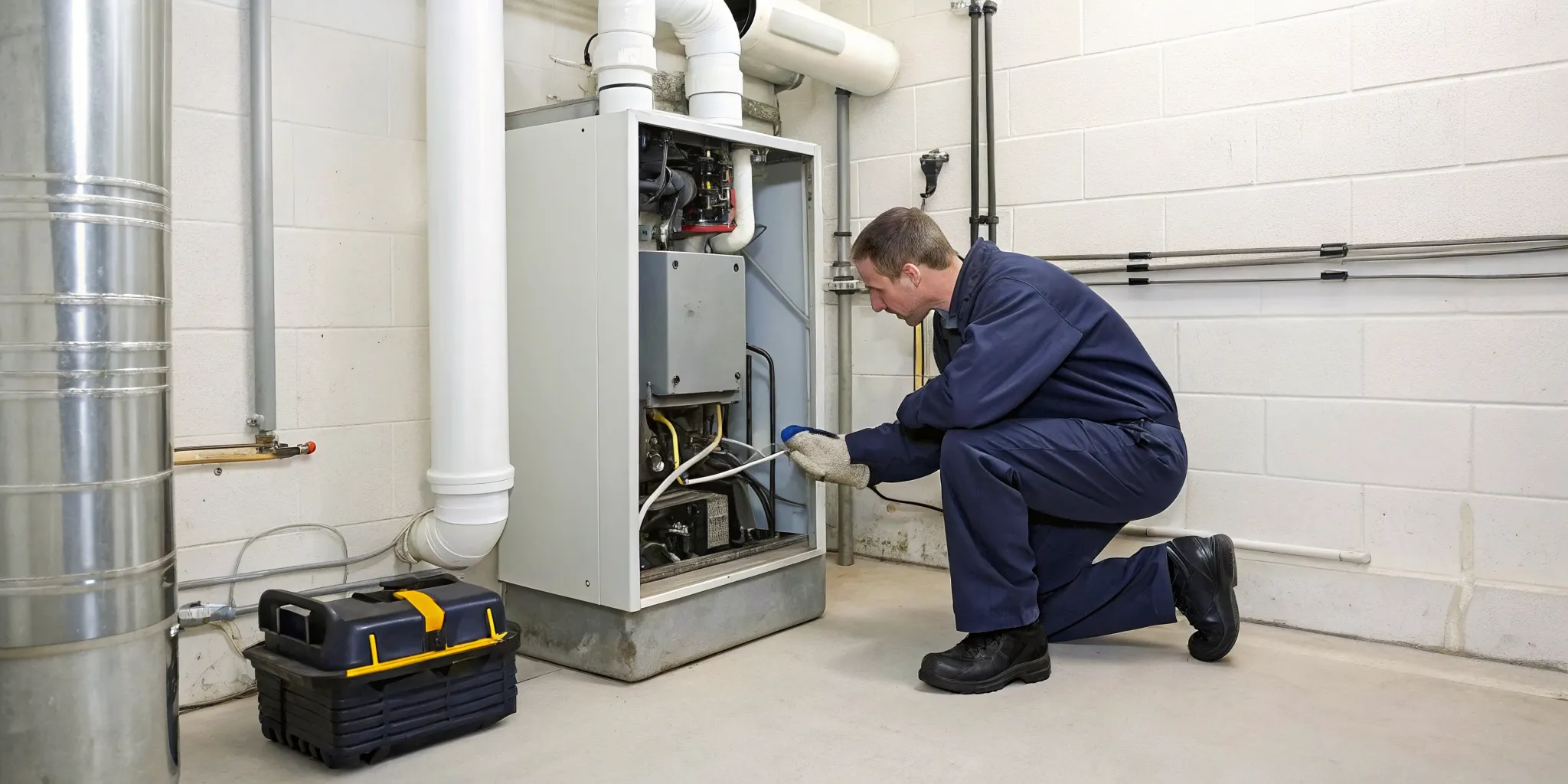
Have you noticed your heating bills creeping up for no apparent reason? Or maybe there’s a strange rattling sound every time the heat kicks on? These aren't just minor annoyances; they're your furnace's way of telling you it needs attention. Ignoring these warning signs can lead to bigger problems, reduced efficiency, and even a complete system failure. This is where a professional gas furnace tune-up comes in. It’s a comprehensive service designed to diagnose and address those small issues before they become big, expensive emergencies. Let’s explore the signs that your furnace is due for a check-up and how regular maintenance can save you stress and money.
Key Takeaways
- Protect Your Home and Wallet: A yearly tune-up is essential for safety, allowing technicians to find potential carbon monoxide leaks. This service also improves your furnace's efficiency, which can lead to lower monthly energy bills.
- Book Your Tune-Up Annually: Schedule your furnace service once a year, preferably in the fall, to prevent breakdowns during cold weather. Pay attention to warning signs like strange noises or high bills, as these mean your system needs an inspection sooner.
- Do Your Part Between Visits: You can help your furnace run smoothly with a few simple tasks. Change your air filter every one to three months, keep the area around the unit clear, and test your carbon monoxide detectors monthly to support your system's performance.
What Is a Gas Furnace Tune-Up?
Think of a furnace tune-up as a comprehensive annual check-up for your home’s heating system. It’s much more than just a quick look; it’s a detailed inspection and maintenance service performed by a trained professional. The main goal is to make sure your furnace runs safely, efficiently, and reliably, especially when you need it most during the colder months.
During a tune-up, a technician methodically works through a checklist to inspect, clean, test, and adjust all the critical components of your furnace. This proactive approach helps catch small issues before they turn into major, expensive breakdowns. It ensures your system is ready to perform at its best, keeping your home comfortable while managing your energy costs. By scheduling regular HVAC maintenance, you’re making a smart investment in the longevity and performance of your equipment.
What Does a Tune-Up Actually Involve?
A professional furnace tune-up is a thorough process designed to get your heating system in top shape. A technician will start by inspecting the entire system, from the internal components to the external connections. This includes cleaning key parts that can get clogged with dust and debris over time, like the burners and blower assembly.
They will also lubricate moving parts to reduce friction, check and tighten electrical connections to prevent failures, and test the system’s safety controls. The service isn't complete until the technician runs a full heating cycle to confirm everything is operating correctly and efficiently. It’s a complete diagnostic and cleaning service that ensures your furnace is ready for winter.
Inspecting for Safety: Burners, Heat Exchanger, and Flue
One of the most important parts of a furnace tune-up is the safety inspection. Your technician will pay close attention to the heat exchanger, a component that separates the combustion process from the air you breathe. They will carefully check it for any cracks or corrosion, as a damaged heat exchanger can leak dangerous carbon monoxide into your home.
They will also inspect the burners to ensure they ignite properly and burn cleanly. The flue pipe, which vents exhaust gases outside, will be checked for any blockages or leaks that could cause a backup of harmful fumes. These safety checks are critical for protecting your family and are a key reason why tune-ups should always be handled by a qualified professional.
Improving Airflow: Filters and Blower Motor
Proper airflow is essential for both your comfort and your furnace’s efficiency. If air can’t move freely through the system, your furnace has to work harder, which drives up energy bills and causes extra wear and tear. During a tune-up, the technician will inspect your air filter and replace it if necessary.
They will also clean and inspect the blower motor and wheel, which are responsible for pushing warm air through your home’s ductwork. Removing the dust and grime that builds up on these components helps the motor run smoothly and distribute air more effectively. This simple cleaning can make a noticeable difference in how evenly your home heats and how much you spend on energy.
Fine-Tuning for Reliability: Electrical, Thermostat, and Testing
To ensure your furnace runs reliably all season, a technician will fine-tune its operational components. This involves checking all electrical connections and wiring for tightness and signs of wear, which helps prevent unexpected system shutdowns. They will also test the thermostat to make sure it’s calibrated correctly and communicating properly with the furnace.
Finally, the technician will test the full start-up and shutdown cycle. This confirms that every part of the sequence, from the ignitor firing up to the blower shutting off, is working exactly as it should. This final test gives you peace of mind that your furnace is ready to handle the winter without any surprises. If you think your system is due for a check, you can contact our team to schedule a visit.
Why Regular Furnace Tune-Ups Are Worth It
Thinking about skipping your annual furnace tune-up? You might want to reconsider. This simple maintenance step is one of the smartest investments you can make for your home, offering benefits that go far beyond just keeping you warm. From saving money on your monthly bills to ensuring your family’s safety, regular tune-ups are a non-negotiable part of responsible homeownership. Let's break down exactly why this service is so important.
Lower Your Heating Bills and Improve Efficiency
A furnace that's running smoothly is a furnace that's running efficiently. Over time, dust and debris can build up on internal components, and parts can wear down. This forces your system to work harder and burn more fuel to produce the same amount of heat. During a tune-up, a technician cleans and calibrates these components, restoring your furnace to its peak efficiency. A clean and well-tuned furnace uses less energy, which means you’ll see a welcome difference in your monthly heating bills. It’s a simple way to make your home more comfortable while keeping costs down.
Protect Your Home from Gas and Carbon Monoxide Leaks
This is the most important reason of all: your family's safety. Gas furnaces are powerful, but they create combustion byproducts, including carbon monoxide (CO). A tiny crack in the heat exchanger, which can be invisible to the naked eye, could allow this dangerous gas to leak into your home. Since CO is odorless and colorless, you might not know there's a problem until it's too late. During a professional tune-up, technicians perform specific tests to check for dangerous gas leaks or carbon monoxide issues, giving you peace of mind that your system is operating safely.
Extend Your Furnace's Lifespan and Keep Your Warranty Valid
Think of your furnace like your car; it needs regular maintenance to run well for a long time. A furnace is a major home investment, and you want it to last as long as possible. Regular care helps your furnace last longer, delaying the need for a costly replacement. Beyond that, many manufacturers’ warranties actually require proof of annual maintenance to remain valid. If your furnace breaks down and you haven't been scheduling tune-ups, your warranty claim could be denied, leaving you to foot the entire bill for the repair. A tune-up is a small price to pay to protect your investment and your warranty.
Prevent Unexpected Breakdowns and Emergency Repairs
A furnace never breaks down at a convenient time. It almost always happens during the coldest night of the year, leaving you and your family in a lurch. Regular maintenance is your best defense against these stressful and expensive surprises. During a tune-up, a technician can identify worn-out parts and address small issues before they turn into major system failures. Catching small problems early can stop expensive emergency repairs later, saving you from the headache and high cost of a sudden breakdown. It’s all about being proactive instead of reactive.
Warning Signs Your Furnace Needs a Tune-Up
Your furnace usually gives you a heads-up before it quits on you. Paying attention to small changes in its performance can help you catch problems early and avoid a no-heat emergency on a cold night. While an annual tune-up is the best preventative care, if you notice any of the following signs, it’s a good idea to call a professional, even if it’s not time for your scheduled service. Think of these as your furnace’s way of asking for a little help. If your system is struggling, it's best to get it checked right away to prevent a small issue from becoming a major breakdown.
Strange Noises: Banging, Rattling, or Squeaking
A quiet hum is normal, but loud bangs, persistent rattles, or high-pitched squeals are not. These sounds often point to specific mechanical issues. A loud bang when the furnace kicks on could signal an ignition problem, while rattling might mean a loose panel or debris in the system. Squeaking frequently comes from a struggling blower motor or belt. Ignoring these strange furnace noises is like ignoring the check engine light in your car; it’s best to have a technician diagnose the sound before it leads to a bigger, more expensive repair.
Uneven Heating or Weak Airflow
Are some rooms in your house freezing while others are perfectly warm? Or do you feel barely any air coming from your vents? Uneven heating and weak airflow are classic signs that your furnace is struggling. The problem could be as simple as a clogged air filter that’s restricting airflow. It could also point to a more serious issue, like a failing blower motor or leaky ductwork. During a tune-up, a technician will check these components to make sure warm air is being created and distributed efficiently. If you're dealing with inconsistent temperatures, it's a clear signal your system needs a professional look from our residential services team.
A Sudden Spike in Your Energy Bills
Your utility bill is one of the most telling indicators of your furnace's health. If you haven't changed your thermostat habits but your heating costs are climbing, your furnace is likely the reason. As components get dirty or wear out, the system has to work much harder to heat your home, causing it to consume more gas or electricity. A well-maintained furnace operates at peak efficiency, using less energy to keep you warm. As experts from Bryant note, a clean and tuned system directly translates to lower heating bills. That sudden increase is your wallet's way of telling you it’s time for a tune-up.
More Dust Circulating Through Your Home
If you feel like you’re constantly dusting or your allergies are flaring up inside, take a look at your furnace. Your heating system plays a huge role in your home's air quality. When the air filter is clogged and the internal parts are covered in dust, the furnace can end up circulating those particles throughout your home every time it runs. A key part of any furnace tune-up is cleaning the system and replacing the filter, which helps remove dust and allergens from your home's air. A cleaner furnace means cleaner air and less time spent dusting.
How Often Should You Schedule a Furnace Tune-Up?
So, how often does your furnace really need a professional look-over? The simple answer is once a year. Think of it like an annual physical for your home's heating system. This yearly appointment is the industry-wide recommendation for keeping your furnace running efficiently, safely, and reliably through every cold snap. It’s not just about preventing a mid-winter breakdown, though that’s a huge plus. Regular maintenance helps our technicians catch small issues before they become expensive problems, ensures your system isn’t leaking dangerous gases like carbon monoxide, and keeps your energy bills from creeping up unexpectedly.
An annual tune-up is the best way to get the most out of your investment and maintain peace of mind. While a yearly schedule is the rule of thumb, the timing of that appointment can make a big difference in your convenience and comfort. You’ll also want to keep an eye out for specific warning signs that your furnace might need attention sooner rather than later. Whether you own a home or manage a business, our comprehensive heating services are designed to take the guesswork out of system care and keep you comfortable all winter long.
The Best Time of Year for a Tune-Up
When it comes to scheduling your annual tune-up, timing is everything. The ideal time to have your furnace serviced is in the early fall. Getting it done before the cold weather truly sets in means you won't be caught off guard by a system that won't turn on during the first chilly night. It also gives you plenty of time to handle any necessary repairs without the stress of a freezing house. Plus, fall is a "shoulder season" for HVAC technicians, so you'll likely have an easier time booking an appointment that fits your schedule. It’s a simple, proactive step that sets you up for a warm and worry-free winter.
Factors That Determine How Often You Need Service
While once a year is the standard, sometimes your furnace will tell you it needs help sooner. If you notice any new or unusual signs, it’s best to call a professional right away, regardless of when your last tune-up was. Pay attention to strange noises like banging or rattling, rooms that feel colder than others, or a sudden, unexplained jump in your energy bills. Weak airflow from your vents is another clear signal. It's also important to check your furnace's warranty, as many manufacturers require proof of annual maintenance to keep it valid. If you spot any of these issues, don't wait. You can contact us to have a technician diagnose the problem quickly.
How to Maintain Your Furnace Between Tune-Ups
A professional tune-up is the best way to keep your furnace running safely and efficiently, but there are a few simple things you can do between appointments to support its performance. Think of it like checking the oil in your car between services. These small steps help you catch minor issues before they become major headaches, ensuring your system is ready when you need it most. Taking a few minutes each month for these tasks can go a long way in maintaining your home’s comfort and safety.
Change Your Air Filter Every 1–3 Months
This is one of the easiest and most effective things you can do for your furnace. A dirty, clogged air filter forces your system to work much harder to pull in air. This not only wastes energy but also puts extra strain on the components, which can lead to premature breakdowns. Check your filter monthly and replace it if it looks dirty. A good rule of thumb is to change it every 90 days, but if you have pets, smokers, or allergy sufferers in the house, you may need to change it as often as every 30 days.
Keep the Area Around Your Furnace Clear
Your furnace needs room to breathe. Make sure the area immediately surrounding your furnace is free of boxes, laundry, and other stored items. Keeping at least three feet of clear space around the unit ensures it has proper airflow to operate efficiently. This simple housekeeping task also reduces fire hazards and makes it easier and safer for a technician to perform routine HVAC maintenance. A cluttered space can block vents and create a dangerous situation, so it’s best to keep the utility room tidy.
Test Your Carbon Monoxide Detectors
Because gas furnaces burn fuel to create heat, there is always a small risk of a carbon monoxide (CO) leak, especially if the system is malfunctioning. A malfunctioning furnace can produce dangerous levels of this odorless, colorless gas. For your family’s safety, you should have CO detectors installed on every level of your home, especially near sleeping areas. Test them once a month by pressing the "Test" button to ensure the alarm sounds. Replace the batteries at least once a year or whenever the device chirps to signal a low battery.
Watch for Sudden Increases in Your Energy Bills
Your utility bills are a great indicator of your furnace’s health. While you can expect bills to be higher during the coldest months, a sudden and unexplained spike often means your furnace is working harder than it should. This could be due to a clogged filter, a developing mechanical issue, or another inefficiency. If you notice your heating costs are climbing without a clear reason, it’s a sign that your system needs a professional inspection. Don't wait for a complete breakdown; it's better to contact us to have it checked out.
Ready to Schedule Your Furnace Tune-Up?
Scheduling a professional furnace tune-up is one of the best ways to keep your heating system running smoothly and safely. Think of it as a preventative check-up for your home. It’s a simple step that catches small issues before they turn into expensive, middle-of-the-night emergencies. By having a technician inspect your system, you’re not just ensuring it works; you’re also protecting your home from potential safety hazards and keeping your energy bills in check.
We recommend scheduling your tune-up in the early fall. This timing is ideal because you can get everything sorted out before the cold weather arrives, and you’ll beat the winter rush when HVAC technicians are busiest. An annual tune-up is a small investment that pays for itself by improving efficiency and extending the life of your furnace. Most tune-ups cost between $70 and $200, which is far less than an emergency repair call.
If you live in the Bay Area, Central Valley, or Sacramento and want peace of mind this winter, our team is here to help. We provide honest, thorough residential services to make sure your system is reliable and ready for the season. You can trust us to give you straightforward recommendations without any pressure. When you're ready, contact us to schedule your appointment.
Frequently Asked Questions
How long does a typical furnace tune-up take? You can expect a thorough furnace tune-up to take about 60 to 90 minutes. The technician needs enough time to perform a detailed inspection, clean essential components, and run tests to make sure everything is working correctly. If your system is older or hasn't been serviced in a while, it might take a bit longer, but we'll always be upfront about the process.
Is a tune-up really necessary for a brand-new furnace? Yes, it's a great idea. Think of the first tune-up as setting a performance baseline for your new system. It ensures everything was installed perfectly and is running at peak efficiency from the start. More importantly, most manufacturers require proof of annual maintenance to keep your warranty valid, so scheduling that first-year tune-up protects your investment.
What happens if the technician finds a problem during the tune-up? If we discover an issue, our first step is to show you exactly what we found and explain the situation in plain language. We will then walk you through your options, whether it's a simple adjustment or a part that needs to be repaired or replaced. You'll receive a clear, honest quote for any additional work before we proceed, so you can make an informed decision without any pressure.
Is a furnace tune-up the same thing as a repair service? Not quite. A tune-up is proactive maintenance designed to prevent problems and keep your system running efficiently. A repair service, on the other hand, is reactive; it's what you schedule when something has already broken. By getting regular tune-ups, you can often catch small issues before they turn into a major system failure that requires an emergency repair call.
Can I just change the filter and skip the professional tune-up? Changing your filter is a fantastic habit that definitely helps your furnace, so keep doing it. However, it doesn't replace a professional tune-up. Our technicians use specialized tools to clean internal components, test electrical connections, and inspect the heat exchanger for dangerous cracks. These are critical safety and performance checks that go far beyond what a filter change can accomplish.
Comments