
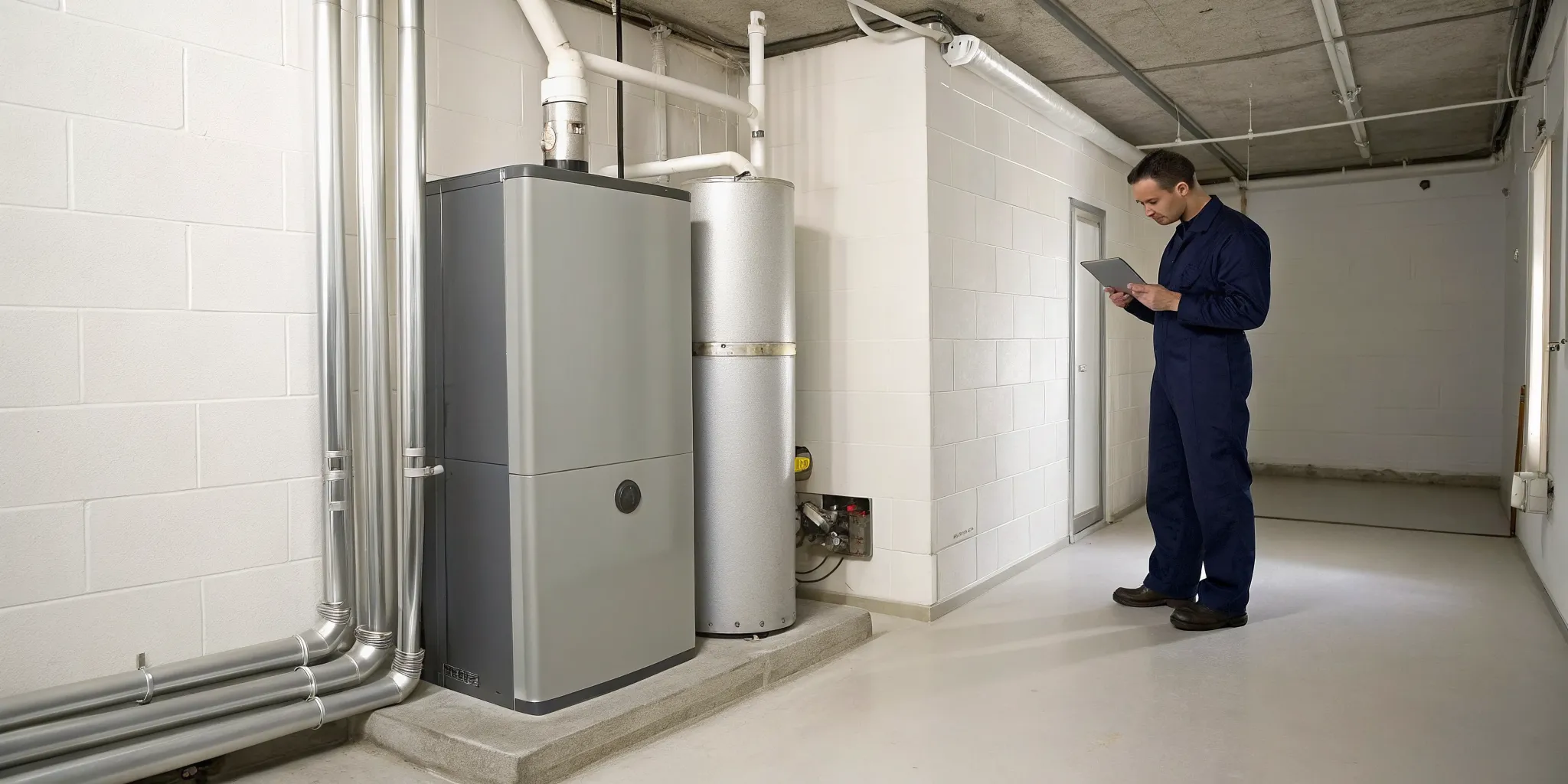
Living in Northern California, whether it’s the Bay Area, Central Valley, or Sacramento, means our heating needs are unique. Our moderate winters allow for smart, energy-efficient solutions that might not be the standard in other parts of the country. So, when you ask how much to install a new furnace, the answer for our region can be different from the national average. Local factors, from climate-specific technology like heat pumps to regional labor costs, all play a role. As local experts, we understand these nuances. This guide provides cost information specifically for Northern California homeowners, helping you choose the most effective and economical heating system for your property and our specific climate.
Key Takeaways
- Budget for the complete project: The final price isn't just the furnace; it also covers the cost of professional installation, local permits, removing the old unit, and any ductwork fixes needed for the new system to work well.
- Know what drives the price: The final cost depends on key choices you make, such as the furnace type (gas or electric), its efficiency rating (AFUE), and the specific size your home requires for even heating.
- Be a smart shopper: You can lower the overall cost by getting multiple quotes from licensed pros, looking for available rebates and tax credits, and asking about financing plans to make the payment more manageable.
How Much Does a New Furnace Really Cost?
Let's talk numbers. When you start looking into a new furnace, the price tag is often the first thing on your mind. The truth is, there isn't one single answer because every home is different. For a new gas furnace, most homeowners in our area can expect to pay somewhere between $3,800 and $12,000. That's a big range, I know. This price includes both the furnace unit itself and the cost of professional installation, which is a critical piece of the puzzle. If we narrow it down to a typical medium-sized home, say between 1,600 and 2,000 square feet, the average cost often lands right around $7,000.
So, why the wide variation? The final price depends on a few key things, mainly the type of furnace you choose, its efficiency rating, and the size of your home. Think of it like buying a car; a basic sedan and a luxury SUV have very different prices, even though they both get you from point A to point B. Your home's heating needs are unique, and the right furnace for your neighbor might not be the right one for you. We'll break down these factors so you can get a clearer picture of what to expect for your specific situation and what goes into our residential services.
Breaking Down Costs by Furnace Type
The most common furnace types are gas and electric, and your choice here will have a big impact on the initial cost. Gas furnaces are the go-to for many homes, especially in areas that see colder winter temperatures. They are highly efficient at producing powerful heat. The upfront cost for a gas furnace, including installation, typically runs from $4,500 to $8,000. Keep in mind they require a gas line and proper venting, which can factor into the installation process.
Electric furnaces, on the other hand, are usually less expensive to install, with costs ranging from $3,400 to $7,600. They are simpler in design, which can mean easier maintenance down the road. The main trade-off is that electricity often costs more than natural gas, so your monthly energy bills might be higher. Deciding between gas versus electric often comes down to your home's existing setup and your long-term budget.
How Home Size Affects the Price
It makes sense that the size of your home is a major factor in furnace pricing. A larger, 2,500-square-foot house simply requires a more powerful furnace to keep every room warm and comfortable compared to a smaller, 1,200-square-foot home. A bigger, more powerful unit will naturally cost more. For example, installing a complete HVAC system, which includes both heating and air conditioning, for a 2,000 to 2,500-square-foot home can range from $10,000 to $20,000.
However, square footage isn't the only thing that matters. An expert technician will also look at your home's layout, insulation quality, and window efficiency to determine the perfect size. An undersized furnace will struggle to keep up, while an oversized one will cycle on and off too frequently, wasting energy and causing unnecessary wear. Getting a professional assessment is the best way to ensure you invest in the right size furnace, and we're always here to help you get a quote.
What Goes Into the Cost of a New Furnace?
When you start shopping for a new furnace, you’ll quickly find that the price isn't a simple one-size-fits-all number. The final cost is a mix of the unit itself and several other important factors that ensure it runs safely and efficiently in your home for years to come. Think of it less like buying an appliance off the shelf and more like a custom home improvement project. From the type of fuel it uses and its efficiency rating to the specific size your home needs, each piece plays a role in the total investment. We'll also look at how our unique Northern California climate influences the best choice for you. Understanding these components will help you see exactly what you’re paying for and make the best decision for your budget and comfort. It’s about finding that perfect balance between upfront cost and long-term value, so you can stay warm without worrying about your energy bills.
Furnace Type and Fuel Source
Your first big decision is choosing between a gas or electric furnace, and this choice heavily influences the price. Electric furnaces typically have a lower upfront purchase price. The trade-off is that electricity costs can make them more expensive to run long-term, depending on local utility rates. On the other hand, a new gas furnace might cost more initially but often leads to lower monthly energy bills, making it a popular choice for many homeowners. We can help you compare the lifetime costs of each option based on your home and local energy prices to see which makes the most sense for you.
Understanding Furnace Efficiency (AFUE)
You'll see a rating called AFUE, or Annual Fuel Utilization Efficiency, on every new furnace. Think of it like a car's MPG rating: the higher the number, the more heat you get for every dollar you spend on fuel. A standard furnace might have an AFUE of 80%, meaning 80% of the fuel becomes heat and 20% is lost. High-efficiency models can have AFUE ratings of 95% or more. While more efficient furnaces cost more at first, they can save you money on energy bills over time. We can walk you through the potential long-term savings to see if a high-efficiency unit is the right investment for your home.
Getting the Right Furnace Size
Bigger isn't better when it comes to furnaces. A unit that's too large will cycle on and off too frequently, driving up energy bills and causing extra wear and tear. One that's too small will run constantly without ever properly heating your home. An expert will perform a "load calculation" to determine the perfect size for your space, considering factors like square footage, insulation, and window placement. We also inspect your existing ductwork. If your ducts are old, leaky, or improperly sized for a new system, fixing or replacing them is essential for your new furnace to perform its best.
Why Your Northern California Climate Matters
Living in the Bay Area, Central Valley, or Sacramento means our heating needs are different from other parts of the country. Our moderate winters make certain technologies especially effective. For instance, a high-efficiency heat pump or a dual-fuel system (which pairs a heat pump with a gas furnace) can be a smart way to cut annual energy costs. It’s also true that installation costs here can be higher than the national average. As local experts, we understand these climate-specific factors and can recommend the most cost-effective and efficient heating system solutions for your Northern California home.
Budgeting for the Extras: Other Costs to Plan For
Getting a quote for a new furnace is a great first step, but it's helpful to remember that the price of the unit itself is just one part of the total investment. The final invoice will include several other necessary services and potential upgrades that ensure your system runs safely and efficiently for years to come. Thinking about these costs ahead of time helps you create a realistic budget and avoid any surprises. Let's walk through the common additional expenses so you know exactly what to expect when you invest in a new heating system for your home.
Professional Installation Labor
Hiring a qualified, licensed technician is non-negotiable for a safe and effective furnace installation. This labor cost covers the installer's expertise, time, and the guarantee that your system will be set up correctly and according to local codes. The complexity of the job can affect the total hours needed; for example, installing a furnace in a cramped attic will naturally take more time than in an easily accessible garage. This fee reflects the skill required to handle gas lines, electrical connections, and ventilation safely. When you get a quote, this cost should be clearly itemized for you.
Ductwork Repairs and Modifications
Your furnace can only work as well as the ductwork that distributes its heat. If your home's ducts are old, leaky, or improperly sized for the new system, you'll lose heated air and waste money before it ever reaches your rooms. A thorough contractor will inspect your ductwork and recommend any necessary repairs. According to ENERGY STAR, sealing and insulating ducts can improve the efficiency of your heating system by as much as 20 percent. While it's an added expense, think of it as an investment that ensures your new, efficient furnace can deliver on its promise of lower energy bills.
Local Permits and Inspections
Most municipalities in the Bay Area, Central Valley, and Sacramento require a permit for a furnace replacement. This isn't just red tape; it's a critical safety measure to ensure the installation meets strict building codes, protecting you and your family. Your HVAC contractor typically handles the entire permit process, from filing the paperwork to scheduling the final inspection with the city or county. The cost of the permit is passed on to you and is a small price to pay for the peace of mind that comes with knowing your new furnace was installed correctly and safely by the book.
Removing Your Old Furnace
Before your new furnace can be installed, the old one has to go. This process involves safely disconnecting the unit from gas and electrical lines, removing it from your home, and ensuring it's disposed of properly according to environmental regulations. This service is almost always included in your installation quote, but it's always a good idea to confirm. The cost covers the labor involved in the removal and any associated disposal or recycling fees. A professional team will handle this carefully to avoid any damage to your home, making the transition to your new system smooth and hassle-free.
Thermostat Upgrades and Add-Ons
Installing a new furnace is the perfect time to upgrade your thermostat. While you can stick with a basic model, a programmable or smart thermostat can significantly improve your system's efficiency and your home's comfort. Smart thermostats learn your heating preferences and can be controlled from your phone, helping you save energy when you're away. According to the Department of Energy, using a programmable thermostat correctly can save you about 10% a year on heating and cooling bills. It's a relatively small investment that delivers noticeable savings and convenience over time.
Warranties and Maintenance Plans
A good warranty is a sign that both the manufacturer and the installer stand behind their product and workmanship. Your new furnace will come with a manufacturer's warranty on parts, but you should also ask your contractor about their labor warranty, which covers the cost of labor if a repair is needed. To protect your investment for the long haul, consider a routine HVAC maintenance plan. Regular tune-ups keep your system running at peak efficiency, prevent unexpected breakdowns, and are often required to keep your manufacturer's warranty valid, making it a smart and proactive choice.
Smart Ways to Save on Your New Furnace
A new furnace is a significant investment in your home’s comfort, but the price tag doesn’t have to be a shock. With a little planning and some insider knowledge, you can find ways to save money without sacrificing quality or long-term performance. It’s all about making smart, informed decisions at every step of the process. Feeling in control of a big purchase comes from knowing your options and having a clear strategy. From choosing the right model to scheduling your installation at the perfect time, you have more power than you might think. Here are some practical ways to manage the cost of your new furnace and make a choice you’ll feel great about for years to come.
Choose the Right Efficiency Level
It can be tempting to go for the cheapest furnace upfront, but that might cost you more in the long run. A furnace’s efficiency is measured by its Annual Fuel Utilization Efficiency (AFUE) rating. While a standard-efficiency furnace has a lower initial price, a high-efficiency model can lead to significant savings on your monthly energy bills. Think about it as an investment. You pay a bit more now to reduce your heating costs for years to come. We can help you compare models and calculate the potential long-term savings to see which efficiency level makes the most sense for your budget and home.
Find Rebates and Tax Credits
Don’t leave free money on the table. Many utility companies, local governments, and even the federal government offer rebates and tax credits for installing energy-efficient HVAC systems. These incentives are designed to encourage homeowners to choose greener options, and they can shave hundreds of dollars off your total cost. You can check for programs directly with your utility provider or look for federal tax credits. A knowledgeable contractor can also be a great resource, as we stay up-to-date on available rebates and incentives and can help you with the paperwork.
Schedule Installation During the Off-Season
If your current furnace is getting old but hasn't failed completely, you have a strategic advantage. HVAC contractors are busiest during the extreme cold of winter and the peak heat of summer. If you can, schedule your furnace installation during the milder months, like late spring or early fall. During these "shoulder seasons," demand is lower, and you may find more flexible scheduling and potentially better pricing. Planning ahead instead of waiting for an emergency breakdown gives you the power to replace your system on your own terms and your own timeline.
Get Quotes from Licensed Contractors
Never settle for the first quote you receive. It’s a good practice to get at least three detailed, written estimates from different licensed and insured HVAC contractors. A proper quote should be more than just a number; it should break down the costs clearly. Make sure it lists the specific furnace make and model, labor costs, any necessary ductwork modifications, permit fees, and warranty information. This allows you to compare your options fairly and ensures there are no hidden surprises. When you’re ready, you can contact us for a transparent, no-obligation estimate.
Don't Fall for Common Cost Myths
You’ve probably heard a few "tips" for saving money on heating, but some of them can do more harm than good. One of the most common myths is that closing vents in unused rooms saves energy. In reality, this can disrupt your system's airflow, creating pressure imbalances that make your furnace work harder and can even shorten its lifespan. Your furnace is designed to heat your entire home, and interfering with its operation often leads to inefficiency and potential damage. Sticking to proven methods, like regular maintenance and proper insulation, is a much safer bet.
Explore Financing Options
Even with savings strategies, a new furnace is a major expense. If paying the full amount upfront isn't feasible, look into financing options. Many HVAC companies offer flexible payment plans that allow you to spread the cost over time, making it much more manageable for your budget. This can help you get a high-quality, efficient system installed right away without having to drain your savings. When discussing your project with a contractor, be sure to ask about the financing plans they have available for their residential services.
Is It Time for a Furnace Replacement?
Deciding whether to repair your furnace one more time or invest in a new one can be a tough call. While a new furnace is a significant investment, it can save you money and stress in the long run. If your current system is giving you trouble, understanding the signs of failure can help you make a confident, informed decision for your home or business.
Repair vs. Replace: Signs You Need a New Furnace
If you’re on the fence, look for these telltale signs that your furnace is nearing the end of its life. A single issue might just mean you need a repair, but if you’re nodding along to several of these points, a replacement is likely on the horizon.
- Your furnace is over 15 years old. Most gas furnaces have a lifespan of about 15 to 20 years. An older unit is not only more prone to breakdowns but also operates far less efficiently than modern systems.
- Repair bills are piling up. Are you calling for service more than once a year? Frequent repairs, especially costly ones like a cracked heat exchanger, can quickly add up. Investing that money in a new, reliable unit is often the smarter financial move.
- Your energy bills are climbing. If your heating costs are rising without a change in your usage or utility rates, your furnace is likely losing efficiency. It’s working harder and using more fuel to produce the same amount of heat. A professional inspection can confirm if an aging furnace is the culprit.
- Your home isn’t comfortable. Cold spots, uneven heating from room to room, or air that isn’t warm enough are all signs that your furnace can no longer meet your home’s demands.
What to Expect on Installation Day
Knowing what happens during installation can make the process feel much smoother. A standard furnace replacement is a well-organized job that a professional team can typically complete in a full day. Our technicians start by carefully preparing the work area to protect your home. Then, we safely disconnect and remove your old furnace.
The next step is setting the new unit in place, which may involve minor modifications to your ductwork, electrical lines, or gas connections to ensure a perfect fit and optimal performance. Once the furnace is installed, we connect the thermostat and run a full series of tests to confirm everything is working safely and efficiently. We won't leave until we’ve walked you through the new system and answered all your questions. To understand the specific timeline and process for your property, get a detailed quote from our team.
Essential Questions to Ask Your HVAC Contractor
Choosing the right contractor is just as important as choosing the right furnace. Before you commit, make sure you feel confident in the company you’re hiring. A trustworthy technician will be happy to provide clear, honest answers to your questions.
Here are a few essential things to ask:
- Can you show me the problem? If a contractor tells you a major, expensive part like the heat exchanger has failed, ask to see the physical evidence of the crack or damage.
- What does the warranty include? Be sure to ask about both the manufacturer’s parts warranty and the contractor’s labor warranty. A strong labor warranty is a sign of quality workmanship.
- What’s covered in the quote? Ask for an itemized quote that details everything, including the furnace model, thermostat, permits, and removal of the old unit. This helps you avoid surprise fees later.
Our team is always ready to answer these questions and any others you may have. We believe an informed customer is a happy customer.
Frequently Asked Questions
Why is the price range for a new furnace so wide? The price varies so much because a furnace isn't a one-size-fits-all appliance; it's a system customized for your home. The final cost depends on the furnace's size (how powerful it needs to be for your square footage), its fuel source (gas or electric), and its efficiency rating, known as AFUE. A larger, more efficient furnace for a big home will naturally cost more than a standard unit for a smaller house, just like different car models have different price points.
Is a high-efficiency furnace really worth the higher upfront cost? This is a great question, and the answer depends on your budget and long-term goals. A high-efficiency furnace costs more initially, but it uses less fuel to heat your home. This translates into lower monthly energy bills. Over several years, those savings can add up and often offset the higher purchase price. We can help you calculate the potential payback period to see if it’s the right financial move for you.
Besides the furnace itself, what other costs should I budget for? The quote you receive should be comprehensive, but it's good to know what goes into it. The total cost includes the professional labor for installation, which is critical for safety and performance. It also covers the safe removal and disposal of your old unit and the cost of any required city permits. If your existing ductwork needs repairs or modifications to work with the new system, that would be an additional factor as well.
How can I tell if it's truly time to replace my furnace instead of just repairing it again? A good rule of thumb is to consider both age and repair cost. If your furnace is over 15 years old and needs a repair that costs nearly half as much as a new system, replacement is usually the smarter investment. Other strong signs include a sudden spike in your energy bills, rooms that don't get warm enough, or needing service calls more than once a year.
How long does a typical furnace installation take? For a standard replacement, you can expect the installation to take a full day. A professional team will start by protecting the work area in your home, then safely disconnect and remove your old furnace. After setting the new unit, they will make all the necessary connections, hook up the thermostat, and run a complete set of tests to ensure everything is working perfectly before they leave.
Comments