
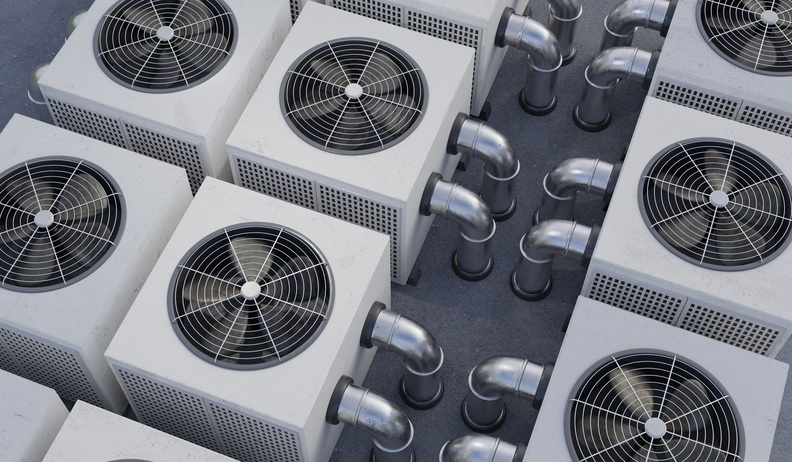
Commercial HVAC maintenance helps facility teams identify and correct conditions that increase the risk of rooftop failures, energy waste, comfort complaints, poor air movement, premature component wear, and avoidable downtime. A planned inspection does not guarantee that equipment will never fail, but it gives technicians a regular opportunity to find developing problems while the system is still operating.
Need help evaluating a commercial system? Call Airteks at (925) 292-0148 to discuss an inspection.
What Does Commercial HVAC Maintenance Prevent?
Maintenance is best understood as risk management for the equipment your business depends on. A service visit can uncover a restricted filter, dirty coil, loose electrical connection, worn belt, blocked drain, control problem, refrigerant issue, or airflow imbalance before that condition becomes a larger operational problem. The exact result depends on the system, its age, its environment, and how it is used.
For a commercial facility, the value is not limited to the equipment room or rooftop. HVAC performance affects employee and tenant comfort, indoor air movement, product conditions, meeting schedules, and the ability to keep normal operations moving. Airteks serves commercial facilities across the Bay Area, Central Valley, and Sacramento with practical recommendations based on the equipment and the building.
What Should a Commercial HVAC Maintenance Inspection Include?
A commercial HVAC inspection should examine the components and operating conditions that influence reliability, comfort, safety, and serviceability. The scope is equipment- and site-dependent, but a technician should document what was checked, what needs attention, and which items should be monitored during a future visit.
- Air filters, filter racks, and return-air paths
- Evaporator and condenser coils, including dirt or debris that can restrict heat transfer
- Belts, pulleys, bearings, motors, blowers, and other moving parts
- Electrical connections, capacitors, contactors, wiring, and operating components
- Refrigerant readings and visible signs of leaks or system stress
- Condensate drains, drain pans, pumps, and overflow protection
- Thermostats, sensors, control boards, dampers, and the operating sequence
- Supply and return airflow, temperature performance, and unusual noise or vibration
- Cabinets, access panels, insulation, corrosion, weather exposure, and physical damage
Not every system needs the same repair or adjustment. A rooftop package unit, a VRF system, a chilled-water plant, a boiler, an air handler, an exhaust fan, and a building automation system each have different inspection points. A useful maintenance record connects the observed condition to the recommended next step instead of treating every visit as a generic checklist.
How Can Maintenance Reduce Commercial HVAC Energy Waste?
Maintenance may help reduce avoidable energy waste by correcting conditions that make equipment run longer or work harder than expected. A dirty coil, restricted filter, weak belt, incorrect control setting, leaking duct, or sensor problem can affect how efficiently a system delivers heating or cooling. Correcting one issue will not guarantee a specific utility-bill reduction, but it can help equipment operate closer to the condition it was designed to provide.
Energy complaints should be evaluated in context. Weather, occupancy, production schedules, building envelope conditions, ventilation requirements, and utility rates also affect consumption. A technician can compare operating behavior with the facility's comfort complaints and service history, then explain whether maintenance, repair, controls work, or a broader system evaluation is the appropriate next step.
Restricted airflow and dirty coils
When filters are loaded or coils are covered with dirt, the system may have more difficulty moving and conditioning air. The result can be longer run times, reduced capacity, uneven temperatures, or stress on motors and compressors. Filter service and coil cleaning are simple examples of maintenance tasks that can address these conditions before they contribute to a larger performance problem.
Controls and operating schedules
Controls influence when equipment starts, stops, stages, and responds to indoor conditions. A failed sensor, incorrect schedule, or communication issue can cause equipment to run at the wrong time or fail to respond as intended. Maintenance inspections can identify control symptoms and help determine whether the issue belongs in routine service, controls troubleshooting, or a larger building automation review.
Can Maintenance Prevent Comfort Complaints and Downtime?
Maintenance can help reduce the likelihood that a developing HVAC problem becomes a sudden comfort complaint or an interruption to normal business activity. It cannot remove every source of discomfort or guarantee uninterrupted operation. The practical goal is to identify equipment conditions early, prioritize the risks that matter most to the facility, and plan corrective work before the busiest operating period when possible.
Hot and cold spots
Uneven temperatures can result from restricted airflow, a failing blower, duct leakage, damper problems, sensor placement, changing occupancy, or a system that no longer matches the building's needs. A maintenance visit gives the technician an opportunity to connect the complaint to measurable system behavior. That is more useful than replacing a component based only on a symptom.
Humidity and indoor air movement
Temperature is only one part of comfort. A dirty evaporator coil, poor drainage, inadequate airflow, or control issue can affect moisture removal and make a space feel damp even when the thermostat shows a reasonable temperature. Filters and ventilation components also influence air movement and effective filtration. If occupants report stale, humid, or poorly circulated air, the service history should be reviewed alongside the equipment inspection.
Emergency repair exposure
Some failures happen without warning, but many operational emergencies are preceded by noise, vibration, short cycling, inconsistent temperatures, water around a unit, rising run time, or repeated resets. Recording those symptoms during scheduled service gives a facility manager a better chance to plan the response. It also creates a clearer record for deciding whether a repair should be completed now or coordinated with a planned project.
Do Rooftop HVAC Systems Need a Different Maintenance Approach?
Rooftop units need attention to the same basic operating components as other commercial systems, but their location adds practical risks. Equipment on a roof is exposed to sun, wind, rain, temperature changes, leaves, dust, and other debris. Access may also depend on a roof hatch, ladder, service clearance, fall-protection procedures, and weather conditions. A maintenance plan should account for those realities rather than treating the unit as if it were indoors.
During a rooftop inspection, a technician may look for debris around coils and cabinet openings, deterioration of panels and seals, blocked drains, belt wear, corrosion, damaged insulation, unusual vibration, and signs that water has entered the cabinet. The technician can also confirm that panels close correctly and that the unit's service history reflects repairs or recurring issues. These details help prevent small rooftop conditions from being overlooked between urgent calls.
Airteks works with commercial equipment including rooftop units, VRF systems, chilled-water systems, boilers, air handlers, exhaust fans, and building automation systems. The right service approach depends on the facility's equipment inventory and operating priorities. Businesses that need broader commercial HVAC support can review Airteks commercial HVAC services before deciding which inspection or maintenance conversation to start.
How Often Should a Commercial HVAC System Be Serviced?
There is no single maintenance interval that fits every commercial HVAC system. Service frequency should reflect equipment type, manufacturer guidance, operating hours, building use, indoor and outdoor conditions, filtration needs, seasonal demand, and the consequences of an interruption. A facility with long operating hours, heavy occupancy, rooftop exposure, or sensitive processes may need a different schedule than a lightly used office.
Many facility teams plan inspections before periods of heavy heating or cooling demand, then adjust the schedule based on findings and equipment history. The important point is to build a repeatable record. Each visit should show what was inspected, what changed, what was corrected, and what should be watched next. That record helps a manager plan maintenance around operating demands instead of waiting for a failure to set the calendar.
Airteks can help a facility evaluate its equipment and priorities through commercial HVAC system services. A site-specific discussion is more useful than applying a generic number of visits without considering the building.
Why Start With a Commercial HVAC Inspection?
An inspection is a practical starting point when a facility does not have a recent service record, when comfort or energy concerns have appeared, or when a new manager needs a clear view of the equipment. The inspection establishes a baseline and separates immediate concerns from items that can be monitored or included in a later project.
A decision-ready inspection should help answer:
- What equipment is installed, and what condition is it in?
- Which issues affect current reliability, comfort, airflow, or operating cost?
- Which repairs or adjustments should be prioritized before peak demand?
- What service history, manufacturer information, or site access details are missing?
- Which equipment should be included in a recurring maintenance schedule?
Airteks provides honest recommendations and written estimates so commercial customers can understand what the technician found and what the next step involves. If a repair, replacement, controls project, or maintenance visit is appropriate, the recommendation should match the facility's needs rather than assume that every problem calls for the same solution.
How Does Planned Maintenance Support Facility Decisions?
Planned maintenance turns individual service visits into a more organized approach to equipment care. It can give facility managers a consistent way to track recurring conditions, schedule work before high-demand periods, coordinate access to rooftop equipment, and communicate priorities to owners, tenants, or operations teams. It also creates a better basis for deciding when a repair is reasonable and when replacement planning deserves attention.
Airteks can build a scheduled approach around the facility's equipment, hours, access requirements, and operating priorities. Learn more about commercial planned maintenance services to see how the service transition can fit into a broader commercial HVAC plan. The right scope and estimate are determined from the site and its equipment, not from a universal price list.
| Risk maintenance can uncover | What a technician checks | Operational consequence |
|---|---|---|
| Restricted airflow | Filters, coils, blowers, belts, dampers, and supply or return paths | Longer run times, uneven comfort, and reduced system performance |
| Rooftop wear or water exposure | Cabinet condition, drains, seals, insulation, corrosion, and debris | Higher repair risk and harder-to-plan service interruptions |
| Control or sensor problems | Thermostats, sensors, schedules, sequences, and communication | Unexpected cycling, comfort complaints, or equipment running at the wrong time |
| Component wear | Belts, motors, electrical parts, bearings, and vibration or noise | Potential emergency repair exposure and avoidable downtime risk |
A maintenance program should not be treated as a promise that a system will never fail. It is a structured way to find conditions earlier, make informed repairs, and keep facility decisions connected to actual equipment performance.
Ready to plan the next inspection? Call Airteks at (925) 292-0148 to discuss your facility's equipment and priorities.
Frequently Asked Questions
What is included in commercial HVAC maintenance?
Commercial HVAC maintenance commonly includes filters, coils, belts, motors, electrical components, refrigerant or leak checks, drains, controls, airflow, and operating performance. The exact scope depends on the equipment and site. A professional visit should document findings and distinguish routine service from recommended repair or replacement work.
How often should a commercial HVAC system be serviced?
Service frequency depends on equipment type, operating hours, building use, outdoor exposure, filtration, manufacturer guidance, and the consequences of downtime. Many facilities schedule inspections before heavy heating or cooling demand, then adjust based on equipment condition and service history. A site-specific plan is more useful than a universal interval.
Do rooftop units need special maintenance?
Rooftop units need attention to normal HVAC components plus the effects of year-round weather exposure. Technicians should check debris, drains, cabinet panels, seals, corrosion, insulation, belts, coils, and access-related concerns along with system operation. The maintenance approach should reflect the roof environment and the facility's access requirements.
Can maintenance prevent every commercial HVAC breakdown?
No. Maintenance cannot eliminate every failure, especially when equipment is aging or a component fails unexpectedly. It can help identify wear, restricted airflow, electrical concerns, drainage issues, control problems, and other conditions before they become larger risks. That may help a facility plan corrective work and reduce avoidable emergency exposure.
Can commercial HVAC maintenance affect energy use?
It may help reduce avoidable energy waste when a technician corrects conditions such as dirty coils, restricted airflow, control issues, or equipment operating outside normal conditions. Actual energy use also depends on weather, occupancy, schedules, ventilation, building conditions, and utility rates. No fixed savings amount should be assumed without site-specific evidence.
How is a commercial HVAC maintenance estimate developed?
A commercial estimate should reflect the facility's equipment inventory, condition, access, operating priorities, requested scope, and any recommended repairs. Airteks provides written estimates and honest recommendations rather than publishing a universal maintenance price. A site review helps determine which work is appropriate and how it should be scheduled.
To schedule a commercial HVAC inspection or discuss planned maintenance, call Airteks at (925) 292-0148.
Comments