
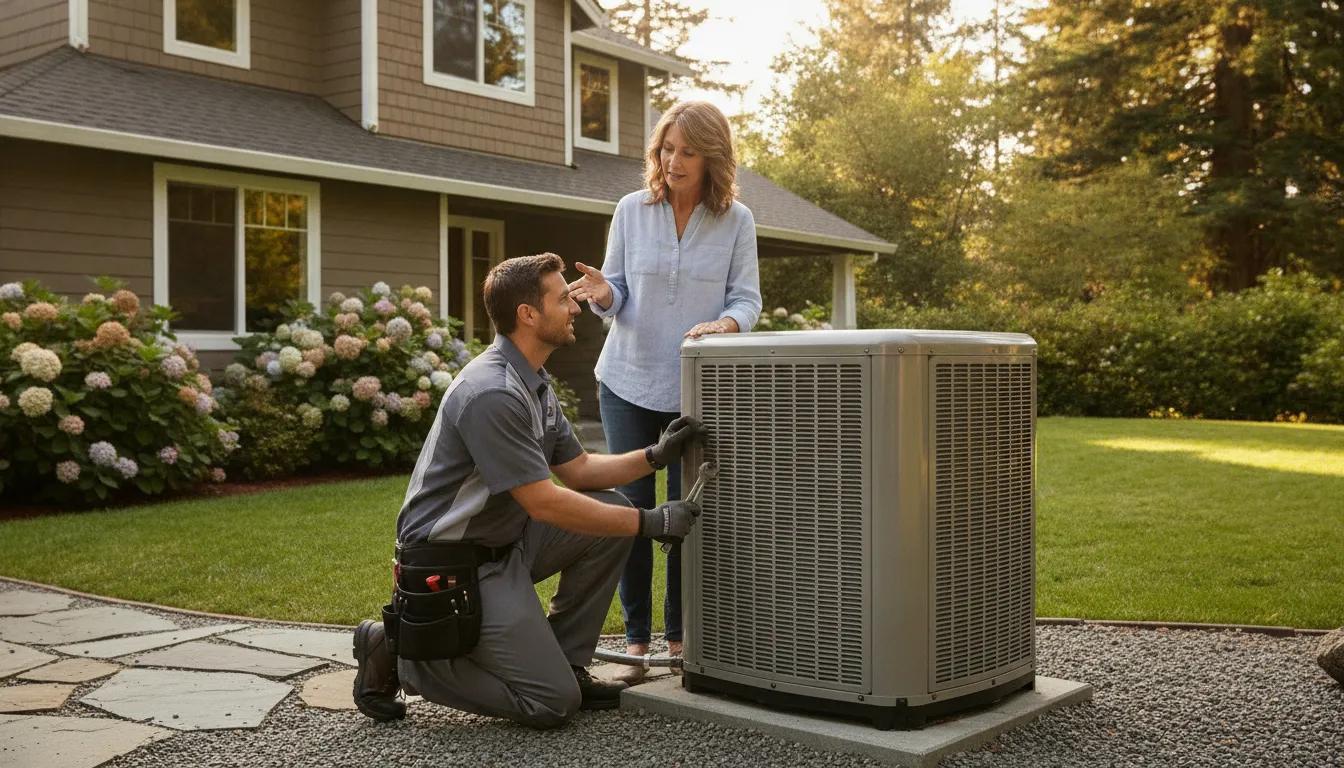
When a heat pump stops heating or cooling as it should, homeowners naturally ask about the cost to fix heat pump problems. The repair quote depends on what the technician finds, not on a universal online number. A minor component issue, a problem affecting the air handler, restricted access, duct conditions, and the age or type of system can all change the work involved. That is why a useful estimate starts with diagnosis rather than a guess based only on the symptom.
Call Airteks at (925) 292-0148 for a clear heat pump repair estimate.
The cost to fix heat pump depends on the failed component, system condition, repair scope, and the time and expertise needed to complete the work. In Northern California, ask for a clear diagnosis and written estimate that separates the repair from any optional recommendations. Airteks provides heat pump repair, inspection, maintenance, replacement, and installation services, with quotes and estimates available.
Understanding the factors behind an estimate can help you compare recommendations fairly and decide whether repairing the current system makes sense. Start with the conditions that most directly shape the quote.
Understanding the Cost to Fix Heat Pump Problems
A universal online price cannot capture what the technician finds or how much work the system needs. A heat pump that needs a straightforward component repair is a different job from one with multiple failing parts, restricted airflow, damaged ductwork, or an aging air handler. A reliable estimate starts with diagnosis, not a generic price range.
What shapes the repair estimate?
Several conditions can change the scope of work:
- Diagnosis: The symptoms may come from the outdoor unit, indoor equipment, controls, electrical components, airflow, or more than one issue. Identifying the actual cause helps prevent replacing a part that was not responsible for the problem.
- System type and age: Air-source, ductless mini-split, geothermal, and other heat-pump designs use different components and service procedures. Older equipment may also have discontinued parts or related wear that affects the recommendation.
- Access and labor scope: A technician may need additional time when equipment is difficult to reach, panels or connected components must be safely removed, or the repair requires testing after the work is complete.
- Ductwork and air-handler condition: Uneven temperatures can involve equipment operation, ducts, or insulation, so the heat pump itself may not be the only factor behind a comfort complaint. Duct or air-handler work can expand the scope beyond the original symptom.
- Local conditions: Equipment configuration, site conditions, parts availability, and the service area can all influence the final quote. A Northern California home in Livermore, Pleasanton, or another Bay Area community may not present the same access or system conditions as another property.
Airteks provides heat pump repair, inspection, maintenance, installation, and replacement services. Its heat pump repair and service team can evaluate the equipment and explain the recommended scope. Airteks offers quotes and estimates without publishing a one-size-fits-all figure, supporting a clearer decision based on the actual condition of your system.
Which Problems Can Change a Heat Pump Repair Quote?
The cost to fix heat pump problems depends first on what failed and how much of the system is involved. A control, electrical component, sensor, coil, compressor, refrigerant circuit, or air handler can each require a different diagnostic path and repair scope. The estimate should identify the affected component and explain whether the work restores the existing system or addresses a broader condition.
System type and equipment age matter
Heat pumps are not all configured the same way. The U.S. Department of Energy identifies air-source, geothermal, ductless mini-split, and absorption heat pumps as distinct types. A central air-source system may involve an outdoor unit, indoor air handler, and duct network. A ductless system distributes conditioned air through indoor units instead. That design changes which components a technician must inspect and how accessible they are.
Age also affects the decision behind a quote. An older system may need a repair that makes sense as a short-term fix, or it may have several aging parts that deserve a broader discussion. ENERGY STAR advises considering replacement when a heat pump or air conditioner is more than 10 years old. But that is a signal to evaluate the equipment, not an automatic rule. Repair history, operating performance, and the condition of the rest of the system should be considered together.
Access and connected components can expand the scope
A component that is easy to reach may require a narrower repair than one located behind restricted access or integrated with other equipment. The air handler, electrical connections, condensate management, and refrigerant circuit can all affect the work needed to diagnose a comfort problem. Ductwork condition matters as well. If ducts leak, are undersized, or restrict airflow, repairing the heat pump alone may not resolve uneven temperatures.
ENERGY STAR notes that rooms that are too hot or too cold can result from equipment operation, duct problems, or inadequate insulation. It also identifies an undersized duct system or an indoor-coil problem as possible causes of system noise. These symptoms do not point to one guaranteed repair, so a proper estimate should distinguish equipment failure from distribution or insulation issues. ENERGY STAR's guidance provides useful context for that distinction.
Maintenance history helps clarify the quote
Maintenance records can show whether the system has received regular inspection and corrective attention. The DOE maintenance training module separates contractor responsibilities from resident tasks and describes inspection processes intended to keep equipment operating properly. Reviewing those records, along with recent symptoms and prior repairs, can help the technician define the work instead of guessing from one complaint. A scheduled preventive HVAC maintenance visit may also identify developing issues before they become a larger comfort problem.
How Does a Heat Pump Diagnosis Lead to an Estimate?
A useful estimate begins with a clear account of what the system is doing and a professional inspection of the equipment. You can help the process without opening the cabinet, testing electrical components, or handling refrigerant. Use this sequence to prepare:
- Record the symptoms. Note whether the heat pump is not heating or cooling, runs continuously, cycles unusually, makes a new sound, or leaves some rooms uncomfortable. Include when the problem began and whether it happens during heating, cooling, or both. Uneven temperatures can involve equipment operation, duct problems, or insulation, so specific observations help the technician look beyond the outdoor unit.
- Gather the system details. If you have them, collect the model and serial numbers, approximate installation date, system type, and any previous service records. Do not remove panels to find this information. A technician can identify the equipment safely during the visit if the details are not readily available.
- Note comfort and energy changes. Write down rooms that are too warm or too cool, changes in airflow, unusual noise, and recent changes in energy use. These details do not prove a particular failure, but they provide useful context for diagnosis. A system that needs frequent attention alongside rising energy bills may also warrant a repair-versus-replacement discussion.
- Request a professional diagnosis. The technician should evaluate the heat pump and related components, identify the cause of the symptom, and distinguish a repairable issue from conditions that affect system performance. Inspection and corrective processes are part of responsible HVAC maintenance, while electrical and refrigerant work should remain with a qualified professional.
- Review the estimate and options. Ask what failed, what work is included, which parts or related conditions affect the scope, and what changes if you choose repair or replacement. For a refrigerant-related concern, you can compare repair and replacement factors before deciding. A clear estimate should connect the recommended work to the diagnosis, not to a generic online figure.
When Should You Repair or Replace a Heat Pump?
There is no universal answer based on one symptom or a single online rule. The right choice depends on the system's age, repair history, condition, comfort performance, and the diagnosis. A repair may be sensible when the problem is isolated and the rest of the equipment is in good condition. Replacement may deserve consideration when several warning signs point to declining reliability or efficiency.
Age is useful context, but it is not a deadline. ENERGY STAR advises considering replacement when a heat pump or air conditioner is more than 10 years old. It also identifies frequent repairs combined with rising energy bills as a possible sign that equipment has become less efficient. Treat these as prompts for a professional evaluation, not rigid instructions. For more context, review Airteks' guide to when to repair or replace HVAC.
| Repair-leaning signals | Replacement-leaning signals | Questions to ask |
|---|---|---|
| The system has a relatively limited repair history, and the diagnosis identifies one defined issue. | Repairs have become frequent, especially alongside rising energy bills or recurring performance problems. | What failed, and are other major components showing wear? |
| The equipment is serving the home reasonably well, with stable temperatures and no pattern of unusual noise. | Rooms remain unevenly heated or cooled, or the system is unusually noisy. ENERGY STAR notes that these symptoms can involve equipment operation, ducts, insulation, an undersized duct system, or an indoor-coil problem. | Could the cause be ductwork, insulation, airflow, or the heat pump itself? |
| The repair restores dependable operation without overlooking the condition of the broader system. | The heat pump is older and its overall condition makes continued repairs less predictable. | What would the recommended repair address, and what would replacement change? |
Ask for a clear diagnosis and an explanation of the available paths. A trustworthy recommendation should separate the immediate repair from longer-term concerns, identify any comfort or duct issues, and explain what is known versus uncertain. Avoid treating a commonly repeated repair-threshold rule or any fixed cutoff as a fact. Your home's conditions and the equipment's actual condition should guide the decision.
Airteks can evaluate heat pump problems and explain whether repair or replacement better fits the system and the home. The goal is a dependable solution based on technical findings, not pressure to choose the larger project.
How Heat Pump Type, Efficiency, and Climate Affect the Decision
The equipment design matters when you evaluate a repair recommendation. The U.S. Department of Energy identifies several heat pump categories, including air-source, geothermal, ductless mini-split, and absorption systems. Each has different components, controls, and installation conditions, so a problem that looks similar from inside the home may require a different diagnostic approach.
Air-source systems exchange heat with outdoor air and commonly work with an indoor air handler or duct system. A ductless mini-split uses one or more indoor units connected to an outdoor unit, which changes how airflow, controls, and access are evaluated. Geothermal and absorption systems have their own specialized equipment and service considerations. Identifying the type of system is an important first step before deciding whether the cost to fix a heat pump is reasonable for its age and condition.
Efficiency also belongs in the conversation, but it should be assessed in context. The DOE describes heat pumps as an energy-efficient alternative to furnaces and air conditioners in moderate climates. Northern California includes varied conditions across the Bay Area, Central Valley, and Sacramento region. Outdoor temperatures, home insulation, duct condition, thermostat settings, and how often the system runs can all affect comfort and energy use. A repair that restores a system's intended operation may address the immediate problem without changing the system's underlying design.
When replacement is being considered, ask how the proposed equipment fits the home's climate, existing distribution system, and comfort needs. A higher efficiency label alone does not determine the best choice if the system is poorly sized or the ducts need attention. For more context on selecting equipment for local conditions, read Airteks' guide to heat pump efficiency and climate fit.
A qualified evaluation should connect the system type and operating conditions to the observed symptoms. That gives you a clearer basis for comparing a focused repair with a broader replacement recommendation, without relying on a universal rule or unsupported savings estimate.
How Can Northern California Homeowners Prepare for a Fair Repair Quote?
A clear repair estimate starts with useful information. Before the appointment, gather the heat pump's model information, approximate age, maintenance records, and any recent service paperwork. Note when the problem began and whether it is constant or intermittent. Details such as weak heating or cooling, unusual noise, uneven room temperatures, or changes in cycling can help the technician focus the evaluation.
Keep a short list of questions ready. Ask what the diagnosis found, which component or condition caused the symptom, and what the recommended repair is intended to address. Ask whether the estimate includes diagnosis, parts, labor, testing, and any follow-up work. If more than one path is reasonable, request an explanation of the available options and how each affects reliability, comfort, and the system's remaining service life. A fair quote should make the scope understandable rather than present a vague total.
Maintenance records are especially useful because they show what has already been inspected or corrected. The U.S. Department of Energy's maintenance guidance distinguishes tasks for residents from those for HVAC contractors and covers inspection and corrective processes. Homeowners should provide that history, but should not open equipment or attempt electrical or refrigerant work themselves.
Urgency also matters. If the system is not keeping the home safe or comfortable, contact a qualified professional promptly. If the issue is inconvenient but stable, you may have more time to compare the diagnosis and scope of proposed work. Airteks provides heat pump repair, inspection, maintenance, installation, and replacement support across the Bay Area, Central Valley, and Sacramento region. You can review its residential heat pump service and explore California HVAC financing options when planning a larger project. The goal is a documented recommendation based on the actual system, not a generic answer to the cost to fix heat pump question.
Call Airteks at (925) 292-0148 for a heat pump repair estimate.
Frequently Asked Questions
What factors affect the cost to repair a heat pump?
The estimate depends on the diagnosis and the work required. Important factors include the heat pump type, the failed component, system age, access to the equipment, labor scope, and the condition of related parts such as the air handler or ductwork. Uneven temperatures can also involve equipment operation, ducts, or insulation, so the symptom alone does not establish the repair needed. A complete inspection is the best starting point.
When is it more cost-effective to repair a heat pump rather than replace it?
Repair is often the more practical path when the system is otherwise dependable, the problem is clearly defined, and the repair addresses the underlying issue. Replacement deserves closer consideration when problems are recurring, the system is aging, or comfort and efficiency are declining. ENERGY STAR identifies frequent repairs combined with rising energy bills as a possible sign that equipment has become less efficient: ENERGY STAR replacement guidance.
How old is too old for a heat pump repair?
Age alone does not decide the outcome, because maintenance history, condition, performance, and the diagnosis all matter. However, ENERGY STAR advises homeowners to consider replacement when a heat pump or air conditioner is more than 10 years old: see its equipment-age guidance. Treat that age as a prompt to compare options, not as an automatic replacement rule.
What should I ask before approving a heat pump repair?
Ask what failed, whether the diagnosis is confirmed, which work is essential, and whether related ductwork or indoor equipment affects the result. Request a written scope that separates diagnosis, parts, labor, and any recommended follow-up. Also ask how the repair fits the system's age and condition, and whether the technician sees a reasonable repair path or recommends comparing replacement options.
Ready to Get a Clear Heat Pump Repair Estimate?
A professional diagnosis can help you understand which repair factors apply to your system and compare repair and replacement options with less guesswork. Airteks can review the system's condition and explain the recommended next step in straightforward terms.
Call Airteks at (925) 292-0148 for a professional heat pump repair diagnosis and a clear estimate tailored to your system.
Comments