
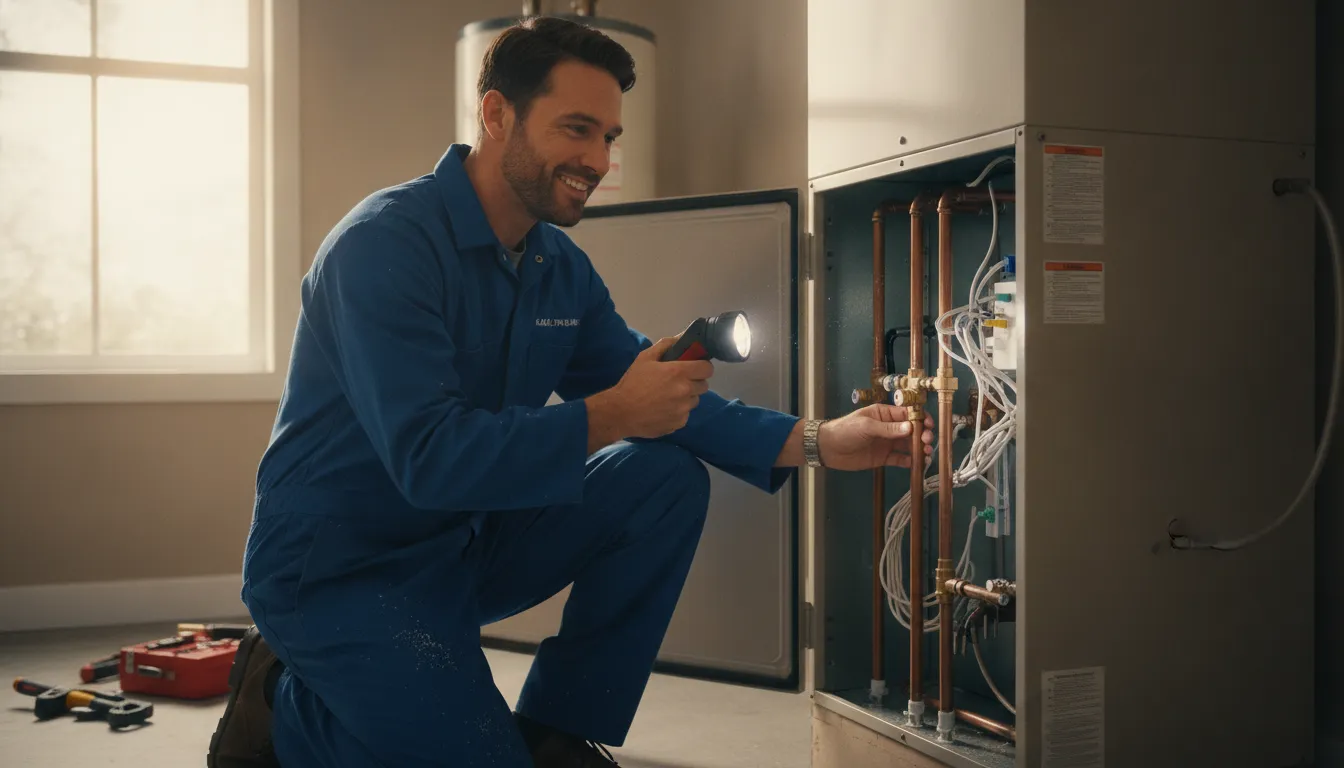
A silent heater that blows cold air during a chilly Northern California night creates an immediate household crisis. When your vents fail, you need fast answers to restore safety and warmth to your home.
Call Airteks at (510) 719-0621 for fast furnace repair and 24/7 emergency service.
A furnace not heating causes repair cost questions that often depend on whether your home needs a simple air filter change or a brand new system part. According to the Building Science Education Solution Center, natural gas is the main heating source in most homes, meaning many winter failures stem from ignition or burner issues. While simple fixes like a filter swap are low cost, common furnace repairs range from $150 to $600, and major part failures often cost up to $3,000 each. To help you plan, we offer honest guidance on HVAC costs, emergency repair, and replacement plans in the Bay Area so you can make the best home choices.
If your heating system is blowing cold air, you likely want to know what went wrong. To find the heating problem, we must understand the answers behind Why Is My Furnace Running But Not Producing Heat? The path begins with:
Why Is My Furnace Running But Not Producing Heat?
It is frustrating when your heating system blows cold air. You hear the fan run, but no warm air comes out of your vents. This issue is common during cold winter months in Northern California. It often points to a few simple system issues that you can find on your own.
Thermostat Settings and Power Checks
Many heating issues start with the thermostat. Make sure the switch is set to "Heat" instead of "Cool." Next, check the fan setting. If the fan is set to "On," the blower runs all the time, even when the furnace is not heating.
You should switch the fan to "Auto" so it only runs when the furnace is heating. Also, check the power source of your thermostat. Some models run on batteries that can lose power over time. If the screen is blank or dim, put in fresh batteries to see if the heat comes back on.
Clogged or Dirty Air Filters
A dirty air filter is a very common cause of heating problems. When a filter is full of dust, it blocks air flow. This lack of air makes the heat exchanger get too hot, which triggers a safety switch. This safety switch shuts down the burners to prevent damage, but the fan keeps running to cool the system down.
ENERGY STAR, the U.S. government-backed efficiency program, offers a home heating and cooling guide with helpful maintenance tips. Industry guidance suggests you clean or replace your filters once a month to keep your system running. Changing a clogged filter can get your heat back on quickly and save you money.
Dirty Flame Sensors and Gas Supply Faults
If the filter is clean, the issue may be a dirty flame sensor or a gas supply problem. A flame sensor detects when gas is burning. If this sensor gets dirty, it cannot see the flame. It will shut off the gas for safety, but the blower motor will keep running to clear out unburned gas.
You can also check if your gas valve is open. If you have other gas units that work but the furnace does not heat, the problem might be a bad igniter or control board. If simple fixes do not work, you can review our emergency repair guide to see repair costs. Our factory-certified techs are ready to help if you need an expert to inspect your system.
Which Furnace Not Heating Causes Are Most Common, and What Do Repairs Cost?
When your home is cold, you want to know why your furnace is not heating and what the fix will cost. There is a wide range for any furnace repair cost based on which part has failed. For simple fixes, most furnace repairs cost between $150 and $600. But if a major part like the blower motor has failed, the total price can range from $1,000 to $3,000.
Common ignition and pilot light issues
Many furnace not heating causes start with the ignition system. If you have an older gas system with a standing pilot light, the flame can simply go out from a small draft. A dirty gas jet will also blow it out and stop your heating. To save 3% to 5% in fuel, you can upgrade pilot lights to electronic ignition, according to U.S. energy guidance.
Techs call these tools intermittent ignition devices. Modern heating systems use electronic igniters instead of standing flames. If these parts crack or get dirty, your furnace will not start up. A skilled tech will check the voltage or clean the flame sensor to get your heat back on.
Thermostat settings and wiring checks
Sometimes the issue is not the furnace itself. The thermostat is the brain of your heating system and tells it when to run. If it has no power or has bad wiring, it cannot tell the system to turn on. A tech will start by checking the screen for power and checking the battery level.
They will then bypass the thermostat at the furnace control board. This quick test shows if the fault is in the wall unit or in the furnace cabinet. If the system turns on during the bypass, the thermostat or its wire is the issue. Fixing a bad wire is fast, but replacing the unit will cost more.
Heat exchanger cracks and safety blocks
The heat exchanger is the key part of any gas system. It keeps toxic gas out of your home air. If it cracks, it can leak carbon monoxide, which is a major safety risk. The system has safety switches that shut the gas off if things get too hot.
A tech will look for soot, rust, or cracks using a small camera. If the heat exchanger is cracked, the furnace must be shut down for safety. Replacing this part is very costly. In many cases, it is better to look at signs you need a new furnace rather than making the fix.
Most Common Furnace Repair Costs by Problem Type
When your heating system fails, the first question is often about the budget. Knowing the furnace not heating causes repair cost helps you plan ahead. Most common heating repairs fall into a standard range, but some parts are much more costly to replace than others. Below is a breakdown of what you can expect to pay for common parts and labor in Northern California.
Average costs by repair type
To help you see your choices, we gathered normal price ranges for the most common fixes. The exact price depends on your system's age, fuel type, and how hard the job is.
| Furnace Repair Type | Typical Cost Range | Common Symptoms |
|---|---|---|
| Thermostat replacement | $80 - $250 ($500+ for smart models) | Screen is blank, heat does not turn on, or room temperature is wrong. |
| Air filter swap | $15 - $50 (DIY or during service visit) | System runs but blows cold air, or shuts off too quickly. |
| Igniter or limit switch | $50 - $200 | Furnace clicks but will not light, or fan runs constantly. |
| Control board replacement | $200 - $800 | System behaves erratically or fails to start at all. |
| Blower motor replacement | $200 - $1,500 | Loud screeching noises, poor airflow, or no air coming from vents. |
| Heat exchanger replacement | $400 - $3,500 | Cracked metal, chemical smell, or carbon monoxide alarm goes off. |
Minor repairs versus major fixes
As shown in the data, small fixes like switches and thermostats do not cost much. Yelp data and top brand guides show that most normal heating repairs cost between $150 and $600. For instance, fixing a broken limit switch is a simple task that a pro can complete on the same day.
But big furnace issues are much more severe. Changing a cracked heat exchanger or a heavy blower motor can cost between $1,000 and $3,000. Read our guide on HVAC costs, emergency repair, and replacement decisions in the Bay Area. This will show you if buying a new unit is a smarter choice.
How to avoid high repair bills
The best way to keep your bills low is to take care of your system. Many high-cost breakdowns start as small, simple issues. Often, a dirty filter blocks air, which forces the system to run hotter and ruins the control board or motor. According to ENERGY STAR, you should clean or replace filters regularly to keep your system running well.
Booking a yearly gas furnace tune up is another smart step to protect your home. A pro tune-up lets a tech find and fix small problems before they turn into costly failures. To see local price ranges, check our guide on furnace repair cost factors across Northern California.
Is a Furnace That Won't Heat a Safety Emergency?
While a furnace not heating causes repair cost concerns to grow, safety should always come first. A cold home is hard, but it is not always a safety emergency. In many cases, a system that stops making warm air is simply shut down due to a failed part or a dirty filter. But if you have a combustion system that burns gas, oil, or wood, you must watch for clear hazard signs.
Carbon Monoxide and Venting Risks
Fuel-burning systems pose unique hazards when they fail to run well. According to federal energy guidelines, combustion furnaces must be properly vented to prevent the build-up of pollutants and backdrafting inside the home. If a vent pipe blocks or cracks, toxic fumes can leak into your living space. Carbon monoxide is an invisible, odorless gas that can build up fast when a system fails. The U.S. Environmental Protection Agency warns that it poses serious health risks inside the home.
If your carbon monoxide alarm goes off or you smell gas, you have a real emergency. You must leave the house right away and call for help. Do not turn off lights or unplug devices, as a spark could cause an explosion. Once you are safe outside, call your gas company or emergency services to check the home.
Signs of a Heating Emergency
If there is no gas smell and your alarms are silent, you can often wait for normal service hours. A cold house is only an emergency if the air outside drops below freezing. Freezing temperatures can cause your water pipes to crack and burst, which leads to major water damage. In these cold conditions, or if you have young children or elderly family members, you need quick help.
For those cases, seeking 24-hour emergency heating repair is the safest option. Techs can find the issue and bring back heat to protect your home. If you do not face freezing weather, you can safely wait for a standard service call. You can use space heaters safely or pile on blankets to stay warm.
Duct Heat Loss and System Efficiency
Sometimes, a furnace that runs but fails to warm the house points to leaky air ducts rather than a broken heater. According to ENERGY STAR, poorly sealed ducts in unconditioned spaces like attics or garages can waste a large share of your heating energy. This loss of hot air wastes fuel and keeps your home cold, but it does not threaten your safety.
If you notice weak airflow or cold air from your vents, a local pro can test your duct system. Fixing these leaky ducts will save you money on heating bills and reduce wear on your system.
What to Do If Your Furnace Stops Working at Night
A cold home at night can feel stressful. If your heater goes out, you need to act fast. Do not waste time looking up furnace not heating causes repair cost data in the dark. Instead, follow these fast steps to stay safe and warm. A few quick checks can help you stay safe until help comes.
Immediate safety steps
When your furnace stops, you must protect your home. Some quick steps can keep you warm and safe before help arrives.
- Turn off your system at the thermostat and the switch. This stops the furnace from trying to run or leaking fuel when there is a fault.
- Make sure the thermostat has fresh batteries and is set to heat. Also check your air filter. Dirty filters cause many heating issues. ENERGY STAR recommends cleaning or replacing filters regularly to keep your system running smoothly.
- Bundle up in warm clothes and use thick blankets. You can use safe space heaters, but never use a gas oven or stove for heat. Ovens and stoves can release toxic gas into your home.
- Keep all supply vents and return grilles open. Closing vents will not save heat. Instead, it builds up pressure inside the ducts and can damage the furnace blower.
- If these checks do not work, you need expert help. You can call the team at Airteks for fast 24-hour emergency heating repair. Our factory-certified techs are ready to help at (510) 719-0621.
Safe ways to stay warm
While you wait for our team to arrive, you should focus on keeping your family warm. Keep your doors and windows shut to lock the heat inside. You can also block drafts under doors with rolled towels. Gathering in one room helps keep the space warmer with shared body heat.
When to call a professional
You should call for expert help if your furnace fails to turn on after basic checks. Trying to fix complex gas or electrical systems yourself is not safe. Our team at Airteks is always ready to help you. We serve families across the Bay Area and Central Valley. Our trucks are fully stocked so we can finish most repairs on our first visit.
Routine care is the best way to prevent sudden failures in the winter. Our technicians can check your system before the cold weather starts. This tune-up keeps your heater running well and saves you from costly midnight service calls. If you have an older system, we can also discuss modern upgrades to improve your home efficiency.
Call Airteks at (510) 719-0621 now for a fast furnace diagnosis and repair quote.
Frequently Asked Questions
Why is my furnace running but not producing heat?
If your fan blows but the air is cold, you may have a dirty air filter. Clogged filters block airflow, which causes the system to overheat and shut off. A dirty flame sensor or a broken pilot igniter can also cause this issue. You can check your thermostat first to make sure it is set to heat. If the air is still cold, a professional tech can find the issue.
What is the most common cause of a furnace not heating?
A dirty air filter is the most common cause of this problem. According to ENERGY STAR, homeowners should clean or replace furnace filters regularly. When dust blocks the filter, the heat exchanger gets too hot. This triggers a safety switch that shuts the burner off. Regular maintenance can stop this from happening.
How much does it cost to fix a furnace that is not heating?
Most simple repairs cost between $150 and $600. However, major part failures can run from $1,000 to $3,000. For example, replacing an igniter is a low-cost fix, but a new blower motor or heat exchanger will cost much more. You can check our guide on furnace repair cost in Northern California to see what each job costs.
Is it dangerous if my furnace stops heating?
It can be dangerous depending on the cause. If your system is leaking gas or backdrafting carbon monoxide, you must leave your home right away. The U.S. Department of Energy notes that fuel-burning systems must be properly vented to keep your air safe. If you smell gas or a sulfur odor, turn off the system and call for help.
Ready to Book Your Northern California Furnace Repair?
Leaving a broken heating system alone during a cold snap can lead to frozen water pipes, costly flooding, and major home damage. A minor issue that is easy to fix today can turn into a complete system failure that costs much more to repair if you wait. Booking an expert furnace check right now ensures your household stays safe and warm before the next major cold wave hits.
Ready to get your heating system running again? Our local, factory-certified team is always ready to help you. Call Airteks at (510) 719-0621 to schedule same-day or 24/7 emergency furnace repair. We are here day and night to keep your home warm and comfortable.
Comments