
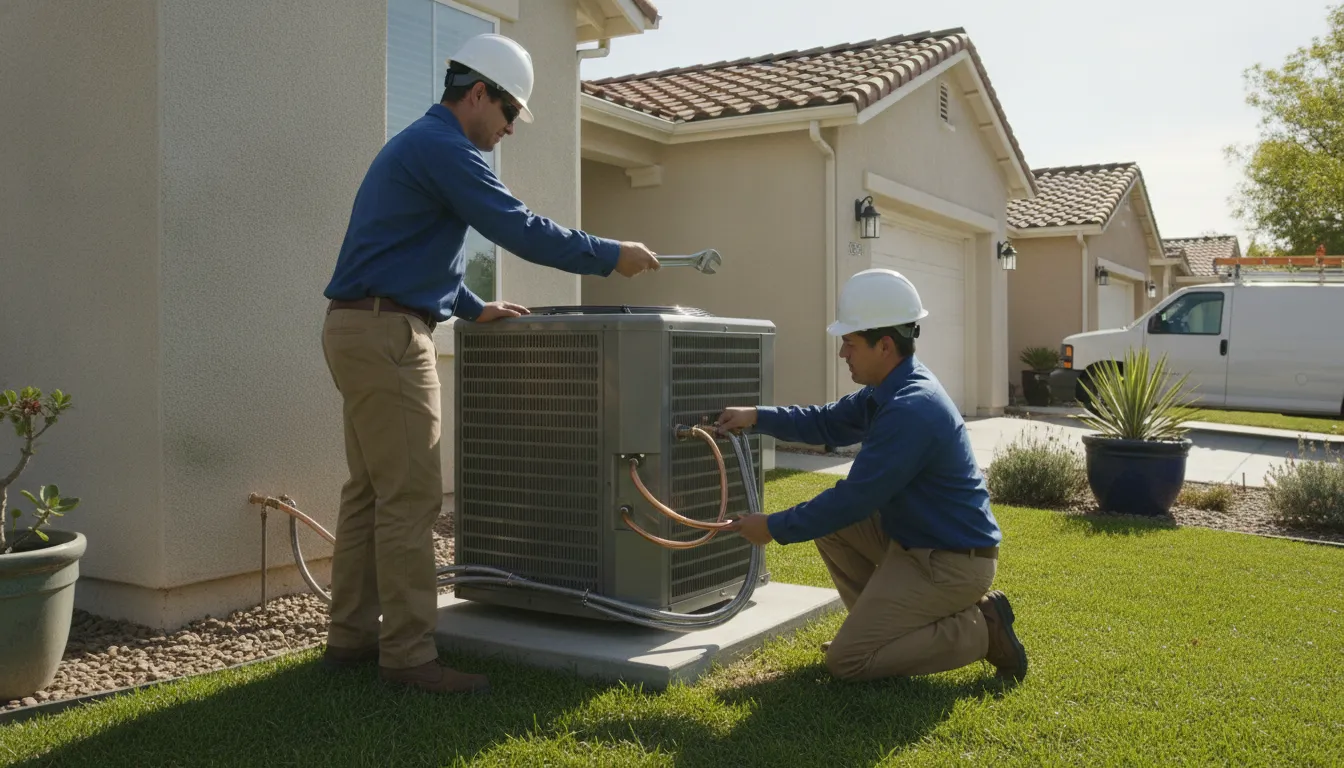
A broken air conditioner on a hot summer day makes every minute feel like hours. Replacing a failed heating or cooling system is a major project that changes your daily routine. Knowing what to expect helps you plan your day easily.
Call (925) 292-0148 to schedule your HVAC installation today.
For local homeowners, how long does hvac installation take is about four to eight hours for a standard central air conditioner or furnace replacement. According to a study by the U.S. Department of Energy, a complete home heating and cooling system replacement typically needs one to three days. This project timeline can grow if your home needs custom ductwork, complex power upgrades, or advanced digital thermostat control configuration. Factory-certified technicians focus on correct system sizing, proper refrigerant charging, and detailed safety checks over speed to ensure dependable high quality work. Knowing these timing details helps you prepare your living space and manage your personal schedule easily while our crews restore your home comfort.
To learn about the whole process, read our Homeowner's Complete Guide to Residential HVAC in Northern California. If you are planning a cooling upgrade, you likely want to know the answer to How Long Does HVAC Installation Take for a Central Air Conditioner? The basic project timeline begins with
How Long Does HVAC Installation Take for a Central Air Conditioner?
Replacing a home cooling system is a big project, but it does not have to disrupt your life for long. Most homeowners want to know what to expect when their old unit stops working. When you schedule a swap, you can usually look forward to a quick and smooth process.
The typical single day timeline
Most home central AC setups are completed within a single day. If the job is simple with no big updates, skilled crews can finish the work in four to eight hours. A full home system replacement often takes between one and three days, according to the U.S. Department of Energy. But a straightforward cooling swap is much faster.
The physical setup is just one part of the whole process. A full project has five clear phases. First, you do the research and get a quote. Next, you schedule the date, followed by the actual install and final testing. While the prep work takes some planning, the crew only needs one day in your home.
For a standard central AC swap with no major duct changes, crew members usually finish the job in a single visit. They arrive in the morning and have the new system running by late afternoon. This quick work keeps your home cool with very little downtime.
Key steps of an AC replacement
To understand the timeline, it helps to look at the work steps. The job of swapping your system has three main phases. First, the crew must remove the old units. Next, they install the new indoor evaporator coil and the outdoor condenser. Finally, they must size and seal all refrigerant lines.
Each of these steps requires precision and skill. You can learn more about how these parts work together in our Homeowner's Complete Guide to Residential HVAC in Northern California. Sizing and sealing the refrigerant lines is vital to prevent leaks.
Doing this ensures the new system runs well for a very long time. It also prevents airflow issues that could raise your bills.
Testing and commissioning
After the physical parts are in place, the crew does not just pack up and leave. They must run vital tests to make sure everything works perfectly. This startup phase is when technicians check airflows and verify that the system meets factory specs. Testing the electrical wiring and controls takes some extra time. But doing this guarantees safe running.
The time needed for these steps can change based on how hard it is to reach your gear. For example, a tight crawl space makes the work slower. Knowing what is involved can help you plan for the project and understand the cost to install a new air conditioner.
Furnace Replacement Timeline: What to Expect
A full HVAC system swap can take one to three days to finish. This timeline is noted in a U.S. HVAC study from the Department of Energy. But changing only a furnace is much faster, taking four to eight hours. Our crews can finish this work in a single day.Standard installation steps
The crew starts by taking out your old heating unit. They clean the entire workspace to prepare for the new system. Next, they check your current duct joints. They put the new furnace in place and secure it to the platform with care. Our team must seal the furnace and hook up the gas and vent lines. We test the draft of the vent to keep carbon monoxide out of your living space. These changes are common in older homes. You can read our guide on how much a new furnace costs to plan your project.Factors that extend your timeline
Some factors can add time to a basic furnace swap. For example, changing your main gas line or moving the unit takes more time. Our crew must work with great care when older lines do not fit the new unit. If you switch to a larger system, we must change the ductwork. These extra tasks can push the work past the eight-hour mark on some projects. But a standard gas furnace swap remains a one-day job. Our local team knows how to handle these issues quickly and safely. We work hard to do the job right the first time.Safety testing and system setup
Once the main setup is done, our crew does not just pack up and leave. First, they run tests. Our team checks airflows, gas pressure, and heat levels to meet factory specs. This step ensures your new system is safe and ready to keep you warm. Modern heating units often use smart controls and thermostats. Setting up these smart tools adds a bit of time to the final setup. We will show you how to use your new controls before we leave. You can learn more about the process in our residential HVAC guide for Northern California.Factors That Affect Installation Time in California Homes
Many things can change how long a team needs to put in a new system. Homeowners often ask how long does hvac installation take before they schedule their project. The shape of your house and the state of your old parts play a big role. A proper site visit before the work starts helps find these details early so there are no surprises. This step keeps your project on track and ensures a smooth job.
Home Layout and Access
The physical layout of your home is a major factor in how fast a team can work. Hard-to-reach attics or tight crawl spaces often add time to the job. Technicians must move slowly in these small areas to stay safe. Also, old ducts may need to be changed to handle a new unit. These ductwork changes can extend the project timeline past the usual one-to-three-day window. You may also need to upgrade your electrical service to supply power to a more efficient unit. In some cases, a crew must run new lines from your main electrical panel.
| Installation Variable | Simple Scenario | Complex Scenario | Typical Time Impact |
|---|---|---|---|
| Ductwork modifications. | Direct connection to existing ducts. | Full duct replacement or sealing. | Adds 1 to 2 days of labor. |
| Electrical service upgrade. | Existing panel has enough power. | New circuits or main panel upgrade. | Adds 4 to 8 hours of work. |
| Attic or crawl-space access. | Wide utility room with clear path. | Cramped attic with small hatch. | Adds 2 to 4 hours of slow labor. |
| Local permitting. | Over-the-counter online permit. | In-person municipal plan review. | Adds 1 to 14 days of waiting. |
| Equipment sizing. | Direct swap for same size unit. | New load calculation for layout. | Adds 2 to 3 hours of design work. |
Permits and Sizing Needs
Getting local permits and finding the right unit size are also key steps. The time needed to get a permit depends on your local office in Northern California. Some cities grant permits on the spot, but others require a long review. Even so, proper equipment sizing is the most critical step for your long-term comfort and energy savings. A unit that is too small or too large will not run well and can wear out fast. A professional team will always check your home size and layout to prevent mistakes. This care helps you avoid extra costs and delays on your new HVAC system cost in Northern California. A good plan ensures a swift setup without any major hiccups.
Same-Day vs Scheduled HVAC Installation
When your heating or cooling system stops working, you want a fast fix. Many homeowners ask how long does hvac installation take when they face a sudden breakdown. At Airteks, we know that timing is key, which is why we offer 24/7 emergency response across Northern California. However, while some swaps can happen quickly, a complete HVAC installation process usually needs careful planning.
When Same-Day Swaps Are Realistic
A same-day swap is sometimes possible when you have an urgent breakdown. If your old unit is a standard size and the new model is in stock, a skilled crew can do a quick changeout. This speed relies on having matching equipment ready and an open crew schedule on that day.
Even during urgent system swaps, technicians are trained to prioritize safety and quality standards. They must follow every step to ensure your system works well and safely. This care prevents early system failures and makes sure your new setup works right from day one.
Why Scheduled Installs Are Better
Most homeowners need to plan ahead. Seasonal demand for HVAC services often impacts how quickly a crew can schedule your job. During peak summer and winter months, local crews are busy with repairs and swap-outs. Booking your job well in advance of hot or cold weather helps you get the best date and ensures timely service.
A planned schedule is also needed for complex projects. If your home needs new permits, special parts, or electrical upgrades, the work will take more time. In fact, a standard residential system replacement often takes one to three days to finish. Planning these details in advance prevents sudden delays and ensures a smooth process.
Quality Over Installation Speed
While you may want a fast setup, rushing the job can lead to big problems. Choosing quality over speed ensures that your new system gives its rated output and lasts for years. A rushed job can cause bad airflow, wrong refrigerant levels, or leaks, which lower efficiency and raise your power bills.
To see how these quality steps affect your project, you can review the installation timeline for new systems. Taking time to design and size your setup right is the key step for your long-term comfort. This upfront planning pays off in lower energy bills and a steady system.
How to Prepare Your Home for an HVAC Installation Day
Pre-installation planning and estimates
Getting a new heating and cooling system is a major home update. To ensure everything runs on time, you need to prepare your house before the crew arrives. The first step starts with your contractor's estimate.
According to the U.S. Environmental Protection Agency, a detailed quote should clearly define the project scope to avoid any mid-job surprises. Knowing what an HVAC quote should include helps you plan for the physical work ahead of time. This clear plan allows you to organize your home and prepare each area properly.
Step-by-step preparation checklist
Once you schedule the job, you might wonder: how long does hvac installation take? While a simple unit swap is fast, a complete system upgrade can take longer. Preparing your space helps the crew work quickly and safely. Follow these six steps to get your home ready.
- Schedule a pre-install site assessment. A professional on-site visit before the install date helps find physical roadblocks. Technicians can check for tight crawl spaces or low power supplies that could cause delays.
- Clear access to all work areas. Technicians must move large parts to indoor and outdoor locations. Clear a wide path from the driveway and move items away from your closets. This gives the crew plenty of room to carry heavy parts safely.
- Protect your floors and furnishings. Crew members will walk in and out of your home often. Lay down drop cloths in high-traffic hallways and move fragile valuables to a safe room. This keeps your home clean and protects your assets.
- Decide on thermostat placement. Talk with your crew about where to put your controls. Placing them in a central, shaded spot ensures they read the indoor temperature correctly. Avoid placing them near drafty doors or sunny windows.
- Plan for mild disruption. Homeowners should expect some noise and brief power shutoffs during the job. It is best to plan for one to three days of disruption while technicians work on indoor and outdoor units. Knowing what to expect keeps your routine stress-free.
- Request a post-install walkthrough. Before the team leaves, have the lead technician show you how to run the new system. This step ensures you understand normal operation, maintenance, and filter changes. Do not hesitate to ask any final questions.
Why proper preparation matters
Taking these steps makes installation day much easier for everyone. When technicians have clear access and a prepared workspace, they can focus entirely on doing the job right. Clean work zones also help prevent accidental damage to your property. Proper preparation helps keep the schedule on track and ensures your new system starts up smoothly. This extra effort guarantees that the job gets done right the first time.
What Happens Before the HVAC Installation Crew Arrives?
A standard heating or cooling system swap is fast, but the steps before the crew arrives take the most time. This initial phase often takes from a few days up to two weeks. During this period, you will research your options, get quotes, and schedule the work. Proper planning ensures that the crew can complete the job quickly and safely once they arrive on site.
The pre-installation site assessment
First, a professional technician must visit your home to check your setup. This site visit helps prevent delays by finding problems in your space, such as cramped attics or tight crawl spaces. Finding these issues early allows the team to plan ahead. They can then bring the right tools or upgrade your power supply so the job goes smoothly.
A detailed written estimate
After the home visit, your contractor will give you a bid. You should make sure that the contractor gives you a detailed written estimate listing the project timeline, scope, and all costs. Reviewing this bid is a great way to learn what an HVAC quote should include before signing. Once you sign, the team will pull local permits and order your new unit.
Timeline from first call to completion
To help you plan, here is a quick guide on the entire process. This scannable breakdown shows how each step fits into the total timeline.
Question: How long does HVAC installation take from the first call to completion? Answer: The entire process often takes from one to two weeks. While a new air conditioner or furnace takes just one day to install, the planning work takes much longer. This planning includes the home visit, writing the bid, getting local permits, and scheduling the crew.
Ready to get your project on the calendar? Call (925) 292-0148 now to talk with our team about your timeline.
Frequently Asked Questions
Is HVAC installation typically completed in one day?
For standard single-unit swaps like a central air conditioner, the job is usually done in one day. However, a complete heating and cooling system swap can take longer. According to the U.S. Department of Energy, a full residential replacement typically takes one to three days. This depends on your home size and project needs.
Does adding new ductwork extend the HVAC installation timeline?
Yes, putting in new ducts will add time to the job. If your home needs major changes to its ventilation system, you should plan for a longer project. The U.S. Department of Energy warns that large duct or electrical updates can make the installation process last for several days. This is because teams must seal and test every connection.
How long should you budget for HVAC system research and replacement?
The total process can take from a few days to two weeks before the team arrives at your home. This window includes getting a quote, doing a site visit, and choosing your equipment. The U.S. Environmental Protection Agency advises getting a written estimate that clearly shows the project scope and timeline before work starts to avoid surprises.
Ready to Schedule Your New HVAC Installation?
Postponing your home air conditioner or furnace replacement risks a sudden and expensive system failure during the hottest summer days or freezing winter cold. By setting up your installation today, you can avoid seasonal rush times, secure a convenient appointment, and prevent disruption to your daily routine. Our trained local technicians will handle the entire job quickly and safely, so you can enjoy consistent airflow and lower utility bills right away.
Ready to schedule? Call (925) 292-0148 to schedule a free HVAC installation consultation. Our helpful team is ready to guide you through the process and make sure everything goes smoothly. We look forward to working with you to make your home comfortable again.
Comments