
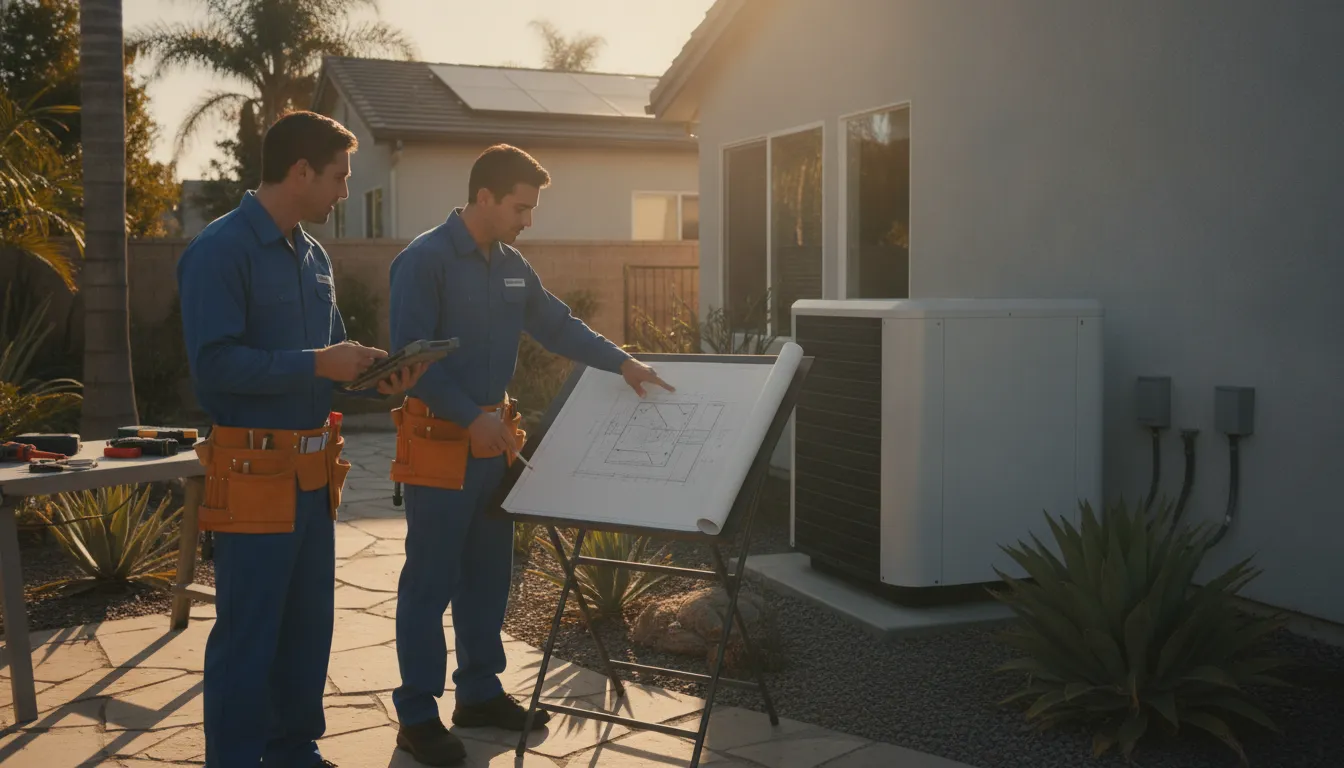
An aging HVAC system does not always need immediate replacement. Rising utility bills, uneven temperatures, frequent repairs, and declining comfort can signal that targeted improvements or a full upgrade deserve a closer look.
Call Airteks at (510) 719-0621 to schedule your HVAC energy efficiency retrofit assessment today.
An hvac energy efficiency retrofit california project can combine better sizing, duct sealing, smart controls, maintenance, or high-efficiency equipment to reduce wasted energy and improve comfort. California's Title 24 Energy Code also applies to many alterations and new equipment installations, so the right approach should account for both performance and compliance.
The best decision depends on your system's condition, operating costs, building needs, and future plans. A professional assessment can reveal whether repairs, controls, duct improvements, or a heat pump would deliver the strongest return. For a broader look at smart HVAC controls and Pelican Wireless guidance, start there before comparing retrofit options and upgrade timing.
What Is an HVAC Energy Efficiency Retrofit in California?
An HVAC energy efficiency retrofit is a planned upgrade to an existing heating and cooling system. Instead of treating one failing component in isolation, the process evaluates how equipment, controls, ductwork, and airflow work together. The goal is to reduce wasted energy, improve comfort, and extend dependable operation without assuming that every property needs a complete replacement.
A retrofit may include replacing outdated air conditioning or heating equipment with a more efficient model. It can also involve installing smarter controls, correcting airflow problems, sealing and insulating ducts, and adjusting the system to match the building's actual heating and cooling needs. In some properties, targeted duct or control improvements deliver meaningful gains. In others, the equipment is too old or inefficient for smaller changes to provide lasting value. A professional assessment helps separate those cases.
California projects must also account for the state's Title 24 Energy Code. The California Energy Commission explains that HVAC requirements apply to new construction, additions, and alterations to existing buildings. Alterations to existing single-family homes, including work performed with an addition, must meet applicable code requirements. There are specific situations where existing equipment extended to serve an addition may be exempt from current Part 6 standards. But the capacity still has to meet minimum residential requirements. Review California's HVAC Energy Code guidance before approving a retrofit scope.
How efficiency ratings guide equipment choices
Two ratings commonly appear in a retrofit recommendation. SEER, or Seasonal Energy Efficiency Ratio, measures air conditioning efficiency. A higher SEER rating indicates more efficient cooling operation under seasonal conditions. AFUE, or Annual Fuel Utilization Efficiency, measures how effectively a gas furnace converts fuel into heat. These ratings make it easier to compare equipment, but they are only part of the decision. Proper sizing, duct condition, installation quality, and control strategy also affect real-world performance.
For a broader look at connected controls and energy-saving system design, see Airteks' smart HVAC controls and Pelican Wireless guide. A well-designed retrofit combines the right equipment with the building conditions, California code requirements, and the way occupants actually use the space.
Signs Your Current System Is Due for an Efficiency Upgrade
An aging HVAC system does not always fail without warning. Often, it signals declining efficiency through comfort problems, operating changes, and a growing need for service. If several signs appear together, an upgrade assessment may make more sense than another isolated repair.
- The equipment is more than 15 to 20 years old. Older HVAC units are often less efficient than modern models, especially when compared with current equipment designed for improved cooling and heating performance. Age alone does not determine the right decision, but it is an important reason to evaluate replacement options before an emergency occurs.
- Repairs are becoming frequent. Repeated minor repairs can add up quickly and may indicate that the system is reaching the end of its practical service life. If the same equipment needs attention several times a year, compare the ongoing repair cost with a planned retrofit and its expected operating benefits.
- Energy bills keep rising without a clear usage change. A decline in system efficiency can increase heating and cooling costs even when your schedule stays the same. A higher-efficiency replacement may reduce long-term operating costs, although savings depend on equipment selection, building conditions, and usage.
- Some rooms are too hot or too cold. Uneven temperatures can point to improper sizing, airflow restrictions, or distribution problems. An oversized unit may cycle on and off too frequently, reducing efficiency and comfort instead of conditioning the building consistently.
- Ducts leak, rattle, or leave rooms underconditioned. Leaky ducts can account for up to 30 percent of an HVAC system's energy consumption. Sealing and insulating accessible ductwork may be a targeted retrofit, while severely damaged ducts may require broader repair or replacement.
- The equipment is unusually loud. Increasing vibration, rattling, grinding, or frequent starts can signal aging components or airflow stress. Newer systems often operate more quietly, so persistent noise can affect both comfort and the case for upgrading.
Start with an energy audit, not a guess
A professional HVAC energy audit can identify where energy is being wasted before you commit to equipment replacement. The evaluation may examine system sizing, airflow, duct leakage, controls, insulation, and equipment condition. That information helps separate a problem that needs a focused repair from one that warrants a complete retrofit.
For California property owners considering an HVAC energy efficiency retrofit in California, an audit creates a practical upgrade plan. It can also help prioritize improvements, so you address the biggest sources of waste first.
Which Retrofit Upgrades Give the Best ROI in California?
The best return from an HVAC energy efficiency retrofit in California depends on the condition of the equipment, ductwork, and controls. A professional assessment should rank improvements by expected energy savings, comfort gains, useful life, and installation cost. Replacing equipment is not always the first move. In some homes, duct repairs or better controls deliver meaningful results at a lower upfront cost.
| Upgrade | Typical benefit | When it pays off |
|---|---|---|
| Heat pump. | Efficient heating and cooling in one system, with modern technology suited to California climate zones. | When replacing aging equipment or combining separate heating and cooling systems. |
| Higher-efficiency air conditioner. | Moving from 8 SEER to 16 SEER can significantly reduce cooling costs for many homeowners. | When an older air conditioner runs often, needs repairs, or has high summer operating costs. |
| Duct sealing and insulation. | Reduces conditioned-air loss and improves delivery to rooms. | When ducts run through hot, unconditioned areas or rooms have uneven comfort. |
| Smart thermostat. | Adjusts heating and cooling around daily schedules and occupancy patterns. | When the system works properly but operates during empty or lightly used periods. |
| Zoning. | Controls temperatures independently and avoids conditioning unoccupied areas. | When a home has multiple levels, distinct comfort zones, or recurring hot and cold spots. |
Start with the largest source of waste
Heat pumps are often a strong whole-system upgrade because one piece of equipment can provide both heating and cooling. Heat pump technology has advanced significantly, making it effective across California's diverse climate zones. Compare operating goals, electrical capacity, comfort preferences, and existing ductwork before choosing a heat pump. This heat pump versus gas furnace comparison can help clarify the tradeoffs.
If the air conditioner still has useful life, compare its SEER rating with a modern replacement. SEER measures seasonal cooling efficiency. Replacing an outdated 8 SEER unit with a 16 SEER model can significantly cut cooling costs for many California homeowners. The actual payback varies with usage, rates, sizing, and installation conditions. Review equipment costs and installation factors in this Northern California HVAC cost guide before making a decision.
Do not overlook lower-cost improvements
Duct sealing and insulation can be especially valuable when ducts leak into attics, crawlspaces, or other unconditioned areas. Leaky ducts may account for up to 30 percent of an HVAC system's energy consumption. Sealing the distribution system first can prevent a new unit from losing efficiency before conditioned air reaches the rooms.
Smart thermostats and zoning refine how the system operates. A smart thermostat can follow schedules, while zoning limits conditioning in unused areas. See this guide to smart thermostat savings in California. The right sequence comes from measuring actual waste, not automatically choosing the most expensive equipment.
California Programs That Help Fund HVAC Retrofits
Upgrading an aging HVAC system can require a meaningful upfront investment, but California homeowners and businesses may have ways to reduce the net cost. Utility companies, local agencies, and state programs periodically offer rebates or incentives for qualifying efficiency improvements. Availability, equipment requirements, income limits, and application deadlines vary, so confirm current terms before choosing a system or signing an installation agreement.
Replacing an outdated system remains one of the most effective ways to lower household energy bills over the long term. New equipment can use energy more efficiently than an older unit, especially when the replacement is correctly sized and matched with appropriate ductwork and controls. The potential savings depend on the existing system, operating patterns, building envelope, and local utility rates. A rebate can improve the project economics, but it should support a sound retrofit plan rather than drive the equipment selection.
Which California incentives may apply?
Start by checking your electric or gas utility's current efficiency offerings. Programs may support high-efficiency air conditioners, heat pumps, controls, duct improvements, or other measures. Some incentives are designed for broad participation, while others focus on income-qualified households, climate zones, fuel switching, or commercial properties. Documentation may include model numbers, efficiency ratings, contractor information, permits, and proof of purchase.
Airteks can help customers identify the questions that matter before work begins. A qualified contractor can assist with navigating local rebates and incentives, making an HVAC efficiency retrofit more financially accessible. That assistance may include reviewing eligible equipment, coordinating required installation details, and clarifying which paperwork the customer must submit. It does not replace confirming program rules with the utility or administering agency.
For an updated starting point, review Airteks' California HVAC rebates and tax credits guide. Then compare the expected incentive with the full project cost, including electrical work, duct repairs, permits, and controls where applicable. A professional evaluation can help determine whether replacement, targeted repairs, or a phased retrofit offers the strongest value for your property.
How Airteks Approaches Energy Efficiency Retrofits
A successful retrofit starts with understanding the building, not selling the biggest available system. Airteks begins with an energy assessment of the existing HVAC equipment, ductwork, controls, comfort concerns, and operating patterns. That process helps identify where energy is being wasted and which improvements are worth recommending. The goal is a practical plan for the property, whether it is a Bay Area home, a commercial facility, or another building in Northern California.
System sizing is a central part of that assessment. An oversized unit can cycle too frequently, reducing efficiency and comfort. Airteks evaluates the building's needs before recommending equipment, rather than assuming replacement should match the old system. Depending on the property, the right solution may include a high-efficiency furnace, air conditioner, heat pump, duct improvements, or controls. Airteks provides residential HVAC services and commercial HVAC services, allowing one contractor to coordinate the retrofit from evaluation through installation.
Equipment and compliance verification
Equipment quality matters as much as efficiency ratings. Airteks recommends verifying that new equipment is AHRI-certified, which helps confirm that the system meets recognized performance and efficiency standards. The team also considers applicable California requirements. HVAC alterations may require Title 24 compliance verification, so the installation should be reviewed against current energy standards rather than treated as a simple equipment swap. This attention to documentation and compliance protects the investment and supports dependable operation.
Throughout the process, Airteks emphasizes honest recommendations and quality workmanship. That means explaining available options, identifying limitations, and avoiding upgrades that do not fit the property's needs. A retrofit should improve comfort and operating performance without creating unnecessary complexity.
Keeping efficiency gains on track
Installation is not the final step. Scheduled maintenance and system checks help preserve efficiency over the life of the equipment. Filters, coils, airflow, controls, and operating performance can all affect the results achieved by a retrofit. For questions about a residential or commercial upgrade, reach Airteks directly for guidance on an assessment and next steps.
Call Airteks at (510) 719-0621 to schedule your next maintenance check or retrofit assessment.
Frequently Asked Questions
What does an HVAC retrofit mean?
An HVAC retrofit upgrades or optimizes an existing heating and cooling system instead of replacing every component at once. It may include duct sealing, insulation, controls, thermostat upgrades, better sizing, or new equipment.
Does California have rebates for energy-efficient HVAC systems?
Rebates and incentives may be available through utilities, local programs, or state initiatives, but eligibility depends on the equipment, property, location, and installation date. A qualified contractor can help identify applicable programs before work begins.
Are 80 percent efficiency furnaces being phased out?
Rules affecting furnace installations can depend on current federal, state, and local requirements, as well as the project type. Before replacing an older furnace, ask your contractor to confirm the applicable requirements and whether a heat pump or another option better fits the property.
Will there be an HVAC tax credit in 2026?
Tax-credit availability and eligibility can change with legislation and federal guidance. Confirm current requirements with the IRS or a qualified tax professional, then have your contractor verify that the proposed equipment meets the program's technical criteria.
What are the benefits of an HVAC energy efficiency retrofit?
A well-planned retrofit can lower energy use, improve comfort, reduce repair needs, and extend equipment life. The best starting point is an energy audit, which identifies wasted energy and helps prioritize upgrades instead of relying on guesswork.
Schedule Your HVAC Retrofit Assessment
An assessment can help identify practical upgrades for your home or business, from equipment changes to controls and duct improvements. Airteks provides straightforward recommendations based on your system and goals. To schedule an HVAC energy efficiency retrofit assessment, reach out to Airteks and discuss your property, current HVAC concerns, and the next steps with a knowledgeable team serving customers across Northern California.
Call Airteks at (510) 719-0621 today to book your HVAC energy efficiency retrofit assessment.
Comments