
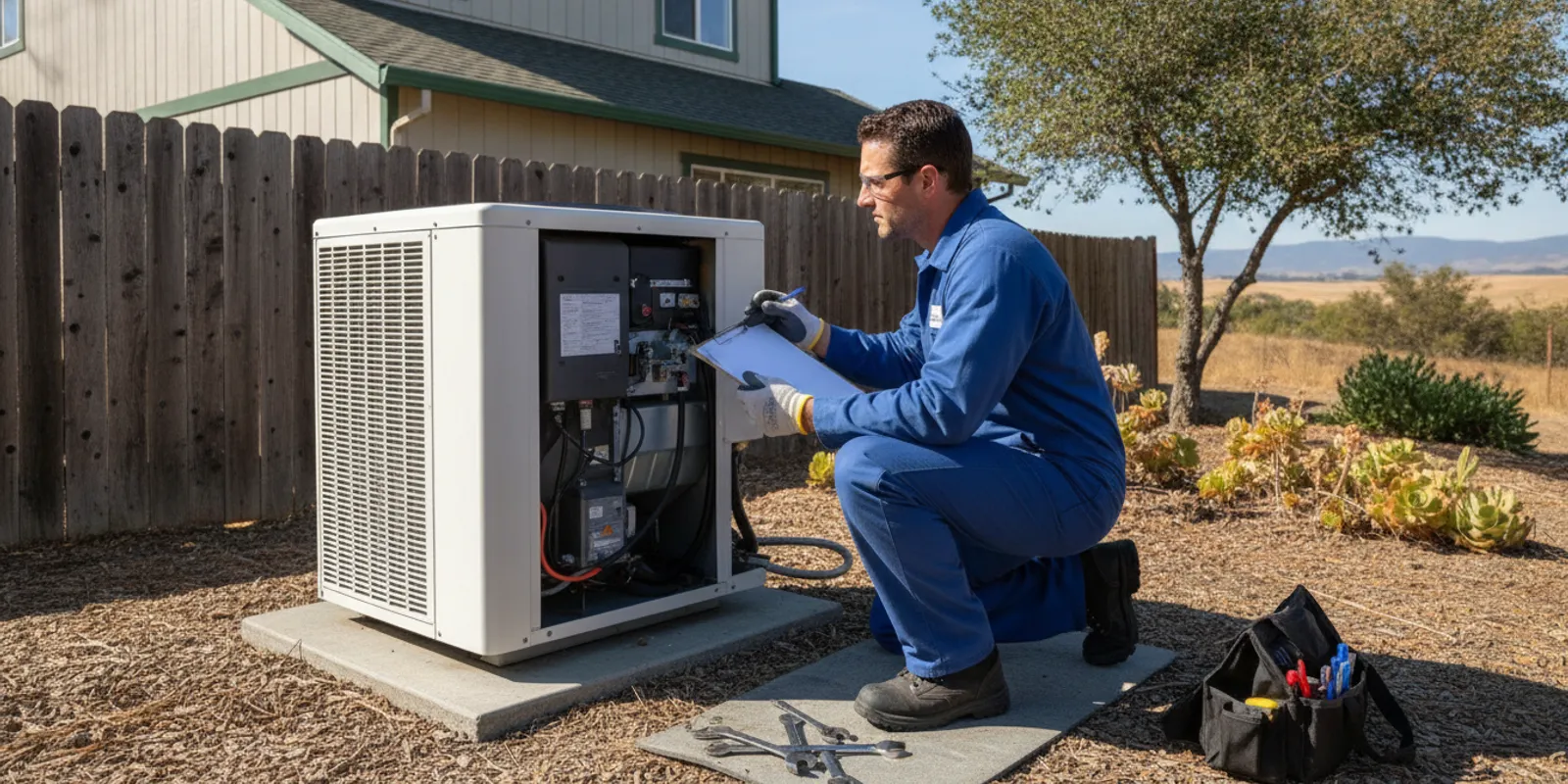
If you are asking how much to replace ac unit, start with a written scope instead of a number copied from the internet. Two homes can pick similar equipment and still need different electrical work, line sets, pads, drains, or duct fixes. Airteks checks those details on site for homes across the Bay Area, Central Valley, and Sacramento area, including Livermore, Pleasanton, and Walnut Creek.
Call Airteks at (510) 719-0621
This guide stays on the quote itself. It explains which equipment and installation items change the work, what a complete estimate should list, and how to compare repair with replacement. It does not publish a standard price table, because a fair total depends on the home. For planning steps beyond the estimate, see the air conditioner replacement guide.
How much to replace ac unit work depends on the scope
Replacing an air conditioner is not always a swap of one outdoor box. The quote may add an indoor coil or air handler, new refrigerant lines, electrical updates, a pad, a drain, duct fixes, controls, permits, and startup testing. Which items apply depends on the old system and the equipment you choose.
Even the same model can require different labor. A unit with clear access is not the same job as equipment on a narrow side yard, a roof, or a hard-to-reach pad. A system that matches existing connections may need less modification than one that needs new wiring or a new line set. A useful quote shows those differences instead of hiding them in one total.
Online averages can only be a starting point. They cannot confirm system size, duct condition, local requirements, or the work at your property. Ask for a site-specific estimate before you set a budget. If the concern is uneven rooms rather than the outdoor unit alone, a technician should say whether airflow is part of the scope.
Which equipment choices change how much to replace ac unit quotes
Equipment is only one part of the project. The cheapest listed model is not always the right match. The contractor should pair the outdoor unit with the home and with the indoor parts it will run with. A mismatch can hurt comfort and can also affect whether older parts should stay.
- System capacity: Cooling capacity should follow the home's needs, not only the size printed on the old unit. Ask how the home was evaluated and why the proposed capacity fits.
- System configuration: A split central system, packaged equipment, or another layout has different parts and installation needs. The quote should name the type being proposed.
- Efficiency and features: Higher-efficiency equipment or added controls can change the upfront scope. Compare model numbers, efficiency information, and included parts, not labels alone.
- Indoor and outdoor match: The outdoor condenser usually works as part of a matched system. Replacing only one piece is not suitable every time. Ask about compatibility, condition, and warranty effects.
- Warranty terms: Equipment and labor coverage can differ. Get the terms in writing, including length, what is covered, and any registration or maintenance steps.
It is easy to focus on the outdoor unit because that is the part you see in the yard. The indoor coil, blower, thermostat, and duct system also shape how the replacement runs. A complete estimate should say what will be replaced, what will remain, and why that choice fits.
If comfort problems are part of the visit, ask whether the quote covers airflow and distribution, not only new equipment. Airteks offers HVAC maintenance and residential HVAC services. A technician can help separate an equipment issue from a maintenance or distribution issue.
How installation conditions change the replacement total
Labor and site conditions can split two quotes that list similar equipment. A simple changeout is smaller than a job that fixes the electrical supply, refrigerant piping, condensate drain, or equipment location. Those needs should be found during the visit and written into the scope.
Access and removal
The crew needs room to remove the old equipment and set the new components. Tight side yards, stairs, roof access, landscaping, or limited clearance can change the approach. Ask whether removal and disposal are included, and whether the quote assumes any special access.
Refrigerant lines and condensate drainage
The line set carries refrigerant between the indoor and outdoor sections. Some old lines can stay. Others need to be replaced because of size, condition, or the new equipment. Drain routing matters too. Ask what will remain and what would add work.
Electrical and controls
A new system may need a different disconnect, circuit, wiring, or thermostat than the old one. The visit should note whether the old electrical gear and controls are still suitable. If an update is proposed, ask what problem it solves and whether it is included or listed as an allowance.
Ductwork and air delivery
New cooling equipment does not automatically fix leaky, restricted, or poorly balanced ducts. If rooms stay warm or airflow feels weak, ask whether the ducts were inspected and whether any duct work is priced. A quote that assumes the existing ducts are adequate should say so. Related reading on an AC that is not blowing cold air and AC repair in Livermore can help you describe symptoms, while ductwork replacement cost factors cover a separate duct project.
Also ask whether the price includes startup, testing, cleanup, and a walkthrough of the new controls. Those steps show that the equipment was installed and checked as quoted. If exclusions remain, such as concealed duct repairs or electrical work found after opening the job, ask how that added work will be approved and priced before it proceeds.
What an AC replacement estimate should list
A useful estimate lets you compare the same work from more than one contractor. It should name the equipment and the installation scope in plain language. If a proposal offers only a model name or a bottom-line total, ask for a clearer breakdown before you decide.
- Manufacturer, model numbers, type, and capacity for the outdoor and indoor equipment.
- Which existing parts will be removed, replaced, reused, or modified, and why any part stays.
- Labor tasks, including line set, electrical, drain, pad, duct, thermostat, or control work when those apply.
- Whether permits, inspections, disposal, startup, and testing are included or excluded.
- Warranty details and any conditions the owner must meet.
- Assumptions, exclusions, allowances, and how a change in conditions will be handled.
- The payment schedule and how scope changes get approved.
Ask the contractor to separate equipment choices from installation scope when that is practical. That makes it easier to see whether a lower proposal left out work another contractor included. It also records what you agreed to if conditions change.
Airteks also handles AC repair assessments in the Bay Area. If the visit is for a repair rather than a full replacement, compare the diagnosis with the proposed work. A low repair price is not a fair comparison when it does not address the cause. Homeowners in Sacramento can start with the local HVAC services in Sacramento page, and Pleasanton readers can use HVAC services in Pleasanton.
How to compare AC replacement quotes without a price table
Put the proposals next to each other and compare included work, not only the totals. If one quote includes a new indoor coil and startup testing while another keeps the old coil and skips testing, they are not the same job. Ask each contractor to explain the gaps and revise the scope if needed.
| Quote item | What to compare | Question to ask |
|---|---|---|
| Equipment | Model numbers, capacity, configuration, features, and warranty | Are the indoor and outdoor parts meant to work together? |
| Installation labor | Removal, placement, line set, electrical, drain, and controls | Which tasks are included, and what site conditions could change them? |
| Duct and airflow | Inspection findings, repairs, and assumptions about existing ducts | Were comfort concerns checked, and is any duct work priced? |
| Permits and closeout | Permit handling, inspection, startup, testing, and cleanup | Are these included, and what will I receive at the end? |
| Exclusions and changes | Allowances, concealed conditions, and the change process | Will I approve added work and its price before it is done? |
Do not assume the longest or highest proposal is automatically best, or that the lowest is a bargain. Look for a clear assessment, suitable equipment, a complete scope, and direct answers. A contractor should explain options without pushing an upgrade that does not fit the home.
Keep copies of each proposal and note anything a contractor says is not included. If a quote is revised, make sure the new version replaces the old one and describes the agreed scope. Written clarity is more useful than a verbal promise about what the installation will cover. For a broader look at quote habits, the page on what an HVAC quote in Northern California should include covers the intake process for other system types.
When repair still belongs next to a replacement quote
Replacement is not automatic every time an air conditioner needs service. Start with a diagnosis. A repair can make sense when the fault is limited, the rest of the system still runs as expected, and the work brings cooling back. Look harder at replacement when the problem keeps coming back, a major part has failed, parts are hard to match, or the system no longer fits the home.
Compare the repair estimate with a replacement proposal that explains equipment and installation scope. Consider the immediate work, the system's condition, likely future service, comfort, and how long you expect to stay in the home. Skip any single repair-versus-replace rule. The right choice follows the diagnosis and your priorities, not a slogan.
Before you decide, ask these questions:
- What failed, and what evidence supports that diagnosis?
- Does the repair address the cause, or only one symptom?
- Are there other known concerns with the system or its supporting parts?
- What does a replacement proposal include that the repair does not?
- Can the contractor explain tradeoffs without promising a bill amount or a lifespan?
If cooling has stopped, common air conditioner problems in the Bay Area and the guide to an AC tune-up versus full service can help you describe symptoms. They do not replace an on-site diagnosis. The page on signs an AC needs repair versus replacement is the place for that decision, not this quote guide.
What maintenance can and cannot change before replacement
Routine care can reveal problems before they are harder to sort out. It cannot promise the equipment will never fail, and it does not remove the need to replace it later. Keep the area around the outdoor unit clear, notice new noises or comfort changes, and follow the filter guidance for your system. If something looks unsafe, turn the system off and call for service. Do not open the equipment or try electrical or refrigerant work yourself.
The U.S. Department of Energy says regularly cleaning or replacing cooling-unit filters can save energy on home cooling. Its Home Cooling 101 guide is a short homeowner reference. Filter type and timing vary, so check the equipment instructions or ask a qualified HVAC professional what fits your system.
A maintenance visit can also create a record of system condition and flag items that need attention. Airteks provides preventive HVAC maintenance for homes in Northern California, including Alameda, Contra Costa, San Joaquin, Santa Clara, and Napa counties. If a technician recommends replacement, ask which findings support that recommendation and whether repair is still reasonable. For urgent cooling failures, Airteks offers 24/7 emergency availability.
Call Airteks at (510) 719-0621
Frequently Asked Questions
Does replacing only the outdoor AC unit involve less work?
It may involve fewer components, but it is not suitable for every system. The indoor coil and outdoor equipment need to be compatible, and the condition and warranty of the existing parts matter. Ask whether a partial replacement is appropriate, then compare it with a matched-system proposal.
Do I need new ducts when I replace an air conditioner?
Not always. Duct changes depend on condition, design, airflow, and what the new system needs. If the home has uneven temperatures, weak airflow, or known duct problems, ask for an inspection and a written reason for any duct work. New equipment alone may not correct a duct issue.
Can I get an accurate AC replacement quote online?
An online conversation can identify likely cost factors, but it cannot verify equipment, access, electrical conditions, ducts, or installation needs. A site visit is the better basis for an estimate. Share model information and any comfort problems when you schedule it.
What should I gather before an AC replacement estimate?
Bring the approximate age of the system if you know it, model numbers, recent repair history, and a note about rooms that do not cool well. Mention where the indoor and outdoor equipment sits and whether access is tight. You do not need to diagnose the problem yourself.
Will the quote include permits and startup testing?
Only if the proposal says so. Ask whether permit handling, inspection coordination, disposal of the old equipment, startup, and testing are included, excluded, or priced as allowances. Those closeout items are part of comparing complete scopes.
Request a written AC replacement scope
The clearest next step is a quote based on your equipment, home, and installation conditions. Ask for a written proposal that names the system, lists included work and exclusions, and leaves room to compare repair with replacement. Airteks provides heating and cooling service across Northern California, including the Bay Area, Central Valley, and Sacramento region, and can walk through the scope for your home.
Comments