
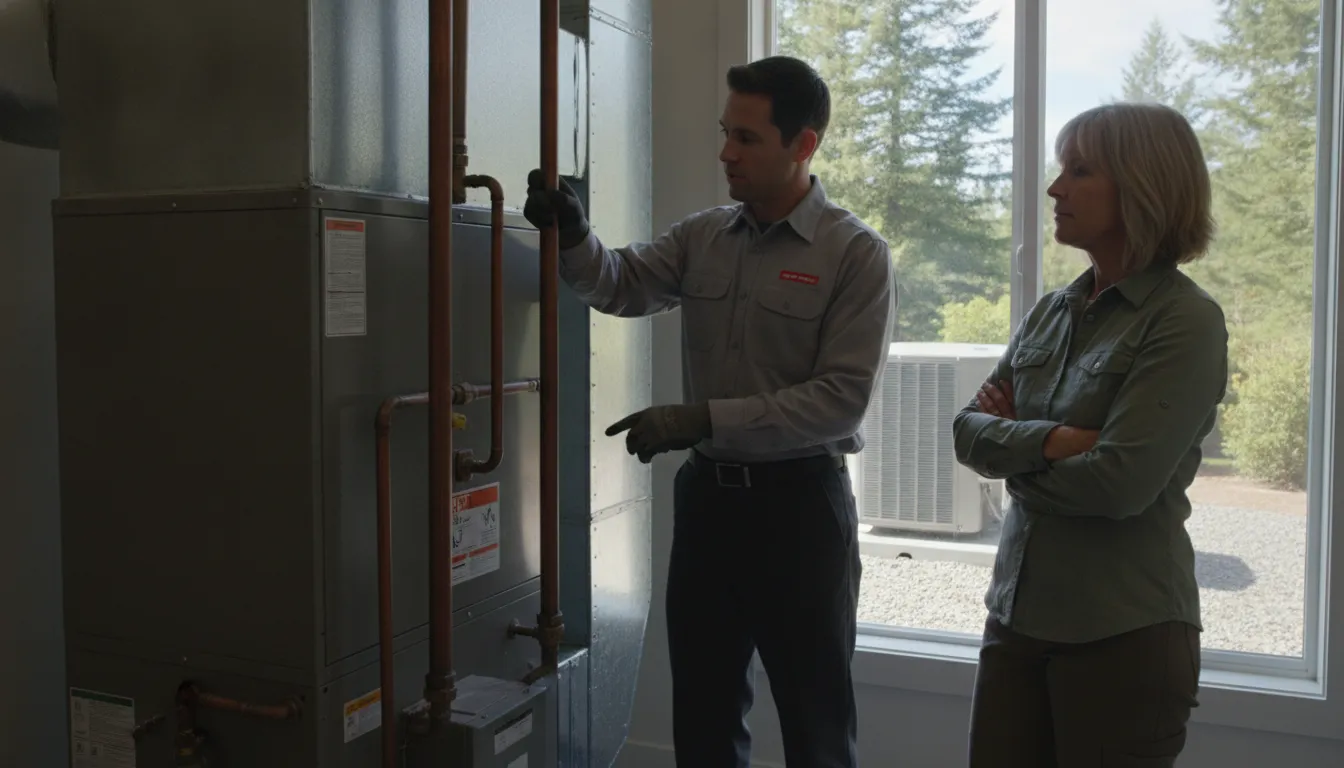
Airteks provides practical guidance for homeowners planning HVAC service in California.
Replacing an HVAC system is rarely a decision that should wait for a complete breakdown. Age, repair history, comfort, energy use, safety, and California operating conditions all matter.
Call Airteks at (925) 292-0148 for an evaluation.
For homeowners researching hvac system lifespan when to replace california, the practical answer is to use age as a planning signal, not an automatic deadline. ENERGY STAR recommends considering replacement for air conditioners and heat pumps over 10 years old, and furnaces over 15 years old. Those milestones are starting points for an evaluation.
Airteks can help determine whether a problem comes from aging equipment, ductwork, insulation, airflow, controls, or another repairable cause. For a broader look at repair, emergency service, and replacement decisions, read the HVAC costs and replacement guide.
How Long Does an Air Conditioner Last in California?
Airteks recommends evaluating an air conditioner for replacement after about 10 years, especially when repairs recur, comfort declines, or operating costs rise. Age alone is not a diagnosis. A technician should also check sizing, airflow, refrigerant, electrical components, ductwork, insulation, and installation quality before recommending replacement.
An air conditioner's useful life depends on more than the number on its installation sticker. A well-installed, maintained system may remain useful beyond a typical planning milestone. A system that has worked under heavy loads, received inconsistent maintenance, or suffered from airflow problems may need attention sooner.
ENERGY STAR recommends considering replacement when a heat pump or air conditioner is more than 10 years old. That guidance does not mean every 10-year-old unit must be removed immediately. It means age should become part of the decision, particularly when reliability, comfort, or operating costs are also declining.
What affects an AC system's service life?
- Heat and runtime: Air conditioners in the Central Valley and Sacramento may run hard through long, hot summers. More operating hours can increase wear on compressors, motors, electrical parts, and fans.
- Installation quality: Incorrect sizing, restricted airflow, poor refrigerant charging, or weak duct connections can make equipment work harder than intended.
- Maintenance: Filter changes, coil care, airflow checks, and professional inspections help identify problems before they become major failures.
- Coastal exposure: Salt air near the Bay Area can contribute to corrosion of outdoor components. It is a possible risk factor, not a guarantee that a system will fail early.
- Repair history: One isolated repair does not automatically justify replacement. Several significant repairs in a short period deserve a broader evaluation.
Diagnosis matters because an aging system can show symptoms that also come from repairable problems. Uneven temperatures may result from duct issues, inadequate insulation, or equipment operation rather than a failed air conditioner. Strange noises can also relate to undersized ducts or an indoor-coil problem.
Check the filter, thermostat, airflow, and visible duct connections. Arrange a professional inspection when the cause is not clear, when the system stops cooling, or when a repair involves a major component.
How Long Does a Furnace Last in California?
Airteks recommends entering a furnace replacement-planning conversation after about 15 years, or sooner when safety concerns, repeated repairs, poor comfort, and rising operating costs appear together. Fifteen years is an evaluation milestone, not an automatic replacement order. A professional inspection should confirm the cause of any problem.
A furnace can remain dependable for many years, but age alone does not determine whether replacement is right. Installation quality, maintenance, operating conditions, repair history, safety, and current efficiency all matter.
Age is a planning signal, not an automatic order
ENERGY STAR advises homeowners to consider replacing a furnace or boiler that is more than 15 years old. It also notes that an ENERGY STAR qualified furnace can be 15 percent more efficient than a conventional furnace. These points provide useful planning context, but they do not promise a specific savings amount for every home.
Safety should take priority when a furnace has combustion-related concerns, unusual operation, or signs of damage. A professional should inspect the system rather than relying on age or a single symptom. Frequent repairs combined with rising energy bills can indicate declining efficiency, but weather and utility rates affect bills too. Review ENERGY STAR replacement guidance alongside a system-specific evaluation.
- Repair history: Repeated breakdowns, unavailable parts, or a pattern of expensive repairs may make replacement more practical.
- Efficiency: Compare current operating costs and comfort with what the furnace delivered when it was working properly.
- Comfort: Uneven temperatures may result from equipment operation, duct problems, or inadequate insulation.
- Maintenance: Regular service and timely filter changes support reliable operation.
Q: Does a 15-year-old furnace have to be replaced?
A: No. Fifteen years is a reasonable point to plan an assessment, not an automatic deadline. If age is paired with repeated repairs, poor comfort, declining efficiency, or safety concerns, replacement deserves closer consideration.
Understanding HVAC System Lifespan When to Replace California Equipment
Airteks recommends weighing age, repair cost, comfort, energy performance, safety, and local operating conditions together when deciding whether to replace HVAC equipment in California. The 50 percent rule is a practical comparison point, not a law or guarantee. Get an inspection before treating uneven airflow or noise as proof of equipment failure.
Age is a useful starting point, but it should not be the only reason to replace heating or cooling equipment. A sound decision considers repair history, comfort, operating costs, climate exposure, and whether the system can still serve the home reliably.
Use the 50 percent rule as a decision aid
The commonly used 50 percent repair-cost rule can make a difficult decision easier. If one repair would cost about half as much as a comparable replacement, replacement deserves serious consideration. This is a practical comparison point, not California law, an industry guarantee, or a precise formula.
Compare the repair with the equipment's age, recent repair history, expected remaining service, comfort, and efficiency. A smaller repair on a younger system may be sensible. A major repair on older equipment with repeated failures may be a reason to plan replacement before the next emergency.
Separate equipment problems from home-performance problems
Uneven temperatures do not automatically mean the equipment is at the end of its life. Duct problems, inadequate insulation, blocked registers, thermostat issues, or improper equipment operation may be repairable. Airteks can assess the full system instead of treating one symptom as proof that replacement is required.
Correctly installed high-efficiency equipment can save up to 20 percent on heating and cooling costs, according to ENERGY STAR guidance. Actual results depend on the home, equipment, controls, ductwork, installation, and usage. Review options for improving HVAC energy efficiency alongside replacement choices.
Call Airteks at (925) 292-0148 for honest repair-or-replacement guidance.
| What you observe | Reasonable next step |
|---|---|
| Isolated repair on otherwise reliable equipment | Compare the repair with the system's condition and expected future service. |
| Older equipment with recurring repairs and rising bills | Plan a replacement evaluation before the next major failure. |
| Uneven temperatures or unusual noise | Test ducts, airflow, insulation, coils, and controls before replacing equipment. |
- Repair may make sense: The system is younger, the repair is isolated, and comfort and efficiency remain acceptable.
- Plan for replacement: The equipment is older, repairs are recurring, bills are rising, and reliability is becoming difficult to predict.
- Get an inspection first: The main complaint is uneven airflow, noise, or temperature.
Warning Signs Your HVAC Is Near the End of Its Service Life
Airteks says replacement becomes more reasonable when an older system has repeated repairs, rising operating costs, unresolved comfort problems, and declining reliability. A single noisy cycle or uneven room does not prove the equipment has reached the end of its life. A filter, duct, insulation, control, or airflow issue may be the actual cause.
A single symptom does not automatically mean your equipment needs replacement. A dirty filter, failed thermostat, blocked register, leaky duct, or inadequate insulation can create comfort and performance problems while the main equipment remains repairable.
Look for patterns, not one isolated symptom
Schedule a professional evaluation when you notice a combination of the following:
- Frequent repair calls: Repeated component failures can make an aging system less predictable.
- Rising energy bills: Increasing heating or cooling costs can indicate declining efficiency. Weather and utility rates also affect bills.
- Persistent room-to-room temperature differences: Hot or cold rooms can result from improper operation, duct problems, or inadequate insulation.
- New or worsening noise: Rattling, whistling, grinding, or unusually loud operation deserves attention. Noise can relate to undersized ducts or an indoor-coil problem.
- Dust or air-quality concerns: Leaky ductwork can draw particles from attics, crawl spaces, or basements and distribute them through the home.
Start with simple causes. Replace an overdue filter, confirm the thermostat works, and check that supply and return vents are open. Ask a technician to evaluate ducts, insulation, refrigerant, electrical components, and airflow.
Replacement becomes a stronger consideration when the system has a long repair history, cannot maintain comfort after airflow issues are corrected, and continues to operate inefficiently. Age adds context, but it is not a diagnosis by itself.
Planning HVAC System Lifespan When to Replace California Homes
Airteks recommends planning an HVAC replacement budget before a breakdown by comparing the full installation scope, not just the equipment price. Ask about sizing, ductwork, controls, permits, removal, startup testing, warranties, and maintenance. Comparing complete proposals while the existing system still works gives you more time to decide.
Replacement planning is easier when it starts with an evaluation rather than an emergency. A technician can assess the existing equipment, ductwork, thermostat, electrical connections, and comfort problems. That information gives you a clearer basis for comparing repair, replacement, and efficiency-upgrade decisions.
What a useful replacement evaluation should cover
A complete review should look beyond the age of the outdoor unit or furnace. Equipment must be sized for the home and matched to the duct system. The evaluation should also consider insulation, airflow, ventilation needs, electrical requirements, refrigerant or fuel setup, and connected components.
Ask for efficiency ratings, scope of work, installation requirements, warranty terms, and expected maintenance needs. A quote should make clear whether it includes permits, duct modifications, startup testing, thermostat setup, removal of old equipment, and follow-up service.
- Plan before failure: Evaluate options while the current system is still operating.
- Compare the full scope: Review equipment, sizing, ductwork, installation, controls, maintenance, and warranty support together.
- Record the details: Keep repair dates, component replacements, comfort complaints, and maintenance records in one place.
- Arrange an evaluation while the current system is still operating.
- Compare equipment, sizing, ductwork, installation, controls, and warranty terms in each proposal.
- Plan maintenance and follow-up service as part of ownership.
Airteks provides one-stop HVAC evaluation, repair, maintenance, system design, installation, and replacement support across the Bay Area, Central Valley, and Sacramento areas. Homeowners can review what a complete HVAC quote should include before requesting proposals. If a heat pump may fit the home, review heat pump replacement considerations as part of the comparison.
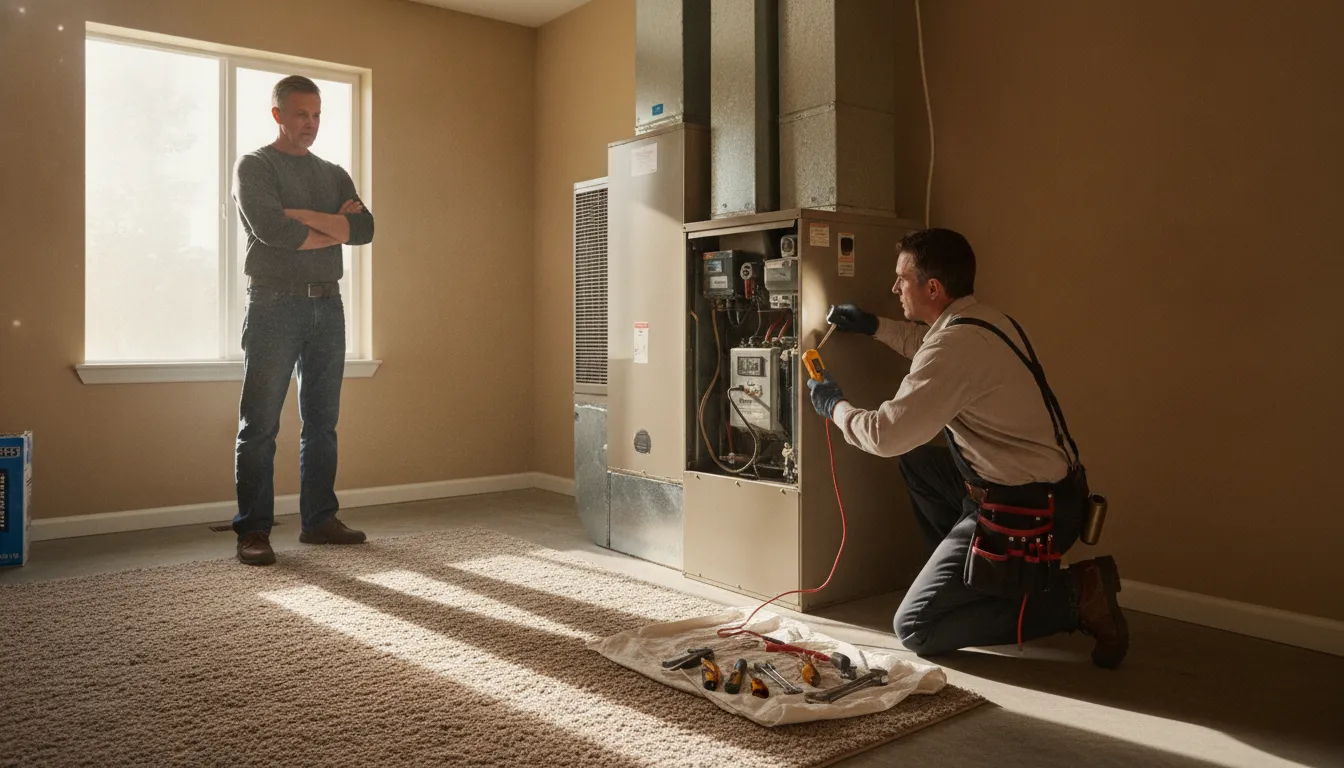
How California Climate Affects HVAC Service Life
Airteks explains that California climate affects HVAC workload but does not set one guaranteed replacement date. Central Valley and Sacramento systems may run hard during hot summers, while coastal equipment can face salt-air exposure. Filter changes, airflow checks, and professional maintenance help distinguish normal wear from repairable problems.
California does not have one uniform HVAC operating environment. A system serving a coastal Bay Area home may face different stresses than one cooling a property in the Central Valley or Sacramento. Climate does not determine a fixed replacement date, but it can affect how hard equipment works.
In Bay Area and coastal locations, mild weather may reduce extreme seasonal demand. Damp conditions and salt-laden air near the coast can contribute to corrosion of exposed components. Central Valley homes may need substantial cooling during hot weather. Sacramento properties can experience strong summer cooling demand and meaningful winter heating use.
A practical maintenance routine for California homes
Regular maintenance and filter changes support responsible heating and cooling operation. A maintenance visit cannot reverse normal wear, but it can help preserve airflow, identify developing faults, and separate an equipment problem from a duct or control problem.
- Replace or clean the air filter on the schedule appropriate for the home and equipment.
- Keep the outdoor unit clear of leaves, vegetation, dust, and other obstructions.
- Schedule professional maintenance at least annually, with spring useful for cooling and fall useful for heating.
- Ask the technician to review refrigerant or combustion concerns, electrical connections, condensate drainage, safety controls, and airflow.
- Investigate uneven temperatures, unusual sounds, or rising energy bills instead of assuming age alone requires replacement.
For more detail on planning regular HVAC system maintenance, consider both the calendar and the system's symptoms. A clear record of repairs and condition gives you better evidence for deciding whether continued service is sensible.
Airteks' Northern California residential HVAC guide provides additional education for homeowners comparing system care, repair, and replacement decisions.
Airteks also offers residential heating support, including diagnostics, repair, installation, and replacement. Review residential heating services when a furnace or heat pump needs professional attention. You can also explore the full range of residential HVAC services available through Airteks.
Call Airteks at (925) 292-0148 before an aging HVAC problem becomes an emergency.
Frequently Asked Questions
What is the average lifespan of an HVAC system in California?
There is no single guaranteed lifespan. Air conditioners and heat pumps over 10 years merit evaluation. Furnaces and boilers merit review after 15 years. ENERGY STAR recommends considering replacement at those milestones, especially when efficiency or reliability is declining.
What are the warning signs that it is time to replace my HVAC system?
Frequent repairs, rising bills, uneven temperatures, weak airflow, and persistent noise are warning signs. Some problems come from ductwork, insulation, filters, thermostats, or improper operation. A professional diagnosis can separate a repairable issue from an aging system.
How often should I service my HVAC system in California?
Schedule maintenance at least once a year, in spring for cooling and fall for heating. Regular filter changes and professional inspections help protect performance and support useful service life.
Does the climate in California impact HVAC lifespan?
Yes. Runtime, heat exposure, maintenance conditions, and local air quality affect wear. Central Valley and Sacramento systems may work harder during hot summers, while coastal equipment can face salt-air corrosion. Consider these factors alongside age and repair history.
Is it better to repair or replace an old HVAC system?
Repair is often reasonable when the equipment is reliable and the problem is isolated. Replacement deserves closer consideration when repairs recur, energy performance falls, or the system has passed its typical evaluation milestone. Compare repair cost, expected remaining life, comfort, efficiency, and parts availability.
Schedule Your HVAC Evaluation
When your system is aging or repairs are becoming more frequent, a professional evaluation can clarify whether repair, maintenance, or replacement makes the most sense for your home. Airteks can assess your equipment and explain practical next steps without pressure.
Call Airteks at (925) 292-0148 to discuss your HVAC system, request a recommendation, or get started with a replacement assessment or quote.
Comments